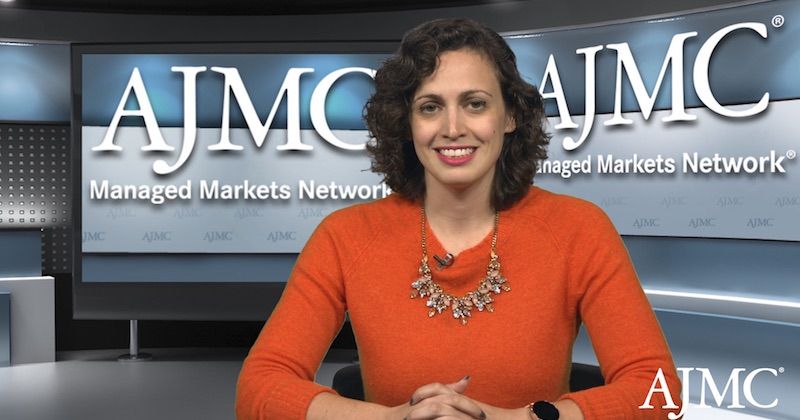

This week, the top managed care stories included Sanofi offering a deal to payers for its cholesterol drug; a “right-to-try” bill is defeated in the House; and a forum of oncology pharmacists discusses “health insurance” versus “healthcare.”

This week, the top managed care stories included Sanofi offering a deal to payers for its cholesterol drug; a “right-to-try” bill is defeated in the House; and a forum of oncology pharmacists discusses “health insurance” versus “healthcare.”

Sanofi–Regeron's offer to cut prices if payers improve access comes on the heels of the FDA Commissioner's critique of the "Kabuki" constructs that harm the sickest patients.

Since 2000, the number of patients undergoing gender-affirming surgery who identified as self-payers decreased. From 2012-2013 to 2014, coverage by Medicare and Medicaid of gender-affirming surgeries increased 3-fold.

Driven by an aging US population and other economic and demographic factors, national health spending is projected to climb to 19.7% of the economy over the next 8 years, up from 17.9% in 2016, according to new estimates released Wednesday from CMS and published online in Health Affairs.

Empagliflozin (Jardiance) and another SGLT2 inhibitor, canagliflozin (Invokana) have been competing aggressively; both have clinical trial results showing cardiovascular benefits.

Researchers were especially concerned about barriers for patients with familial hypercholesterolemia, whose needs would seem clear cut but who nonetheless faced costly hurdles, such as genetic testing.

Coverage of our peer-reviewed research and news reporting in the healthcare and mainstream press.

As oncology practices transition to value-based care, they are challenged to take on more holistic responsibility for their patient. Fortunately, the examples of practices participating in CMS’ Oncology Care Model can offer valuable insight into the most impactful workflow changes providers can implement as they strive to achieve cost and quality improvements.

A chief medical officer for a major payer outlines the challenges making sure that certain high-cost therapies are directed to the patients who need them.

The rate of healthcare spending in the United States slowed down last year to levels previously seen between 2008-2015, driven by much slower growth in spending for retail prescription drugs, as well as hospital care and physician and clinical services. Private payers, Medicaid, and Medicare­ also saw lower rates of spending growth.

Mind-body practices have increased in popularity,but the challenge of variation between teachers and classes has been a barrier to payer reimbursement.

The authors, both members of the Digestive Health Physicians Association, write about efforts in their home state and at the federal level to reform payer restrictions.


The rule has several proposals that may be attractive to insurers in the area of risk adjustment.

Representatives from 3 payers who partnered with providers on the Oncology Care Model (OCM) took the stage at Community Oncology Alliance (COA)’s Payer Exchange Summit on Oncology Payment Reform to outline their experience with OCM and how it has differed from other care models.

The implementation of the Oncology Care Model has brought profound culture changes to how oncologists take care of patients and how they operate practices, explained Lucio Gordan, MD, of Florida Cancer Specialists.

Scaling behavioral change and reducing diabetes at the population level were major themes of the meeting.

The CEO said the changes will finally allow the company to set the inhaled insulin apart from its rivals.

The move to give entrepreneurs access to patient-approved continuous glucose monitoring data fits with the company's prediction that insulin pumps will become a thing of the past, and most of the heavy lifting of delivery will be done by a smartphone.

The growing importance of quality ratings will put pressure on hospitals to meet ADA standards for insulin therapy without added manpower.

Studies presented at the American Diabetes Association Scientific Sessions showed that patients being treated with the ITCA 650 were less likely to need to take additional therapy to control their diabetes.

Patients, payers, and providers all view value in different ways, and they all need to be taken into account in value frameworks, said Ilene Hollin, PhD, MPH, the National Pharmaceutical Council and University of Southern California Schaeffer Center’s Postdoctoral Health Policy Fellow.

Coverage from the 2017 meeting of the American Association of Diabetes Educators.

Jennifer Graff, PharmD, vice president of comparative effectiveness research at the National Pharmaceutical Council, discusses where payers receive their information and how it is used to make decisions about coverage and reimbursement.

By aligning payers to care about population health and social determinants of health, it will help improve the health of the community as a whole, said Michael Griffin, president and CEO of Daughters of Charity Services.

259 Prospect Plains Rd, Bldg H
Cranbury, NJ 08512
© 2025 MJH Life Sciences®
All rights reserved.