



Health Care Delivery
Latest News
Advertisement
Video Series








Latest Videos



Shorts

0:34
Future Challenges in CPFE Research, Treatment: Yet Khor, MD, PhD
a month ago
by
Sabrina McCrear(+1 more)

1:00
The Changing Treatment Landscape in Myeloma: Swarup Kumar, MD
a month ago
by
Swarup Kumar, MD(+1 more)

1:22
Expanding Treatment Access Via Academic-Community Ties: Amandeep Godara, MBBS
a month ago
by
Brooke McCormick(+1 more)

2:05
Bridging Geographic Gaps in Specialized Cancer Care: Christos Vaklavas, MD
a month ago
by
Brooke McCormick(+1 more)
0:59
Expanding NSCLC Biomarker Testing Access: Shiven B. Patel, MD, MBA
a month ago
by
Brooke McCormick(+1 more)
1:43
Grocery Assistance Supports Better Diabetes Outcomes: Jeff Romine, PhD
a month ago
by
Brooke McCormick(+1 more)
0:53
The Economic Impact of GLP-1 Discontinuation: Adam Colborn, JD
2 months ago
by
Pearl Steinzor(+1 more)
0:43
Employers Choose GLP-1 Coverage Over Rising Hospital Costs: Adam Colborn, JD
2 months ago
by
Pearl Steinzor(+1 more)
1:34
Multidisciplinary Care in COVID-19: Marc A. Sala, MD
2 months ago
by
Sabrina McCrear(+1 more)
0:41
Why Bronchiectasis Is a Neglected Lung Disease: Marc A. Sala, MD
2 months ago
by
Sabrina McCrear(+1 more)
Podcasts
Advertisement
More News

Oncologists say advances in testing and treatment are outpacing staffing, pay, and access.
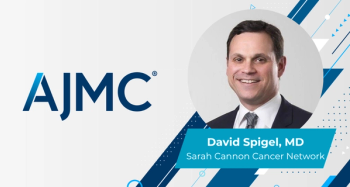
AI could ease oncology's drug development "traffic jam," while biomarker subsetting drives more personalized cancer care, David Spigel, MD, says.

In the US alone, 1.1 million individuals are living with the progressive neurodegenerative movement disorder, and 90,000 are diagnosed each year.

Two posters report 3.9% first-year GLP-1 discontinuation and a 5-day median time to first fill under pharmacist-led care.
NCCN concordance won't ensure coverage; OAB risk tied to income; 91% offer bispecifics; ruxolitinib spend hits $49.6M; TALK SAFE Act aids telepsychiatry.

Community oncology faces high costs and staffing hurdles for trials; Lucio N. Gordan, MD, urges pragmatic designs matching real-world patients.

In part 2, David Johnson, MD, MPH, discusses how real-time data can sustain gold carding, ease prior authorization burden, and ensure accountability.

Prior authorization and compounded drugs remain top obesity care access barriers, says NYU Langone's Holly Lofton, MD.

Adaolisa Anaka, PharmD, BCACP, AAHIVP, discusses a pharmacist-led model that targets access barriers to GLP-1 obesity therapy.
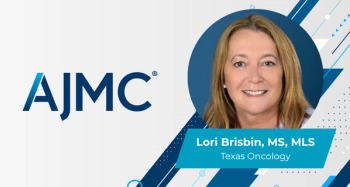
Liquid biopsy and at-home phlebotomy are closing precision medicine access gaps nationwide, though tissue remains the gold standard.

Irfana Lakada, PharmD, CSP, explains why onboarding may be the wrong time to screen for social needs and why rescreening matters.

A 3-year registry found dupilumab controlled atopic dermatitis (AD) in most children, though those under 6 years were likelier to stop treatment.
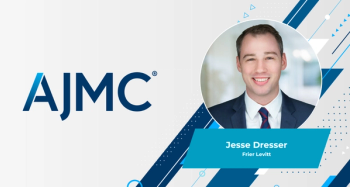
Jesse Dresser explains how federal PBM reform, a new CMS RFI, and FTC settlements could reshape specialty pharmacy contracts and pay from 2027.
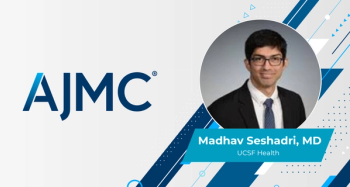
Madhav R. Seshadri, MD, speaks on CLL's shift toward fixed-duration, MRD-guided regimens, MRD testing barriers, and open questions on drug sequencing.

Most community oncology practices now administer bispecific antibodies in-office, but reimbursement gaps remain a top barrier, a survey finds.
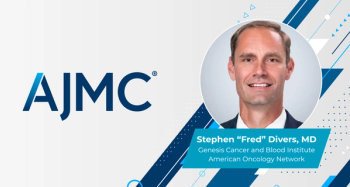
Stephen "Fred" Divers, MD, discusses how COA study data push back on payer bias and support community oncology's long-term sustainability.
David Johnson, MD, MPH, discusses how payer data can reduce low-value cancer care and steer patients to supportive services and cost-efficient sites.
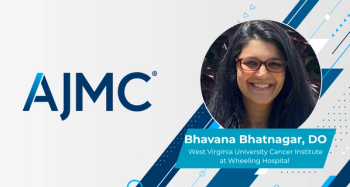
Robust survivorship programs exist at some institutions, but needs vary widely from patient to patient, explains Bhavana Bhatnagar, DO.
Stephen “Fred” Divers, MD, discusses findings showing community oncology delivers outcomes comparable with academic care for breast cancer and NSCLC.

Congress's Mental Health TALK SAFE Act could expand telepsychiatry access by establishing permanent telehealth prescribing and licensing rules.
Stephen "Fred" Divers, MD, previews PCOC 2026, including his session on the Oncology Care Index and the gap in AI adoption in oncology.
For Bhavana Bhatnagar, DO, delivering bispecifics and CAR T-cell therapy requires infrastructure, education, SOPs, and experienced academic colleagues.
Christine Pfaff, RPh, MBA, discusses barriers to community cellular therapy delivery and the need for new business models and payer collaboration.

A new blood test for adults as young as 40 years arrives as employers and insurers still treat Alzheimer disease as an old-age condition.

Vitamin K shot refusals rose 77% from 2017 to 2024. Experts break down the drivers, risks, and how clinicians and payers should respond in 5 FAQs.
Advertisement
Advertisement
Trending on AJMC
1
5 Things to Know About the One Big Beautiful Bill Act
2
Coroner Reports Pennsylvania's Sixth Measles-Associated Death
3
Medicaid Obesity GLP-1 Coverage May Offset Some Diabetes-Labeled Use
4
FAQ: How Payers Can Close HIV Prevention and PrEP Access Gaps
5