
Oncology
Latest News
Advertisement
Latest Videos









Advertisement
More News

The FDA has approved Novartis’ ribociclib (Kisqali) for treatment of postmenopausal women with hormone receptor positive, human epidermal growth factor receptor-2 negative (HR+/HER2-) advanced or metastatic breast cancer.
A new study, published in the Journal of the National Cancer Institute, has confirmed that mammographic density change following estrogen and progestin treatment increases the risk of breast cancer.
A recent study in Health Affairs assessed cost and utilization outcomes for 3 innovative care models for Medicare beneficiaries with cancer: oncology medical homes, patient navigator programs, and palliative care initiatives.
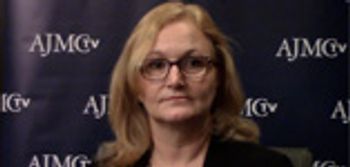
The cost of oncology care has increased significantly in recent years, leading employers to worry about how they can provide consistent benefits for employees with cancer and their family members, according to Karen van Caulil, PhD, president and CEO of the Florida Health Care Coalition.

Years of experience as an oncology nurse practitioner have underscored the importance of evidence-based resources for both patients and clinicians, says Carrie Stricker, PhD, RN, AOCN, chief clinical officer and co-founder of Carevive.

When discussing value in oncology, the outcomes that matter are those that are important to the patient, said Stuart Goldberg, MD, chief medical officer, Cancer Outcomes Tracking and Analysis, John Theurer Cancer Center. He also discussed how the use of data to stratify patients is important for providing value-based cancer care.
The selective BCR-ABL1 kinase inhibitor imatinib mesylate (Gleevec) has been found to be safe and effective following almost 11 years of follow-up in patients with chronic myeloid leukemia.

This week, the top managed care news included a bill from House Republicans to repeal and replace the Affordable Care Act, a new program at Walgreens to train pharmacists on an advanced cancer-care curriculum, and findings that health coaching helps the neediest patients most.
A study evaluating patients diagnosed with thyroid cancer who refused a clinical intervention for fear of being overdiagnosed has reported that the individuals feel isolated and anxious.
A new study from the MD Anderson Cancer Center has identified factors that influence cancer clinical trial accrual rates.
A review of research on the effectiveness of several treatments for cancer-related fatigue determined that exercise and psychological interventions resulted in more significant improvements than pharmaceutical regimens.
A pilot study conducted at a safety net hospital has armed researchers with a new educational tool: a digital app to persuade parents to vaccinate their adolescent against the human papilloma virus (HPV).
First-line pembrolizumab every 3 weeks followed by second-line ipilimumab, and first-line nivolumab followed by second-line ipilimumab are cost-effective strategies in patients with advanced melanoma expressing wild-type BRAF.
Pharmacists and pharmacy technicians working at 50 specialty pharmacy locations owned by Walgreens have completed a cancer-focused curriculum of advanced education courses.
How will drug developers price gene therapy treatments to recover their investment and ensure that society can bear the impending cost?
A recent study has found that low-income subsidies under the Medicare Part D program can help improve rates of persistence and adherence to breast cancer therapies among Hispanic and black women.
Eight months into the Oncology Care Model, find out what participants can expect from the first performance data feed released later this month.
Implementation of clinical pathways saved $15,013 in the total cost of care per patient over a year.

Insurers can engage the practices they work with by building a sense of trust and open communication with the providers, according to Kim Eason, manager at Horizon Blue Cross Blue Shield of NJ.
A new clinical pathways program at the Cancer Treatment Centers of America will help inform treatment by seamlessly integrating into the physician’s electronic health record.

Hospitals don't always adequately prepare patients for the reality of cancer treatment and all the ways it might affect someone's life, explained Melissa Thompson, MBA, healthcare strategist, patient, and self-advocate.

This week, the top news in managed care included President Donald Trump's first address to Congress, which included guiding principles for replacing the Affordable Care Act, a leaked version of the House GOP's own draft for healthcare reform, and a study finds a concerning trend in colorectal cancer rates among young adults.
While colorectal cancer screening rates have seen a recent progress toward achieving the Healthy People 2020 objectives, breast cancer screening rates have remained static, and cervical cancer screening rates have been declining.
The company did not recover from the 5 patient deaths associated with JCAR015 in 2016.
Research presented by Kai Yeung, PharmD, PhD, scientific investigator I, Group Health Research Institute, at the Cost-Sharing Roundtable: Sustainable Strategies for Providing Access to Critical Medications. The event was co-hosted by the PAN Foundation and The American Journal of Managed Care®.
Advertisement
Advertisement
Trending on AJMC
1
PBM Reform and Supportive Care Needs: Nicolas Ferreyros
2
5 Things to Know About the One Big Beautiful Bill Act
3
Coroner Reports Pennsylvania's Sixth Measles-Associated Death
4
Genetic Analysis Links Insomnia Liability to Higher Inflammation Marker
5