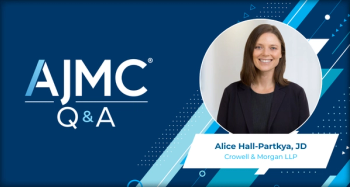
Alice Hall-Partyka, JD, a partner at Crowell & Moring explains the lawsuits challenging CMS' Medicaid rule on pediatric gender care and its legal weak points.
As part of the deal, AbbVie is expanding its direct-to-patient offerings through the TrumpRx program.
AbbVie on Tuesday announced a voluntary agreement with the Trump administration aimed at expanding access to medicines and lowering costs for US patients while preserving domestic pharmaceutical innovation.1 Under the agreement, the company will offer lower prices for its drugs in Medicaid and commit $100 billion over the next decade to US-based research and development and capital investments, including manufacturing.
As part of the deal, AbbVie is expanding its direct-to-patient offerings through the TrumpRx program, making widely used medications such as brimonidine tartrate (Alphagan), brimonidine/timolol (Combigan), adalimumab (Humira), and levothyroxine sodium (Synthroid) more accessible to patients. The company said the initiative is intended to improve affordability and access for millions of Americans who rely on these treatments. Among the drugs listed, Fierce Pharma
In exchange, the Trump administration granted AbbVie exemptions from tariffs and future price mandates, while continuing efforts to push for global pricing policies that reflect what the administration describes as the full value of US medical innovation.1 The company said the agreement addresses all 4 of Trump’s drug pricing priorities, though specific details beyond the announced provisions were not disclosed.
"AbbVie's mission is to make a remarkable impact for the patients we serve around the world through our innovative medicines," Robert A. Michael, chairman and CEO of AbbVie, said in the
The AbbVie agreement comes amid a broader push by the Trump administration to secure voluntary drug pricing concessions from major pharmaceutical manufacturers.3 To date, the administration has reached pricing agreements with most of the companies it contacted. Johnson & Johnson joined the list recently, announcing its agreement on January 9.4 With participation from Johnson & Johnson and now AbbVie, the Trump administration is waiting on one final response from Regeneron.
Central to these deals is a requirement that manufacturers offer most of their drugs to Medicaid at prices comparable to those charged internationally, alongside participation in a new federal initiative, TrumpRx.gov, designed to steer patients toward direct-from-manufacturer purchasing options.3
The agreements reflect a scaled-back version of Trump’s revived most-favored-nation agenda, relying on negotiated commitments rather than mandatory regulation. In exchange, participating companies receive exemptions from potential pharmaceutical tariffs and relief from future price mandates—leverage that analysts say has been key to
While administration officials and industry observers view the deals as a significant step in federal drug-pricing policy, major gaps remain, particularly for drugs purchased through Medicare and private insurance. As a result, questions persist about how much these voluntary agreements will ultimately
References