The AJMC study, “Assessment of Variation in Ambulatory Cardiac Monitoring Among Commercially Insured Patients,” published in the February 2026 issue, analyzed claims data from 428,707 commercially insured patients without prior arrhythmia diagnoses and found that clinical and economic outcomes varied significantly by monitoring type, with iRhythm's Zio long-term continuous monitoring demonstrating the highest arrhythmia diagnostic yield, the lowest likelihood of repeat testing, and fewer cardiovascular events compared with Holter monitors and other ambulatory cardiac monitoring modalities.
Medical Product Outsourcing cited the AJMC study as part of a body of evidence reinforcing that short-duration 24- to 48-hour Holter monitoring produces clinically meaningful false negatives to make the case that 14-day continuous, uninterrupted patch-based monitoring should become the standard of care across diverse patient populations, including post-ablation and pregnant patients.
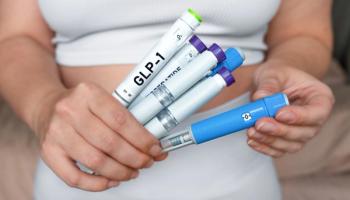
The article, “What You Need To Know Before the Medicare GLP-1 Bridge Goes Live,” published on AJMC.com, the website of AJMC, provides a detailed explainer on the Medicare GLP-1 Bridge program, covering its operational mechanics, including that it runs outside Part D with Humana as the central processor; that only Wegovy, Zepbound, and Foundayo qualify at a flat $50 monthly copay; and that the indefinite shelving of the BALANCE Model has transformed what was meant to be a 6-month stopgap into an 18-month demonstration with no permanent successor in place.
Medical Daily cited the AJMC article to anchor its patient-facing warning about the coverage cliff, quoting its conclusion that patients who have been on these medications for a year and a half face an abrupt loss of coverage if Congress has not acted by December 2027, and using its $47.7 billion projected cost figure to explain why legislative momentum for permanent obesity drug coverage in Medicare has stalled.