

Opinion|Videos|April 22, 2025
Comparing Biologic Treatment Patterns: Tildrakizumab vs Ustekinumab
Author(s)Aaron Farberg, MD
An expert discusses how comparative studies of FDA-approved psoriasis biologics are crucial for treatment optimization. This study compared tildrakizumab with ustekinumab, analyzing discontinuation, persistence, adherence, and switching. Results showed favorable persistence and adherence. Provider administration may have influenced outcomes, impacting clinical decisions.
Advertisement
Episodes in this series
Video content above is prompted by the following:
- Why is it so critical to have comparative studies with biologics FDA-approved for psoriasis?
- What were the objectives and methods of this study, and why is it important to analyze end points such as treatment discontinuation, persistence, adherence, and switching/reinitiation?
- What were the key results seen in terms of these key end points such as treatment discontinuation, persistence, adherence, and switching/reinitiation?
- Do you believe that having a health care provider–administered biologic impacted the results?
- Will the results from this study impact your clinical decision-making?
Advertisement
Related to this article

FDA granted accelerated approval to dostarlimab-gxly for dMMR or MSI-H locally advanced rectal cancer based on interim phase 2 AZUR-1 results.

Phentolamine 0.75% (Ryzumvi) won FDA approval for presbyopia based on the phase 3 VEGA-2 and VEGA-3 trials.

Nearly 3 in 4 bariatric surgery candidates had clinical obesity, a phenotype that BMI alone did not distinguish from preclinical obesity.

Satralizumab, a first-in-class IL-6 receptor inhibitor, was approved for adults with thyroid eye disease based on the phase 3 SatraGO program.

A review of 47 endometriosis guidelines found most came from high-income settings and diverged on biomarkers, repeat surgery, and fertility referral.

The meeting covered several topics in eye care, including how artificial intelligence (AI) can play a part in eye care.

A meta-analysis of 27 trials found a 15% cardiovascular risk reduction per 10-mm Hg lower systolic BP, with no added risk of kidney failure.
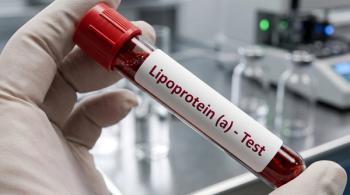
In a Japanese registry of 1235 patients with AMI treated with PCI, Lp(a) of 24 mg/dL or higher independently predicted MACE and HF hospitalization.
Advertisement
Advertisement
Trending on AJMC
1
Pathological Response Does Not Reliably Predict Survival in Sarcoma
2
5 Things to Know About the One Big Beautiful Bill Act
3
New CHEST Guidelines Offer a Road Map for Bronchiectasis
4
CHEST Investigations Explore COPD Guideline Adherence, Adding Ensifentrine, and Use of AI in Education
5