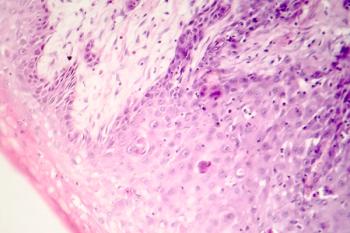
Cosibelimab received an NCCN Category 2A preferred designation for locally advanced CSCC, supported by durable responses and low immune toxicity.
A recent review suggests women with ovarian or colorectal cancer face a higher risk of developing the other, highlighting the need for surveillance.
A significant bidirectional relationship may exist between
Ovarian and colorectal (colon or rectal) cancers are among the most prevalent malignancies worldwide and pose substantial public health burdens for women. Although these cancers are typically studied separately, the researchers highlighted emerging evidence
Despite increasing interest in this association, they noted that limited data exist from both perspectives: the risk of colorectal cancer in women with ovarian cancer and the risk of ovarian cancer in women with colorectal cancer.1 To address this gap, the researchers conducted a systematic review and meta-analysis. The analysis also examined the role of borderline ovarian tumors (BOT) and their subtypes, particularly serous and mucinous borderline tumors.
They used standardized incidence ratios (SIRs) to identify these risks. This measure allowed the researchers to assess whether patients with ovarian or colorectal cancer are at an elevated risk of developing the other malignancy compared with the general population.
The literature search was conducted on September 27, 2024, across Scopus, Web of Science, PubMed, and Google Scholar. Studies were screened in 2 phases: first with an initial review of titles and abstracts, followed by a full-text evaluation.
The initial search yielded 2544 eligible studies from Web of Science, 2869 from Scopus, and 1137 from PubMed. However, the researchers only included 20 in the final analysis. All 20 studies were retrospective cohort studies sourced from national registries published between 1987 and 2023.
Their findings indicated that women with ovarian cancer had a significantly higher incidence of colorectal cancer overall (SIR, 1.69; 95% CI, 1.39-1.98), including increased risks of both colon (SIR, 1.57; 95% CI, 1.14-1.99) and rectal (SIR, 1.58; 95% CI, 1.38-1.78) cancers. In the BOT subgroup, the SIR for colorectal cancer was 1.27 (95% CI, 0.99-1.55), with a significant association observed in the serous subtype (SIR, 1.38; 95% CI, 1.09-1.67). The researchers noted that this finding suggests that certain ovarian cancer subtypes may have a stronger association with colorectal cancer, warranting further investigation into the influence of tumor biology.
Additionally, studies assessing ovarian cancer in women with colorectal cancer reported an overall SIR of 1.48 (95% CI, 1.17-1.79). Women with colon cancer had a higher incidence of ovarian cancer (SIR, 1.64; 95% CI, 1.25-2.03), whereas those with rectal cancer had a slightly reduced risk (SIR, 0.88; 95% CI, 0.77-0.99). Overall, the researchers underscored that these findings support a potential bidirectional relationship between ovarian and colorectal cancers.
They also highlighted the impact of treatment modalities on the development of secondary malignancies. The researchers highlighted that chemotherapy appeared to significantly increase the risk of both colon and rectal cancers, suggesting a potential link between the treatment for ovarian cancer and subsequent colorectal cancers. Similarly, they noted that combined radiotherapy and chemotherapy significantly increased the risk of rectal cancer.
“These findings emphasize the importance of monitoring women with ovarian cancer who undergo chemotherapy or combined treatments for the potential development of subsequent colorectal cancers,” the authors wrote.
The researchers concluded by acknowledging several limitations, including that all included studies used retrospective cohort designs. Additionally, SIRs do not account for other factors that may influence cancer risk, such as lifestyle, family history, or genetic predisposition. Despite these limitations, they expressed confidence in their findings and identified areas for future investigation.
“Future advanced genetic studies are needed to better understand the underlying molecular mechanisms,” the authors wrote. “Additionally, the results emphasize the importance of careful cancer surveillance and early detection strategies for women with a history of either ovarian cancer or colorectal cancer.”
References