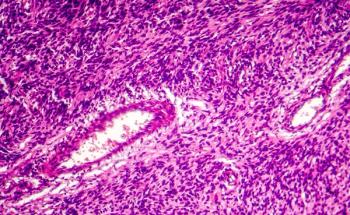
Inconsistent definitions limit pathological response as a soft tissue sarcoma marker, according to a narrative review.
Genetics played a major role in predicting worsening LVEF, progressing to a dilated cardiomyopathy phenotype, and a combined end point of both.
Nearly 4 in 10 patients with nondilated
“This represents a novel and clinically relevant observation in a population for which longitudinal data have been lacking,” researchers said.
To come to their findings, researchers analyzed outcomes of 432 adults with NDLVC treated at 2 high-volume cardiomyopathy centers in Italy between 2010 and 2023. Over a median follow-up of 77 months, 38% of patients experienced adverse echocardiographic progression, including:
NDLVC was formally introduced in the 2023 European Society of Cardiology guidelines and includes patients with nonischemic myocardial scarring or dysfunction without left ventricular dilation.2 According to the authors, this is the first study to characterize the temporal evolution of NDLVC, which they say is especially relevant given the heterogeneity of patients with the condition.1
Researchers used a multiparametric approach integrating clinical history, electrocardiography, imaging, and genetics to identify a number of baseline features that they said strongly predicted disease progression. The highest risk profile included the coexistence of pathogenic or likely pathogenic genetic variants with biopsy- or cardiac magnetic resonance–proven myocardial inflammation, referred to as a genetic and inflammatory etiology.
In multivariable analyses, the following baseline characteristics were associated with adverse outcomes:
According to the study. Models incorporating these factors demonstrated the strongest discrimination power for predicting:
Genetics alone played a significant role in risk prediction, as negative genetic testing was linked to reduced risks of:
Notably, among patients with preserved baseline LVEF (≥ 50%), no individual with a negative genetic test experienced the combined end point during follow-up.
“In support to recent literature in arrhythmogenic cardiomyopathy, our cohort data showed that the protective effect of a negative genetic testing on disease progression was a stronger predictor than the adverse impact of a high-risk genotype, especially in the subgroup with baseline LVEF ≥ 50%,” the researchers said.
Beyond echocardiographic changes, adverse remodeling was associated with worse clinical outcomes, including higher rates of all-cause mortality, heart transplantation, and major arrhythmic events. According to the authors, these findings reinforce the need for early identification of high-risk patients within this newly defined cardiomyopathy category.
“Despite these promising results, external validation in independent patient cohorts and prospective studies with extended follow-up are necessary to better understand the longitudinal progression in this newly identified, heterogeneous group of cardiomyopathies,” researchers concluded.
References