The FDA approves atezolizumab with a fluoropyrimidine and oxaliplatin as adjuvant therapy for stage III dMMR colon cancer based on the ATOMIC trial.
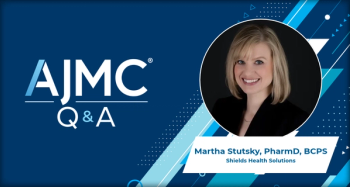
Yara Abdou, MD, emphasizes that addressing fertility, survivorship, and quality of life is key to improving outcomes for young patients with breast cancer.
While novel treatments are transforming survival, Yara Abdou, MD, told The American Journal of Managed Care® at last month's
Watch
This transcript has been lightly edited for clarity; captions were auto-generated.
Transcript
What emerging treatment advances do you see as most promising for improving outcomes in young patients with breast cancer?
We've had a lot of major advances in breast cancer in general over the last few years. Immune checkpoint inhibitors have significantly improved outcomes in triple-negative breast cancer. We have antibody-drug conjugates, which have changed the treatment paradigms in all subtypes of breast cancer, and we have a lot of novel therapies that are being studied right now, like immunotherapies, including CAR [chimeric antigen receptor] T-cell therapies, TILs [tumor-infiltrating lymphocytes], and other targeted therapies.
We also have genomic tools and MRD [minimal residual disease] assays that help refine risk and sometimes guide treatment, so lots of advances here. But I think when it comes to the young patient population, it's important to be mindful of the long-term implications of these newer drugs. We still don't know much about the fertility side effects and reproductive side effects of these newer agents, so it's important to discuss these with our patients and keep that in mind as we make shared decisions.
What are the key survivorship concerns for young patients, and how should clinicians address them early?
Survivorship in young women is more than just finishing treatment. They're really rebuilding their identity and finding purpose after cancer disrupted their key building years. Career and work are major stress points. A lot of women feel like it's really isolating to go back to work with lingering fatigue and lingering side effects.
On the emotional side, mental health is huge. PTSD [posttraumatic stress disorder], anxiety, and depression are all very common yet underrecognized. There's pressure for them to bounce back, which can be invalidating and mask underlying distress. Then, there are also sexual health and body image issues. A lot of our patients are undergoing premature menopause, body image changes, and low libido, which can affect their relationships and intimacy.
From a social perspective, a lot of them feel isolated because they feel like they don't belong to our typical support groups and are always seeking peers to connect with from a breast cancer perspective. So, there's a lot we can do to support mental health and sexual health, and connecting them with appropriate peers, in my opinion, is as important as medical follow-up in that survivorship stage.
What do you see as the biggest unmet need in managing young patients with breast cancer, and what steps are needed to address it?
The biggest unmet need is integrated age-specific care that can address not just the tumor but the whole person. For young women with breast cancer, we really need coordinated care across the continuum, so medical oncologists, surgical oncologists, fertility specialists, and psychosocial support; we all need to be working together to support these women and improve their outcomes.
Some steps we can take are through young adult breast cancer programs, which are programs available in some institutions that are dedicated to young women with cancer diagnoses and can provide that integrated, multidisciplinary approach. I think fertility planning and counseling need to be routine things. We need to streamline our fertility preservation referrals and have more financial support for our patients. We need to standardize mental health and sexual health clinics for these patients.
From a research perspective, I think we need to improve the representation of young women in clinical trials, and we need more research on the long-term implications of these newer agents that are improving outcomes pretty significantly but also have long-term quality-of-life trade-offs.