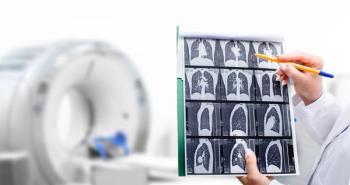
Among people with HIV, lung cancer screening eligibility rose from 6% to 15% in 6 years, but uptake stayed under 30%.
The AACR roadmap spotlights LDCT screening, ctDNA MRD monitoring, and new NSCLC/SCLC therapies like DLL3 tarlatamab to close survival gaps.
Lung cancer remains the leading cause of cancer death in the US, killing more patients each year than colorectal and pancreatic cancer combined, even as targeted therapies and immunotherapies have transformed outcomes for some. A roadmap from the American Association for Cancer Research (AACR) Lung Cancer Task Force, published in Cancer Discovery, lays out where research must go next to close that persistent gap.1
Lung cancer's 5-year survival still trails most other major malignancies despite decades of genomic and immunotherapy advances, the task force noted, with most patients diagnosed after the disease has spread. An estimated 124,990 Americans are projected to die of lung cancer in 2026, more than the combined toll of colorectal and pancreatic cancer, according to the American Cancer Society's annual statistics report.2 Five-year survival for metastatic disease climbed from 2% to 10% over the past decade, progress attributed largely to targeted therapy and immunotherapy, although screening uptake remains low, with only a minority of eligible smokers undergoing low-dose CT (LDCT).1
The roadmap's 21 authors, who span academic centers, industry, and government institutions, organized their priorities around basic and translational biology, novel therapeutics and clinical trial design, early detection and prevention, and disparities across age, sex, and ethnicity. Closing evidence gaps in each area, tied together through centralized, artificial intelligence (AI)-enabled data-sharing, will be needed to move lung cancer toward durable remission, the group argued.
About half of lung adenocarcinomas carry an actionable oncogenic mutation, but squamous cell lung cancer and
“The exceptional clinical activity of T-cell engagers in patients with SCLC versus other solid tumors might relate to the frequent suppression of antigen processing and presentation machinery in SCLC, a mechanism of immune escape associated with resistance to PD-(L)1–directed immunotherapy but bypassed by T-cell engagers,” the authors wrote.
The task force also pointed to protein degraders such as proteolysis-targeting chimeras and molecular glues, which are beginning to make targets like KRAS accessible, as a priority for expanding options beyond adenocarcinoma.
The task force highlighted trial models built to keep pace with lung cancer's expanding biomarker landscape. The Lung-MAP protocol uses a single centralized genomic screening platform to match patients with advanced NSCLC to biomarker-specific substudies, reducing screen-fail rates while continuously adding new investigational arms. The FDA's Project Pragmatica, exemplified by the Pragmatica-Lung trial (
Other studies show adaptive designs already changing practice. The phase 2 umbrella trial CTONG1702 (
Low-dose CT screening has been linked to a mortality reduction in high-risk populations, and US screening has coincided with a 4.6% annual decline in distant-stage disease incidence from 2013 to 2019, the task force noted, but current eligibility criteria, built around age and smoking history, still miss many never-smokers and younger patients. The Taiwan Lung Cancer Screening in Never-Smoker Trial enrolled more than 12,000 people, mostly never-smokers, and found more than 300 carcinomas on baseline LDCT, with more than three-quarters of cases being stage I disease, evidence the task force cited for biology-driven eligibility criteria rather than smoking history alone.
On prevention, the task force pointed to interleukin-1β (IL-1β) blockade and emerging “preventive vaccines” such as LungVax, designed to train the immune system to recognize common neoantigens in high-risk, ever-smokers, as promising but unproven strategies; no molecular prevention trial has yet been designed specifically to reduce lung cancer incidence. The group also called for greater representation of women, young adults, and Asian never-smokers, populations with distinct disease biology and survivorship needs, in trials and registries.
For clinicians, payers, and patient advocates, the near-term payoff lies in pairing broader trial eligibility and ctDNA-guided monitoring with wider screening access, while longer-term gains depend on prevention research that has so far lagged for lack of a commercial incentive. Lung cancer research, the task force concluded, stands at a pivotal inflection point requiring sustained, interdisciplinary investment to translate into a cure.
References
1. Winslow MM, Ahmed MA, Berg CD, et al. A roadmap to transform lung cancer outcomes: priorities in biology, therapeutic innovation, early detection, prevention and interception. Cancer Discov. 2026;16(6):1055-1073. doi:10.1158/2159-8290.CD-25-2318
2. Siegel RL, Kratzer TB, Wagle NS, Sung H, Jemal A. Cancer statistics, 2026. CA Cancer J Clin. Published online January 13, 2026. doi:10.3322/caac.70043