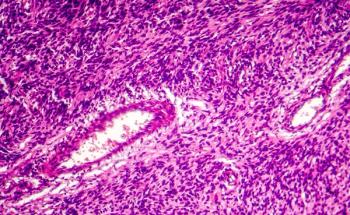
Inconsistent definitions limit pathological response as a soft tissue sarcoma marker, according to a narrative review.
Physicians to Discuss 2026 Oncology Care Index at Patient-Centered Oncology Care®, Premier Annual AJMC® Event Starting Today in Nashville | 60% of Community Physicians Say Clinical Trial Options Are Limited; 93% Say Pragmatic Designs Would Help
NASHVILLE, Tenn. (September 24, 2026)—Most patients with cancer are treated by community oncology practices, yet physicians in these settings experience barriers in accessing clinical trials and in adopting new therapies, according to results from the 2026 Oncology Care Index, a survey that will be presented today during Patient-Centered Centered Oncology Care® (PCOC), the annual multistakeholder oncology meeting hosted by The American Journal of Managed Care® (AJMC®).
In a recent interview with AJMC, Dr. Baig said the purpose of the Oncology Care Index is to understand what is working in cancer care and where physicians experience challenges. After the 2025 index gathered baseline data, the 2026 index focused on care delivery in community practices. The 2026 Oncology Care Index shows the need for urgent action at the community practice level. To view interview segments with Dr. Baig and others, visit the
“This is the first year that AJMC has presented new survey data during PCOC, said Gil Hernandez, Senior Vice President, Corporate Development, MJH Life Sciences. “We felt that the results from the 2026 Oncology Care Index would be of great interest to our audience, and we welcomed the opportunity to work with Johnson & Johnson to share them in this setting.”
This year’s index surveyed 109 community oncologists and 100 practice managers or administrators between May and July 2026. Among other findings, results showed the following:
Today’s panel will cover steps to close gaps in between innovation and implementation in community oncology. These include efforts to improve AI skills among oncology teams in underserved areas, steps to making clinical trials more accessible, and work on access issues with the Network for Collaborative Oncology Development and Advancement (NCODA).
Patient-Centered Oncology Care (PCOC) is an annual, two-day national oncology conference that brings together leaders from across cancer care for forward-looking education, practical strategy, and high-value connection. Designed for oncology stakeholders, including payers, providers, pharmacists, and policy leaders, this conference explores where cancer care is heading and how today’s decisions shape tomorrow’s outcomes. PCOC offers big ideas, real-world perspectives, and conversations that continue well beyond the session room. The 2026 meeting of Patient-Centered Oncology Care runs September 24-25 at The Conrad in Nashville, Tennessee. For information, see
The American Journal of Managed Care® (AJMC®) is a leader in managed care research and health care engagement, offering actionable insights and peer perspectives through our leading peer-reviewed journal, The American Journal of Managed Care®, and AJMC®’s Evidence-Based Oncology™. In addition, AJMC® provides commentary and the latest news through other platforms, including AJMC.com, the Managed Care Cast podcast, and best-in-class video content. AJMC® keeps industry leaders on the forefront of health policy by sharing research relevant to industry decision makers. Our digital platform, AJMC.com, distributes health care news to leading stakeholders across a variety of media, including peer-to-peer video interviews, podcasts, conference coverage, interactive resources, and more. Our live events bring together industry thought leaders to exchange insights and perspectives on the evolving health care landscape.