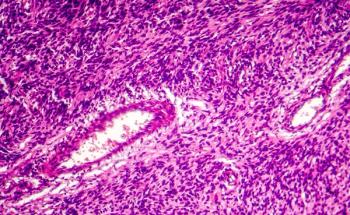
Inconsistent definitions limit pathological response as a soft tissue sarcoma marker, according to a narrative review.
It also flagged persistent gaps in biomarker testing and the limits of cross-trial comparisons for treatment selection.
Five distinct oncogenic fusion subtypes of
Oncogenic fusions arise when double-strand DNA breaks lead to translocations, inversions, insertions, duplications, or deletions that fuse 2 genes, producing an abnormal protein that drives tumor growth. These alterations account for approximately 5% to 10% of NSCLC cases, considerably less common than mutations in EGFR or KRAS, but the pace of drug development targeting them has been rapid: since crizotinib's 2011 approval for anaplastic lymphoma kinase (ALK)-rearranged NSCLC, additional targeted therapies have reached patients with ROS1, RET, neurotrophic tyrosine receptor kinase (NTRK), and neuregulin 1 (NRG1) fusions.
Identifying which patients qualify for these therapies remains uneven in practice. In a real-world analysis of more than 42,000 patients with metastatic NSCLC treated in the US between 2011 and 2023, 82.1% received at least 1 biomarker test, and testing rates increased over time; still, patient sex, race, performance status, insurance type, smoking status, and tumor histology were all significantly associated with the odds of receiving biomarker testing, the study authors found. Which patients went on to receive a biomarker-informed therapy varied by biomarker without a consistent demographic pattern. That analysis tracked testing rates for ROS1 and RET alongside EGFR and ALK, but it did not include NTRK or NRG1 fusions, which each occur in fewer than 1% of NSCLC cases and require RNA-based sequencing for reliable detection; testing gaps for those rarer alterations remain undocumented and are likely at least as wide.
The review, conducted by investigators affiliated with Yale Cancer Center, consolidated trial and real-world evidence for FDA-approved therapies targeting ALK, ROS1, RET, NTRK, and NRG1 fusions, along with mechanisms of resistance and diagnostic strategies. Testing methods included fluorescence in situ hybridization, immunohistochemistry, real-time polymerase chain reaction, and next-generation sequencing (NGS), although sensitivity varies; RNA-based NGS is increasingly preferred over DNA-based panels, which can underdetect fusions, with concordance between the 2 approaches ranging from 85% to 92%, the authors wrote.
Upfront and comprehensive molecular testing should be prioritized before starting immune checkpoint inhibitors, the review noted, because concurrent or sequential use of checkpoint inhibitors and tyrosine kinase inhibitors (TKIs) has been linked to clinically significant toxicities, and elevated PD-L1 expression in ALK-, ROS1-, and RET-rearranged tumors does not predict benefit from immunotherapy.
ALK remains the most established fusion target in NSCLC, with 6 approved TKIs: crizotinib, ceritinib, alectinib, brigatinib, ensartinib, and lorlatinib. In the phase 3 CROWN trial (
“A compelling case can be made for selecting lorlatinib as first-line therapy for most patients on the basis of efficacy," the review's authors wrote. Lorlatinib carries a distinct toxicity profile, including hyperlipidemia, weight gain, edema, and neurocognitive adverse effects, that requires closer monitoring than earlier-generation ALK inhibitors.
Alectinib became the first ALK TKI approved for adjuvant use after surgical resection. The phase 3 ALINA trial (
For the other 4 fusion classes, the approved roster has expanded quickly. Selpercatinib and pralsetinib are approved for RET fusion–positive NSCLC; crizotinib, entrectinib, repotrectinib, and taletrectinib (approved in June 2025) target ROS1 fusions; and larotrectinib, entrectinib, and repotrectinib cover NTRK fusions. The first approved therapy for NRG1 fusion–positive tumors, the bispecific antibody zenocutuzumab-zbco, emerged from the phase 2 eNRGy trial (
Because few of these newer agents have been tested head-to-head, treatment selection often relies on crosstrial comparisons that the review's authors cautioned "must be interpreted with caution" given differences in patient populations and study design. Reported objective response rates in TKI-naive patients, for instance, ranged from 68% with entrectinib to 79% with repotrectinib and 89% with taletrectinib for ROS1-rearranged NSCLC, a spread that is difficult to interpret without a head-to-head trial.
Durability of response also remains limited regardless of which agent is chosen first. Resistance develops through on-target mechanisms—changes within the fusion protein itself, such as secondary mutations in the kinase domain—and off-target mechanisms, which activate alternative signaling pathways or trigger histologic transformation, findings that underscore the need for continued research into resistance-directed therapies and biomarkers to guide sequencing. Several agents are now being tested earlier in the disease course, including alectinib and pralsetinib in the neoadjuvant and adjuvant NAUTIKA1 trial (NCT04302025) and taletrectinib in the adjuvant TRUST-IV trial (NCT07154706), an expansion the review's authors said could carry its own implications for how resistance develops after recurrence.
References
1. Nie Y, Wilson FH. Targeting oncogenic gene fusions in lung cancer. Cancer J. 2026;32(4):e0837. doi:10.1097/PPO.0000000000000837
2. Dennis MJ, Abrahami D, Vieira MC, et al. Real-world analysis of disparities in biomarker testing and use of recommended targeted therapies in metastatic non-small cell lung cancer in the United States. JCO Precis Oncol. 2025;9:e2400449. doi:10.1200/PO-24-00449