

Opinion|Videos|August 23, 2024
Role of Biologics in Dermatological Care
A key opinion leader examines how the introduction of biologic therapies revolutionized atopic dermatitis treatment, addressing strategies to manage patients' concerns about needles and injections.
Advertisement
Episodes in this series
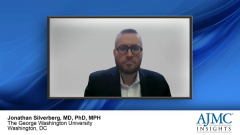

Video content above is prompted by the following:
- How have the emergence of biologics changed the treatment landscape of these diseases caused by an overactive immune response?
- How do you approach presenting monoclonal antibody treatments to patients or caregivers who have an apprehension of needles or injections? What strategies do you use to alleviate their concerns and gain their trust in proceeding with this preferred treatment option?
Advertisement
Related to this article

Pharmacists outline new oncologic therapeutics, from pancreatic cancer to myeloma, and what high prices and crowded markets mean for payers.
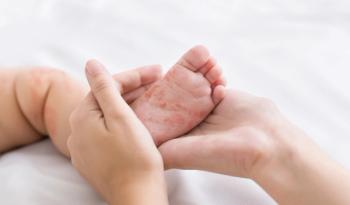
Invivyd presented preclinical IDWeek 2026 data on VMS063, an investigational antibody that neutralized B3 and D8 measles variants in vitro.
Sphingolipid profiles in plasma and breath condensate differed between IPF and f-HP and tracked with disease severity, CHEST 2026 data show.

The FDA granted accelerated approval to the first plasmid DNA-based immunotherapy for adults with recurrent respiratory papillomatosis (RRP).
October's FDA approvals included the introduction of 5 non-oncology treatment options across specialties.

A phase 4 study found 69% of patients with OAB were consistently satisfied with vibegron at 12 months, with exploratory persistence of 59.8%.

Initial frontal fibrosing alopecia treatment was largely similar in Black and White patients, though tetracycline use was higher in Black patients.
Advertisement
Advertisement
Trending on AJMC
1
First-Line Vitiligo Treatment: Topical JAK Inhibitors and Phototherapy
2
Unanswered Questions in First- and Second-Line mCRC Care
3
Cleveland Clinicians Say Obesity Care Starts Too Late for Many Patients
4
Precision Drugs Meet Payer Realities
5