Jennifer Flythe, MD, MPH, discusses individualizing dialysis volume management and why guideline-directed therapy use lags in advanced CKD.
RSV vaccines and nirsevimab are linked to reduced infant hospitalizations, though seasonal spikes and data limitations remain concerns.
The presence of respiratory syncytial virus (RSV) products during the 2024-2025 respiratory season reduced the rate of hospitalizations among children 24 months and younger, according to
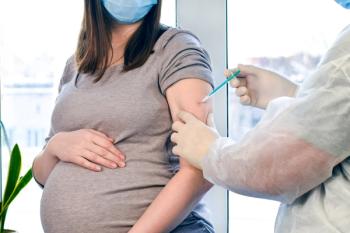
RSV peak season is often between December and January, as cases tend to dwindle into March. However, recent rates of infant RSV are significantly higher in February and March 2026 than they were in 2025. As of February 28, 2026, the rate of infant RSV cases in the US was 9.5%, whereas in 2025 it was 6.1% after falling from an 11% peak season.2 Because of the uncommonly high rates of RSV in infants at this time of year, the American Academy of Pediatrics strongly encourages pregnant mothers and parents of infant children to either take the RSV vaccine or get their child vaccinated. This study assessing the impact of the antenatal RSV vaccine (RSVpreF) and the long-acting monoclonal antibody nirsevimab (Beyfortus; Sanofi) during RSV season among infants provides evidence that the agents can prevent RSV and more severe cases of the disease in children.1,2
The research authors pulled clinical data from the Rapid Health Information Network, a syndromic surveillance program at the Washington State Department of Health. The data included confirmed RSV-associated hospitalizations or emergency department (ED) visits in infants 24 months or younger between July 1, 2022, and June 30, 2025, in the state of Washington.1
There were 16,775 RSV-associated hospitalizations and ED visits during those time periods. Among cases, the median age was 10 months; 55% were male and 45% were female. Of them, 348 were American Indian or Alaska Native, 738 were Asian, 980 were Black or African American, 624 were Native Hawaiian or other Pacific Islander, 7662 were White, 116 were multiracial, 4510 were other races, and 1797 were unknown races.
Overall, 41% of hospitalizations were among children 7 months or younger and 59% were among children aged 8 to 24 months. The majority of cases were patients seen in the ED, whereas 15% were patients admitted from the ED and 4% admitted directly to the hospital.
During the 2022-2023 RSV season, the annual rate of RSV-associated hospitalizations and ED visits was higher for children 7 months or younger (6.1 per 100 population) than children aged 8 to 24 months (3.8 per 100 population). The observed annual rate declined from the 2022-2023 season to the 2023–2024 season (3.6 per 100 population for children ≤7 months; estimated relative rate [RR], 0.61 [95% CI, 0.56-0.68]; and 2.5 per 100 population for children aged 8-24 months; estimated RR, 0.68 [95% CI, 0.62-0.74]).
Although the 2024-2025 season observed rate was relatively similar to that of 2023-2024, it was still a significant decline from the 2022-2023 season before RSVpreF and nirsivimab became available.
The study was limited as cases were defined using International Statistical Classification of Diseases, Tenth Revision codes for RSV and were not laboratory confirmed. Additionally, limited data in some regions, possible indirect effects of nirsevimab, and the ecological design without individual-level data restrict precision and prevent establishing causality.
“Our results support the use of RSV prevention products, and increased coverage of these products is expected to be associated with further decreases in infant disease,” the study authors concluded.
References
1. Bennett JC, Bevers E, Chronister S, et al. RSV prevention products and severe RSV-associated disease among infants. JAMA Netw Open. 2026;9(4):e265695. doi:10.1001/jamanetworkopen.2026.5695
2. Jenco M. RSV rates rising instead of winding down in some states. American Academy of Pediatrics. March 6, 2026. Accessed March 26, 2026.