HR 1 brings Medicaid work requirements and narrower immigrant eligibility by January 2027, and CBO projects 10 million more uninsured by 2034.
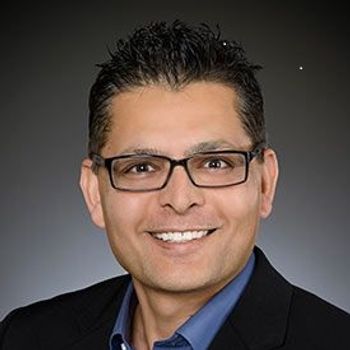
Anosheh Afghahi, MD, explains how integrated health technologies can improve clinical trial matching, efficiency, and equity.
Captions are auto-generated.
Administrative requirements—from prior authorization to clinical trial documentation—can delay treatment and research participation.
But clinical trial matching and integrated health technologies can improve both equity and efficiency in oncology clinical research, according to research presented at the American Society of Clinical Oncology 2026 annual meeting. Anosheh Afghahi, MD, medical oncologist at the University of Colorado Anschutz Medical Campus and senior medical director at Paradigm Health, said in an interview with The American Journal of Managed Care® (AJMC®).
“Using this approach can enroll a patient population that is more reflective of the underlying community oncology sites in terms of race and ethnicity,” she said. “And I do think that this is really important.”
Afghahi, also a panelist at AJMC’s Denver Institute for Value-Based Medicine® event, emphasized how health institutions can simplify their administrative burdens and workflow that often delay timely adoption of processes meant to improve enrollment like clinical trial matching. However, once implemented, these technologies are capable of streamlining patient identification and matching and thus increasing patient enrollment in clinical trials.
“Whatever we can do to simplify that process, I think that would be of huge value because once these are implemented and the training is in place and people feel comfortable using them, they have a really significant impact on getting patients onto clinical trials,” Afghahi said.
Implementing these technologies also helps reduce the manual labor associated with clinical trial documentation, like translating data from electronic health records to electronic data capture (EDC), making it easier for community practices to open and conduct clinical trials.
“Helping integrate that into the EDC can really reduce the resourcing and really help with allowing studies, allowing sites to open studies more freely because the resourcing is there and there are other methods by which data is being extracted and placed into the right database,” Afghahi said.