These phase 3 EXCALIBER-RRMM findings build on earlier MRD-negative complete response results supporting FDA approval of the iberdomide-based regimen.
Vishal A. Patel, MD, shares skin cancer prevention tips, highlighting sun-smart habits, risk-based screening, and at-home early detection.
Vishal A. Patel, MD, of the GW School of Medicine & Health Sciences and GW Cancer Center, shared strategies beyond sunscreen and emphasized the importance of at-home self-screening in part 2 of his conversation with The American Journal of Managed Care® (AJMC®) on skin cancer prevention and early detection during National Cancer Prevention Month.
He concluded by underscoring how clinicians and health systems could strengthen prevention and early detection by focusing on the most impactful strategies and understanding the optimal approach to screening.
Read part 1 of this Q&A
This transcript has been lightly edited for clarity.
AJMC: Beyond sunscreen, what additional protective strategies can help prevent skin cancer?
Patel: Sun exposure is a carcinogen. Your body can handle some of that, but, as a whole, any level of UV radiation exposure is not good for your skin. There are benefits from vitamin D production. Generally, most people get as much sun exposure as they need from normal activities, depending on where they live and their activity levels.
But UV radiation is a carcinogen, and exposure to it causes damage, so any level of protection that you can take to prevent exposure is beneficial. I think sometimes that's lost on people, where they think, “Well, the sunburn is bad.” You can get DNA damage without getting a sunburn. Chronic, low-level exposure can lead to damage and skin cancer formation, whereas you can have high-intensity exposure that leads to sunburn. Depending on these variabilities, they have different impacts on different types of skin cancers.
The name of the game, really, is sun protection, not just sunscreen. You can wear sun-protective clothing. Depending on your activity, if you're golfing or playing tennis, you can wear sun-protective shirts, you can apply sunscreen, but then you need to reapply, because sweat and it rubbing off reduces that protection over time, over 1 to 2 hours.
You can alter your activity so you're doing things outside when UV levels are lower, in the morning or in the late afternoon, before 10 and after 3 or so. You can alter your activities based on seasonal elements: summer vs fall vs winter.
Just like with anything else, it's about a healthy balance. It's about understanding your exposure risk. Just like diet, we try to eat a balanced diet, but that doesn't mean you can't have sweets or fatty foods. You want it in moderation, smaller amounts, in an overall healthy diet; it’s the same kind of relationship with the sun and activity.
AJMC: What warning signs or skin changes should prompt someone to seek medical attention?
Patel: First, you need to understand your risk. Not everybody needs to have regular skin cancer screening. Not every age needs the same level of assessment and screening, just like we don't do breast cancer screening or colorectal screening at every age. A lot of people think that since everybody's exposed to the sun, we all need to get screening from the moment that we're in our teens or young adulthood, but that's not necessarily the case.
You need a risk assessment based on your phenotype, your skin, your risk factors, your family history, your personal risk factors, and environmental exposure. Were you a lifeguard every summer for 10 years, or have you had minimal high UV radiation exposure? Then, figure out what risk category you're in and, depending on that, determine the optimal screening approach.
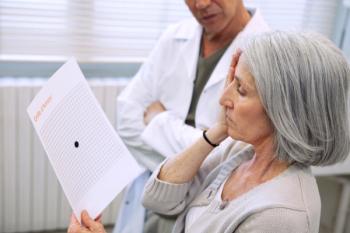
That starts with screening at home; that's one of the most important things. The most important and evidence-based way of identifying suspicious skin cancer lesions of melanoma and non-melanoma skin cancers is with the help of the patient. The patients identify the vast majority of lesions, not providers who do asymptomatic screenings for patients who just come in for a screening. Yes, we can pick up things that way, but those tend not to be as serious, generally, as when patients are in tune and identify spots.
I tell people, both providers and patients, that getting to know your skin and being comfortable and knowing what spots you have, how your skin looks, and what looks normal for your skin type is key. If you have new spots, new bumps, or new lesions that are different than what you have normally seen, that are different than other spots you have on your body, that stand out, or something that's changing, growing, scabbing, bleeding, or continues to change, those are features that should warrant you to have something looked at and screened. If you understand the baseline, then you can understand what’s different.
AJMC: How can clinicians and health systems play a stronger role in skin cancer prevention and early detection?
Patel: First of all, it's understanding what preventative strategies really make an impact. With prevention, we focus on primary and secondary prevention. Primary prevention, not letting the disease occur in the first place, really starts with the patient, with what we talked about earlier: being sun smart, taking care of your skin when you're outside, or wearing sun-protective clothing, sunscreen, and hats, and doing activities at times that are healthier for your body, if possible.
It doesn't mean that you never go on a tropical vacation and hide inside all the time to avoid the sun, but it's just about knowing when the sun's rays are really high and damaging and modifying behavior; that's what's going to lead to primary prevention of sun damage and skin cancer in the first place, and that starts with individual patients.
Clinicians, from a secondary prevention standpoint, should understand the evidence behind screening. A lot of us logically assume that screening is good, that you want to catch things early and treat them early. But in skin cancer, by screening people widely, we oftentimes provide undue screening pressure, leading to a lot of potential biopsies and anxiety in patients who are worried about spots; a lot of biopsies will ultimately be either benign or have no morbid impact on the patient's life.
So, understanding the optimal screening approach is key, and it kind of relates to what I said earlier, which is risk stratification, screening people who are at high risk for the development of melanoma, which can be morbid, as well as high-risk non-melanoma skin cancers, and educating patients about that, and then creating personalized screening approaches.
It's hard to avoid the sun in our world, and that's not necessarily a practical approach, but what you can do, even for patients who've had a lot of exposure, is field treatments to kind of counteract years, decades, of sun exposure damage. Incorporating that is much more beneficial than just blindly screening people and biopsying suspicious spots, as that leads to over-treatment and unnecessary biopsies.