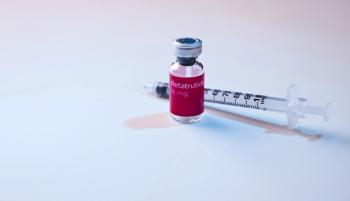
A legal fight over a single amino acid could set retatrutide's exclusivity window, its Medicare negotiation clock, and its competitive future.
Explore the evolving landscape of biologics in metabolic syndrome treatment, highlighting GLP-1 analogs and PCSK9 inhibitors for improved patient outcomes.
A
Metabolic syndrome is defined as three or more metabolic abnormalities: central obesity, hypertension, insulin resistance, elevated fasting blood glucose, and/or dyslipidemia. The global prevalence of metabolic syndrome is estimated at 25%, according to the authors. Treatment of elevated glucose and dyslipidemia associated with metabolic syndrome reduces the risk of cardiovascular disease and type 2 diabetes.
For components of the metabolic syndrome, traditional pharmaceuticals, such as metformin and statin drugs, “laid the foundation for disease management but often fail to adequately address risk, particularly in patients with elevated Lp(a) or diabetes-related cardiovascular comorbidities,” the reviewers said.
Biologics are progressively entering clinical treatment protocols to “enhance therapeutic efficacy and broaden treatment options,” particularly among anti-diabetic drugs. The review also discussed the role of nucleotide-based therapeutics, such as small interfering RNA (siRNA) and antisense oligonucleotides.
Humulin, the first recombinant human insulin, was approved by the US FDA in 1982, leading to the development of modern insulin analogs, such as fast-acting Humalog in 1996 and long-acting Lantus in 2000. Three
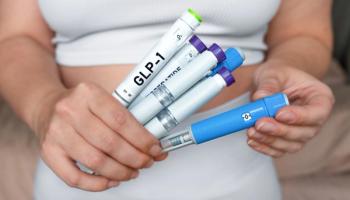
Glucagon-like Peptide-1 (
Several studies have found that in comparison to oral hypoglycemic agents, such as sulfonylureas and metformin, GLP-1 receptor agonists reduce body mass index, fasting plasma glucose, and HbA1c to a greater extent. For example, the authors cited studies finding GLP-1 receptor agonist therapy reduced HbA1c more than metformin, and that the 1-year risk of add-on glucose-lowering medication was lower with GLP-1s compared to metformin. Compared to the sulfonylurea glibenclamide, liraglutide lowered fasting and postprandial glucose. Compared to dipeptidyl peptidase 4 (DPP-4) inhibitors, GLP-1s were more effective at reducing HbA1c; however, the authors noted DPP-4 inhibitors “offer a lower risk of gastrointestinal discomfort.” GLP-1s are associated with
Both GLP-1s and sodium/glucose cotransporter 2 (SGLT-2) inhibitors reduced all-cause mortality, cardiovascular mortality, myocardial infarction, and kidney failure when added to existing diabetes treatment, according to a 2021 network
Notably, GLP-1 drugs “are differently tolerated by patients” and have shown poorer persistence or adherence, usually due to adverse effects, compared to other glucose-lowering drug classes, such as DPP-4 inhibitors and sulfonylureas.
PCSK9 is a regulator of cholesterol metabolism that binds to LDL receptors on hepatocytes and facilitates their degradation, leading to reduced expression of LDL receptors on hepatocyte membranes and reduced clearance of LDL cholesterol from the blood. It was discovered in the early 2000s that gain of function mutations in the PCSK9 gene are responsible for familial hypercholesterolemia. Two monoclonal antibodies that inhibit PCSK9, alirocumab and evolocumab, have been approved by the FDA since 2015, and a small interfering RNA (siRNA), inclisiran, that inhibits PCSK9 synthesis has also been approved in both Europe and the US.
Among typical therapeutic options for dyslipidemia, PCSK9 inhibitors are the most effective at reducing total and LDL cholesterol, the authors said. Alirocumab and evolocumab are used alongside a statin or another cholesterol-lowering drug, or as monotherapy when statins are ineffective or not tolerated. PCSK9 inhibitors are “highly effective” at improving lipid profiles but primarily suitable for those patients whose cholesterol levels cannot be effectively controlled by statins or other conventional medications, they said, due to higher treatment costs than conventional treatments.
They cited a meta-analysis that concluded PCSK9 inhibitors were more effective than statins at reducing total and LDL cholesterol and increasing HDL cholesterol. There were no significant differences between statins and PCSK9 inhibitors in cardiovascular events or all-cause mortality. Plus, unlike statins, PCSK9 inhibitors did not increase liver enzymes or diabetes risk. However, other adverse effects may limit PCSK9 use, they said, such as injection site reactions, flu-like symptoms, and upper respiratory tract infections. In another analysis, the combination of a statin plus ezetimibe was superior to PCSK9 inhibitors for lowering triglyceride levels.
Reference
Górecka W, Berezovska D, Mrozińska M, Nowicka G, Czerwińska ME. Biological and Biosimilar Medicines in Contemporary Pharmacotherapy for Metabolic Syndrome. Pharmaceutics. 2025; 17(6):768. doi:10.3390/pharmaceutics17060768