Commentary|Videos|June 30, 2026

The Oncology Care Model: A Decade of Transformation

Fact checked by: Christina Mattina

Seven oncology leaders reflect on lasting gains in patient care, cost awareness, and collaboration, and what was lost when CMS walked away.

Seven oncology leaders reflected on the 10-year legacy of the Oncology Care Model (OCM), offering perspectives that ranged from frontline clinical breakthroughs to pointed criticism of how the program was ultimately evaluated and succeeded.
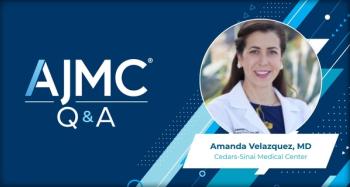
Stuart Staggs, MSIE, of McKesson, pointed to patient distress screening as the single most compelling measure of change, a metric not even on the original OCM list. Since entering the Enhancing Oncology Model, there have been over 1 million distress assessments in 18 months, addressing barriers including food insecurity, financial hardship, and transportation. The philosophy, he said, was simple: you cannot assess without addressing.

Richard Ingram, MD, of Shenandoah Oncology, described a series of smaller “aha” moments rather than a single revelation. Among them, the discovery that tracking hospitalized patients and conducting root cause analysis could reveal actionable patterns, such as intervening on dehydration before it required hospitalization. Perhaps most meaningfully, his practice chose to apply OCM care plans to every patient, not just those enrolled in the model.

David Wenk, MD, of Florida Cancer Specialists & Research Institute (FCS), described how at FCS—a practice spanning metropolitan and rural communities across Florida—achieved consistency through standardization. The same protocols and standards applied statewide, with only minor staffing adjustments for smaller communities.

Shiela Plasencia credited the Community Oncology Alliance (COA) with transforming community oncology from a collection of siloed institutions into a genuine collaborative. COA’s email listserve and practice spotlights gave practices a forum to share what was working, something she called one of her favorite outcomes of the entire OCM experience.

Susan Escudier, MD, of Texas Oncology, praised the treatment plan as a tool for honest prognostic conversations, enabling oncologists to discuss terminal diagnoses clearly and in writing. She also emphasized how the OCM aligned incentives so that oncologists, who often have no idea what drugs cost, began considering cost when outcomes were equivalent, and pointed to treatment plans, financial counseling, and patient surveys as durable improvements, while noting that self-management scores reveal how much work remains.

Johnetta Blakely, MD, MS, MMHC, Tennessee Oncology, highlighted how she thinks pathways were underemphasized in the OCM, which focused too heavily on cost. Also, although hospitalization and emergency department visit rates matter, they’re viewed as proxies for access rather than the full picture. More meaningful indicators of care quality are such operational and clinical metrics as appointment access, telephone triage response times, chart staging, and pathway adherence.

Ted Okon, MBA, of COA, offered the sharpest critique: rather than building on what worked, CMS essentially abandoned the OCM and created a new program now plagued by practice dropouts and missing performance reports. In a private sector context, he argued, the OCM would have become OCM 2.0, not discarded.