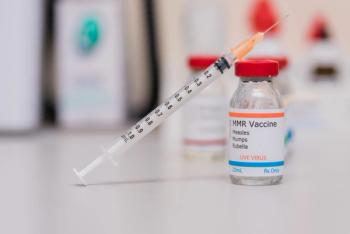
The Franklin County death is under state review as Pennsylvania's measles outbreak passed 1100 cases and 219 hospitalizations.
NPC researchers examined questions about how these policies could affect patients, pharmacies, and providers.
A new National Pharmaceutical Council (NPC)
As state prescription drug affordability boards (PDABs) move towards UPL implementation at inconsistent rates, it is important to forecast the potential impact on the healthcare system and patient access.
The following Q&A provides additional context for the analysis and its findings.
What is a prescription drug affordability board (PDAB)?
A PDAB is a state board created to address the cost of prescription drugs. Advocates for PDABs often emphasize their mission to ensure that patients in their states have access to affordable prescription drugs. Some PDABs also have the purported authority to set upper payment limits, or maximum reimbursement amounts, for certain payers.
Patients and pharmacists have shared concerns about whether PDABs can accomplish their stated mission, and many legal questions remain.
What is an upper payment limit (UPL)?
A UPL is the maximum reimbursement certain payers can provide pharmacies and providers for a drug. A UPL caps what a payer reimburses but does not lower the acquisition cost pharmacies and providers pay, require coverage, or guarantee lower out-of-pocket costs.
Which states established PDABs with permission to set UPLs?
Courts are still evaluating whether PDABs can set UPLs. Four states have taken action to establish PDABs with UPL authority: Colorado, Maryland, Minnesota, and Washington. Other states, including Virginia and Illinois, have recently debated legislation to establish new PDABs with UPL authority.
Which states have set UPLs, and where do things stand?
No UPLs are in effect. The Colorado and Maryland PDABs have voted to implement UPLs for several drugs, though they have not gone into effect yet. A federal judge
How could UPLs affect patients?
UPLs risk worsening patient access by state; given existing incentives in coverage decisions, payers may remove UPL drugs from formularies, shift them to higher cost-sharing tiers, or impose stricter utilization management.
What could UPLs mean for pharmacies and providers?
UPLs introduce uncertainty into reimbursement and acquisition costs for pharmacies and providers that dispense and administer drugs. Because a UPL caps what a payer reimburses without changing what a pharmacy or provider pays to acquire a drug, reimbursement can fall below acquisition cost. New financial and logistical risks could lead some to limit or stop stocking UPL drugs, particularly smaller community-based or rural pharmacies and providers with tighter margins.
What should states learn from federal price-setting efforts?
State UPLs can learn from federal price-setting efforts such as the Inflation Reduction Act (IRA) and international reference pricing. Early evidence from the IRA’s Drug Price Negotiation Program suggests it may offer only limited cost-sharing reductions while introducing risks to patient access, as payers place select drugs or their alternatives on less favorable tiers or apply new utilization management. And a recent CBO analysis
References