

The FDA approved subcutaneous amivantamab with recombinant human hyaluronidase for EGFR-mutated NSCLC based on the phase 3 PALOMA-3 trial.
The FDA approved subcutaneous amivantamab with recombinant human hyaluronidase for EGFR-mutated NSCLC based on the phase 3 PALOMA-3 trial.

Rucaparib’s full approval for BRCA-mutated mCRPC is supported by data showing significant gains in radiographic progression-free survival.

Twice-yearly depemokimab cuts asthma exacerbations in phase 3 trials for patients aged 12 and older with severe eosinophilic asthma.

Intranasal etripamil was approved to self-treat episodes of paroxysmal supraventricular tachycardia, supported by phase 3 RAPID trial data.
Today, the FDA issued new guidance allowing de-identified real-world evidence in certain medical device applications, removing a barrier to using large data sources.

The FDA approved trastuzumab deruxtecan plus pertuzumab for first-line HER2-positive metastatic breast cancer after DESTINY-Breast09 showed major PFS gains.

Lerodalcibep-liga subcutaneous injection is now approved for adults with hypercholesterolemia, including heterozygous familial hypercholesterolemia.

Inebilizumab gains FDA approval for treating generalized myasthenia gravis, showing significant improvements in muscle strength and steroid reduction.
Five key oncology FDA approvals came through last month, expanding treatment options across multiple cancer types.

As the first immunotherapy option in this setting, the approval sets a new standard for resectable early-stage gastric and gastroesophageal junction (GEJ) cancers.

Pirtobrutinib is now fully approved for CLL/SLL in those previously treated with Bruton tyrosine kinase inhibitors.

Peter Voorhees, MD, explains how daratumumab and hyaluronidase-fihj show superior efficacy in delaying progression of MM compared with active monitoring.

Sibeprenlimab gains accelerated approval from the FDA for IgA nephropathy, showing significant proteinuria reduction and offering convenient self-injection treatment.

This approval makes durvalumab with FLOT chemotherapy the first perioperative immunotherapy for resectable gastric or gastroesophageal junction adenocarcinoma.
Onasemnogene abeparvovec-brve is now the first gene replacement therapy approved for spinal muscular atrophy in patients 2 years and older.

The FDA expanded approvals for key medications, enhancing treatment options for atopic dermatitis, inflammatory bowel disease, type 2 diabetes, and more.
The FDA has approved pembrolizumab and enfortumab vedotin for muscle-invasive bladder cancer (MIBC), offering new hope for patients ineligible for cisplatin.
The FDA approved selumetinib for adults with neurofibromatosis type 1 and symptomatic, inoperable plexiform neurofibromas based on the KOMET trial.
The accelerated approval was based on a study that evaluated the efficacy in unresectable or metastatic nonsquamous NSCLC.

Plozasiran gains FDA approval as the first treatment for familial chylomicronemia syndrome based on phase 3 PALISADE data.
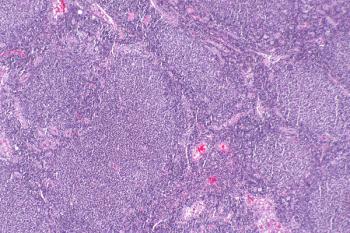
The FDA approved epcoritamab with rituximab and lenalidomide for relapsed follicular lymphoma, offering a promising fixed-duration treatment option for patients after their first relapse.

The FDA approved ziftomenib for relapsed acute myeloid leukemia with NPM1 mutations, offering hope for high-risk patients.

Raj Chovatiya, MD, PhD, MSCI, explains how addressing the most burdensome components of chronic hand eczema can improve overall health.

The FDA approved daratumumab and hyaluronidase-fihj (Darzalex Faspro), offering a new treatment for high-risk smoldering multiple myeloma.

Clinical trials show significant symptom improvement and potential for remission, with a safety profile similar to placebo.

The FDA has expanded sotatercept's indications for pulmonary arterial hypertension, following data showing significant drops in hospitalization and mortality risks.
The FDA approved revumenib for relapsed/refractory (R/R) acute myeloid leukemia, offering a new targeted therapy option for patients with NPM1 mutations.
Elinzanetant offers a new hormone-free solution for managing menopause-related hot flashes, targeting the root cause of vasomotor symptoms.
This timeline highlights 5 key dates in September when the FDA approved treatments for cancers, dermatologic conditions, and rare diseases.

Belantamab mafodotin provides a community-friendly BCMA-directed therapy option for relapsed/refractory myeloma, says Hearn Jay Cho, MD, PhD.