

OCM showed no increased likelihood of starting systemic therapy in patients with newly diagnosed cancers, despite gains in poor-prognosis cases.

Brooke is an associate editor for The American Journal of Managed Care® (AJMC®). She joined AJMC in 2023, where she produces content covering multiple disease states.
She has a BA in journalism from Seton Hall University. You can connect with Brooke on LinkedIn.
OCM showed no increased likelihood of starting systemic therapy in patients with newly diagnosed cancers, despite gains in poor-prognosis cases.

The weekly anifrolumab autoinjector for systemic lupus erythematosus enables at-home use and improves convenience on top of standard therapy.

Nicole A. Caffiero, PharmD, MBA, BCACP, concluded AMCP 2026 by highlighting key themes shaping the specialty drug market.

PFAS exposure, especially PFDA, was linked to higher nonmelanoma skin cancer odds, with stronger effects observed in older adults.

Young-onset CRC mortality rose over 3 decades in the US, largely among adults with lower educational attainment, widening socioeconomic gaps.

Food insecurity remains among children above SNAP limits, highlighting broad-based categorical eligibility gaps that exclude at-risk families just over eligibility thresholds.

A new study finds that highly lethal cancers receive less research support than lower-risk cancers.

Experts at AMCP 2026 urged smarter oncology management amid rising costs, complex therapies, and fragmented oversight across plans.

During an afternoon AMCP 2026 session, experts called for integrated clinical and payer care models to combat rising metabolic disease prevalence, costs, and complexity.

An AMCP 2026 session emphasized the need to shift to workflow-integrated AI by 2030 and stressed the importance of governance, trust, and scalable implementation.

Experts at AMCP 2026 outlined volatility across the health care landscape that may impact the upcoming midterm elections.

Two posters presented at AMCP 2026 found low dry eye disease (DED) treatment uptake and frequent discontinuation among Medicare patients, whereas comorbid DED did not affect glaucoma adherence.

Two posters presented at AMCP 2026 suggest improving GLP-1 adherence and access may enhance outcomes and lower obesity-related costs.

Housing and transportation barriers were linked to lower CRC screening rates, especially among adults aged 50 to 64.

Health care professionals will gather in Nashville next week for AMCP 2026 to discuss key topics in the space, including AI use and medication access.

Two AAD 2026 posters highlight persistent melanoma disparities: men have worse survival, whereas minority patients are less likely to receive home or hospice end-of-life care.
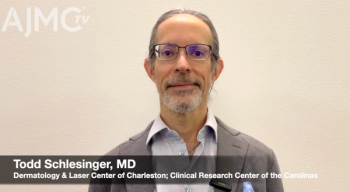
Proactive adverse effect management helps patients with skin cancer stay on treatment longer, according to Todd Schlesinger, MD.

Continuing conversations from last year, experts at the AAD Annual Meeting in Denver weighed the pros and cons of teledermatology and AI.
The FDA's March 2026 approvals marked significant regulatory milestones across multiple disease states.

This morning, experts delivered "short and sweet" updates on treatment strategies for common dermatologic conditions.

Experts at the 2026 AAD Annual Meeting urged dermatologists to engage in advocacy to protect practices and patient access amid growing challenges.

Two posters demonstrated povorcitinib's durable 54-week efficacy and a favorable safety profile in moderate to severe HS, including patients previously on anti-TNF therapy.

Experts at the 2026 AAD Annual Meeting noted that, together, PCP support, community outreach, and teledermatology help reduce care gaps.

Experts at the 2026 AAD Annual Meeting explained that teledermatology helps dermatologists manage their workload and expand patient access beyond traditional in-person care.

Ruxolitinib cream can meaningfully improve skin repigmentation and QOL for patients with vitiligo, but its full benefit depends on improved patient education, guidance, and support for consistent, long-term use.

This year's meeting in Denver, Colorado, features more than 275 sessions, including 40 new offerings, and a fireside chat with EGOT winner John Legend.
Industry payments to cardiologists are linked to higher Medicare spending, with $10,000 in payments tied to $14.10 more per beneficiary.
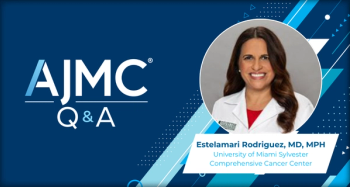
Subcutaneous amivantamab offers faster treatment, fewer infusion reactions, and improved convenience for patients with EGFR-mutated NSCLC, says Estelamari Rodriguez, MD, MPH.

Although they covered diverse topics across the cancer continuum, the event’s 4 panel discussions shared a common focus on advancing more equitable and coordinated care.

Insulin affordability improved for Medicare Part D beneficiaries between 2019 and 2023, with more paying $35 or less for a 30-day supply.