Adding metformin to the insulin regimen for pregnant patients with preexisting type 2 diabetes (T2D) or gestational diabetes diagnosed early in pregnancy did not reduce the risk of neonatal adverse outcomes.

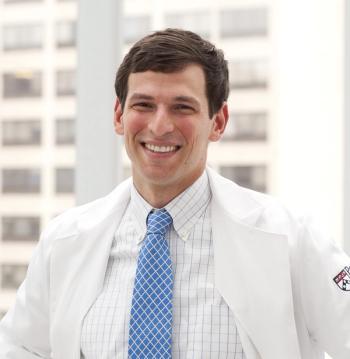
Hayden is an associate editor for The American Journal of Managed Care® (AJMC®). She joined the AJMC team in 2021, where she produces written and video content covering multiple disease states.
She has a BA in journalism & media studies from Rutgers University. You can connect with Hayden on LinkedIn.

Adding metformin to the insulin regimen for pregnant patients with preexisting type 2 diabetes (T2D) or gestational diabetes diagnosed early in pregnancy did not reduce the risk of neonatal adverse outcomes.

Mona Shahriari, MD, assistant clinical professor of dermatology at Yale University and associate director of clinical trials at Central Connecticut Dermatology, discusses how dermatologists and clinicians can work towards increasing diversity and inclusion in treating patients with skin of color with plaque psoriasis.

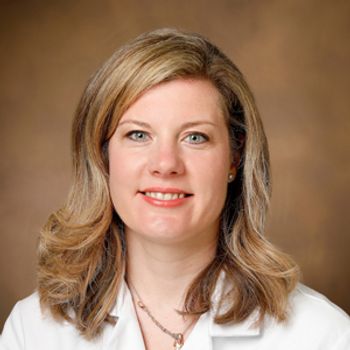
Cardiologists need skills in risk assessment, contraception counseling, and hypertension management for pregnant patients, according to Kathryn Lindley, MD, FACC, Vanderbilt University Medical Center.

The DETERMINE-Reduced and DETERMINE-Preserved trials demonstrated varying benefits of dapagliflozin on Kansas City Cardiomyopathy Questionnaire Total Symptom Score and Physical Limitation Scale as well as 6-minute walk distance.

Overall, the number of patients discharged from hospitals with an ulcerative colitis diagnosis increased between 2009 and 2018, but the number of patients opting for ileal pouch–anal anastomosis (IPAA) decreased.

Despite an initial drop in estimated glomerular filtration rate (eGFR) after 1 month of dapagliflozin, researchers say this is not associated with subsequent risk of cardiovascular or kidney events for patients with heart failure with mildly reduced ejection fraction (HFmrEF) or preserved ejection fraction (HFpEF).

Adults with type 2 diabetes (T2D) undergoing endocrinology care are more likely to experience less favorable hemoglobin A1c improvements if they only use telemedicine compared with patients using in-person care or a mix of both.

Kathryn Lindley, MD, FACC, Vanderbilt University Medical Center, talks about why it’s important to incorporate cardio-obstetrics training into cardiovascular disease fellowship programs.

The highest incidence of pediatric type 1 diabetes (T1D) over the past 22 years was seen in Finland, high-income North American regions, and children aged 5 to 14 years.

Alvaro Pascual-Leone, MD, PhD, addresses the role of the gene variant APOE4 in Alzheimer disease and dementia, noting its influence on risk factors and the significance of early diagnosis for effective intervention across all racial groups.

High Bone Morphogenetic Protein 7 (BMP7) expression was significantly associated with aggressive phenotypes, including advanced grade, International Federation of Gynecology and Obstetrics stage, residual disease, and adverse overall survival.

Researchers identified a value of at least 0.25 to be a minimal clinically important difference (MCID) in diabetes distress, and MCID values of 0.38 and 0.39 for emotional and interpersonal distress subscales and physician and regimen distress subscales, respectively.

Raj Chovatiya, MD, PhD, assistant professor of dermatology at Northwestern University's Feinberg School of Medicine, discussed type 2 inflammation in atopic dermatitis, prurigo nodularis, and chronic spontaneous urticaria.

Geri Landman, MD, MPH, cofounder and chair of Moonshots for Unicorns, talks about how the lack of government funding for PGAP3 research led her to take it upon herself to work toward a cure for her daughter.

Chase Hendrickson, MD, MPH, Vanderbilt University Medical Center, attributes gaps in continuous glucose monitoring (CGM) prescribing rates to patient demographics, endocrinologists' longer familiarity with the technology, and the availability of ancillary support in endocrine clinics.

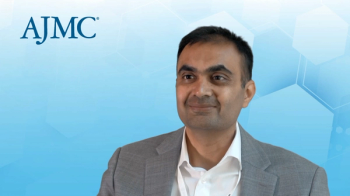
Amitkumar Mehta, MD, MBA, associate professor of medicine and director of the lymphoma and chimeric antigen receptor (CAR) T-cell therapy programs, University of Alabama at Birmingham, highlights the need for novel therapy approaches for patients with high-risk mantle cell lymphoma (MCL).

Researchers noted that it remains unclear whether cytomegalovirus (CMV) infection is a specific cause of worsened cancer-related cognitive impairment (CRCI), or if it is a biomarker for immune suppression.

The study also identified similar 12-month outcomes between torsemide and furosemide regardless of heart failure (HF) type.

Plasma ceramides and sphingomyelins with palmitic acid were linked to a 34% and 37% increased risk of sudden cardiac death (SCD) per higher SD of log sphingolipid levels, respectively.

The tool assesses the risk of heart attack, stroke, and, for the first time, heart failure, offering a more comprehensive perspective on cardiovascular health.

According to researchers, the most prevalent risk factors in children with type 1 spinal muscular atrophy (SMA) are hypercalciuria and elevated urine specific gravity.

New research highlighted how aspirin is unnecessary in antithrombotic regimens for patients with advanced heart failure and fully magnetically levitated left ventricular assist devices (LVADs).

An artificial intelligence (AI)–based prediction model correctly predicted outcomes for 78% of patients with high-grade serous ovarian carcinoma, with an accuracy of 80%.

With the recent development of various new treatments, April Armstrong, MD, MPH, discusses the new standards she and other dermatologists hope to set for treating patients with atopic dermatitis (AD).

These new findings are important as α-blockers (ABs) are the most prescribed class of medications for patients with benign prostatic hyperplasia (BPH), but the cardiovascular safety profile of this treatment is not well understood for this patient population.

The strongest associations between diabetes and colorectal cancer risk were observed in participants with a recent diabetes diagnosis and those who had not undergone recent colonoscopy, underscoring the significance of cancer screening.

Natasha Halasa, MD, MPH, Vanderbilt University Medical Center, discusses the most pressing diarrheal illness challenges and successful strategies physicians can use to reduce this burden in patients.

Amitkumar Mehta, MD, MBA, University of Alabama at Birmingham, notes the long-term data and potential curative effects of chimeric antigen receptor (CAR) T-cell therapy, while expressing optimism about bispecific therapy with ongoing evolution and the chance of significant patient responses.

Edward "Ted" Arrowsmith, MD, MPH, medical director for pathways at OneOncology and managing partner at Tennessee Oncology, highlights the need for trust between payers and providers, as well as finding balance in building consistent clinical pathways while prioritizing specific practice needs.

There is a lot of noise in the health care system, and oncologists need to collaborate and decide on common shared goals, said Lucy Langer, MD, MSHS, national medical director of oncology and genomics at UnitedHealthcare.

259 Prospect Plains Rd, Bldg H
Cranbury, NJ 08512
© 2025 MJH Life Sciences®
All rights reserved.