

There are many drugs that have been around for years and others with strong data awaiting FDA approval that are beneficial in treating conditions like atopic dermatitis and alopecia areata, said James Q. Del Rosso, DO.

Hayden is an associate editor for The American Journal of Managed Care® (AJMC®). She joined the AJMC team in 2021, where she produces written and video content covering multiple disease states.
She has a BA in journalism & media studies from Rutgers University. You can connect with Hayden on LinkedIn.
There are many drugs that have been around for years and others with strong data awaiting FDA approval that are beneficial in treating conditions like atopic dermatitis and alopecia areata, said James Q. Del Rosso, DO.

Researchers noted that adverse pregnancy outcomes are more of an indicator of pre-pregnancy cardiovascular risk rather than a primary cause of postpartum risk.


Atopic dermatitis, psoriasis, and hidradenitis suppurativa (HS) can present differently in diverse patients, potentially leading to delayed diagnosis and therefore delayed treatment, explained James Song, MD, director of clinical research and associate chief medical officer at Frontier Dermatology.

New research found that people who routinely eat high amounts of red meat have a 62% higher risk of developing type 2 diabetes, supporting dietary recommendations to limit red meat consumption.

The FDA approval of topical ruxolitinib 1.5% cream changed the game for vitiligo treatment in both adult and pediatric patients, said Raj Chovatiya, MD, PhD, assistant professor of dermatology at Northwestern University's Feinberg School of Medicine.
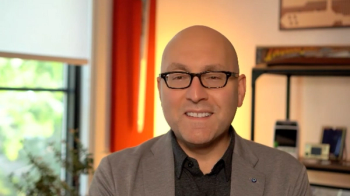
Peter A. Lio, MD, clinical assistant professor of dermatology and pediatrics at Northwestern University's Feinberg School of Medicine, addresses how dermatologists need to focus on patient needs when determining the best use of new biologics in moderate to severe atopic dermatitis.

Janus kinase (JAK) inhibitors are not only efficacious in terms of skin disease improvement, but also in terms of itch management, explained Mona Shahriari, MD, assistant clinical professor of dermatology at Yale University and associate director of clinical trials at Central Connecticut Dermatology.

The landscape for biologics to treat patients with psoriasis looks excellent, said April Armstrong, MD, MPH, professor and chief of dermatology at UCLA.
Peter A. Lio, MD, clinical assistant professor of dermatology and pediatrics at Northwestern University Feinberg School of Medicine, gives a preview of his session on mild to moderate atopic dermatitis (AD) in skin of color.

Positive results from STEP-HFpEF indicate that semaglutide can improve quality of life and functional capacity in patients with obesity-related heart failure with preserved ejection fraction (HFpEF), but large outcomes trials are needed to confirm this, said Javed Butler, MD, MPH, MBA.

The preoperative risk assessment algorithm can identify ovarian lesions with a strong likelihood of being non-cancerous and suitable for ovary-preserving surgery.

Fabric Health is transforming laundry time into an opportunity for community well-being, engaging families in laundromats to address health needs and connecting them with health care experts and needed social services. Adaptable and problem-solving oriented, the social-impact startup helps to bridge pandemic-exacerbated disparities by meeting people where they are, fostering health equity.

Ischemic and coronary heart disease were the 2 major cardiovascular disease (CVD) subtypes contributing to hospital admissions among patients with diabetes.

Steven Deitelzweig, MD, system chairman of hospital medicine at Ochsner Clinical School, professor of medicine at the University of Queensland, discusses key findings from a recent study on the accuracy of atrial fibrillation detection devices.

Despite improvements, hospitals struggle to meet prepandemic standards in door-to-balloon time.
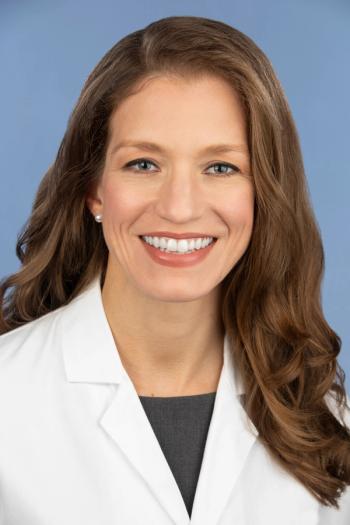
More ovarian cancer drug approvals and treatments have become available since 2014 than in the preceding 60 years combined, emphasized Rebecca Brooks, MD, UC Davis Health.

Shrilla Banerjee, MD, FRCP, consultant cardiologist, Surrey and Sussex Healthcare NHS Trust, shares what politicians and clinical trialists can do to help mitigate cardiovascular health disparities.

The cohort study focused on annual incidence, prevalence, and mortality linked to a number of cardiovascular conditions between 2015 and 2019.
Family history is probably the biggest risk factor that patients need to know about, said Rebecca Brooks, MD, UC Davis Health.

The findings of DICTATE-AHF have several implications for cardiologists treating patients with type 2 diabetes, said Zachary Cox, PharmD, professor at Lipscomb University College of Pharmacy.

As of November 2022, the Pittsburgh Financial Empowerment Center has helped 1227 clients, saved them over $2 million, and helped reduce their debt by almost $3.5 million. Counselor Alicia Donner discusses how the organization not only provides financial assistance but also helps patients cope with unexpected health care expenses.

Women with ovarian, breast, skin, and uterine cancers were found to have significantly higher levels of per- and polyfluoroalkyl substances (PFAS), phenols, and parabens in their bodies.

The treatment combined adoptive T-cell therapy with a personalized cancer vaccine and was found to be safe in a small cohort of 17 patients.

This approval marks the fourth endorsement by the FDA for empagliflozin, all of which have been linked to the EMPOWER program.

While B-type natriuretic peptide (BNP) levels remain high in patients with end-stage heart failure with cardiogenic shock, these levels lose their prognostic value in patients using ventricular assist devices (VADs).

A tailored electronic health record (EHR) alert system did not significantly increase the prescription of guideline-directed medical therapies (GDMT) at hospital discharge for patients with acute heart failure (AHF).

If clinicians empower individuals by giving them the appropriate tools and education to promote brain health, it can make a big difference, said Alvaro Pascual-Leone, MD, PhD.

The UPMC Health Plan Neighborhood Center, which first opened its doors in December 2022, offers a wide array of services to support plan members and others living in the community.

Patients now have higher expectations of us health care professionals, and we have to meet those expectations, said Donna Fitzsimons, PhD, FESC, professor of nursing at the School of Nursing and Midwifery, Queen's University Belfast.