
Brian MacDonald, PharmD, senior director of specialty clinical strategy and innovation at Magellan Rx Management, explains how enhanced utilization management programs are implemented and can lead to cost avoidance for rare disease treatments.

Hayden is an associate editor for The American Journal of Managed Care® (AJMC®). She joined the AJMC team in 2021, where she produces written and video content covering multiple disease states.
She has a BA in journalism & media studies from Rutgers University. You can connect with Hayden on LinkedIn.
Brian MacDonald, PharmD, senior director of specialty clinical strategy and innovation at Magellan Rx Management, explains how enhanced utilization management programs are implemented and can lead to cost avoidance for rare disease treatments.
Kelly Price, US Head of Rare Disease at HRA Pharma, argues proving the value of the prescription digital therapeutic (PDT) market may lead to better coverage of PDTs.
Kevin N. Astle, PharmD, assistant professor at University of South Florida Taneja College of Pharmacy, expands on HIV pre-exposure prophylaxis (PrEP) therapies in the pipeline discussed at the Academy of Managed Care Pharmacy Nexus fall 2022 meeting.

Bhavesh Shah, RPh, BCOP, chief pharmacy officer and director of specialty and hematology/oncology pharmacy at Boston Medical Center, goes over his session to be presented at the fall meeting of AMCP Nexus 2022.

While 70% of youth engaged with the sickle cell disease (SCD) pain self-management program, only 30% of caregivers engaged with it.

Michael Thorpy, MD, director of the Sleep-Wake Disorders Center at Montefiore Medical Center and professor of neurology at Albert Einstein College of Medicine, discusses the findings and implications of his study on the efficacy of JZP-258 in patients with narcolepsy and cataplexy.

Individuals who were homozygous carriers of the PNPLA3 I148M genetic variant and reported excessive drinking and obesity had a 17.5 to 30.1 higher risk of progression to liver disease complications.

Tom Robinson, vice president of global access at JDRF, explains how to navigate the Type 1 Diabetes (T1D) Index and what data can be pulled from it.
David E. Koren, PharmD, MPH, BCPS, AAHIVP, FIDSA, infectious disease clinical pharmacist at Temple University Hospital, emphasizes the importance of patients with HIV and providers working together.

The smartphone app used data from a questionnaire and balance tests to give users an intuitive fall risk score ranging between 0 and 100, indicating low, medium, or high fall risk.
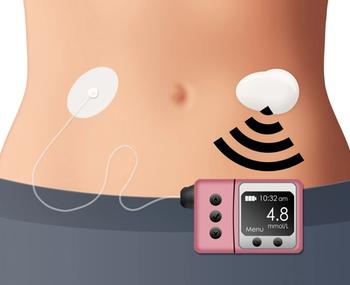
The bionic pancreas uses algorithms to continually adjust insulin doses based on the user’s needs, requiring less user input compared with other existing artificial pancreas technologies.

Results of a study among persons living with HIV (PLWH) in Hong Kong showed that a 3-dose primary COVID-19 vaccine series improved immune protection.

The Type 1 Diabetes (T1D) Index measures global T1D prevalence and provides other statistics and estimates related to the autoimmune condition.

Among individuals without metabolic-associated fatty liver disease (MAFLD), those with nonalcoholic fatty liver disease (NAFLD) had a higher risk of developing metabolic syndrome.

Urease-positive Streptococcus salivarius was the most significantly abundant gut microbiota in patients with HE.

A mobile app providing self-management action advice to patients with inflammatory arthritis (IA) was linked to significant improvements in health-related quality of life (QOL) and disease activity.

In 2040, researchers predict between 13.5 and 17.4 million type 1 diabetes (T1D) cases globally, reflecting a 60% to 107% increase in cases compared with 2021.

During the Quality Cancer Care Alliance Summer 2022 National Leadership Summit, Hatim Husain, MD, discusses how HER2 exploration in lung cancer differs from that in breast cancer, as well as novel therapies being explored for HER2 and other disease targets.
David E. Koren, PharmD, MPH, BCPS, AAHIVP, FIDSA, infectious disease clinical pharmacist at Temple University Hospital, explains the barriers both patients and providers face in implementing long-acting injectables for HIV.

Pichamol Jirapinyo, MD, MPH, director of bariatric endoscopy fellowship at Brigham and Women's Hospital, explains the implications of her study on the effects of endoscopic gastric plication on liver fibrosis in patients with nonalcoholic steatohepatitis (NASH).

The proposed multitask learning (MTL) model was developed using data from wearable devices worn by individuals in a randomized controlled trial (RCT) to predict outcomes of a depression treatment.

Children and adolescents with type 1 diabetes (T1D) saw improved quality of life (QOL) and metabolic control when using an advanced hybrid closed-loop (AHCL) insulin delivery method vs conventional therapy.

Patients with tuberculosis who used a digital medication reminder monitor had better health-related quality of life (HRQOL) and lower catastrophic costs compared with patients who used a standard therapy.

David E. Koren, PharmD, MPH, BCPS, AAHIVP, FIDSA, infectious disease clinical pharmacist at Temple University Hospital, provides an update on current preventive efforts to address the monkeypox public health emergency in the United States and what steps are needed to protect at-risk populations.

While commercial payers have been engaged with the shift to biosimilars, they all have their own preferred biosimilar, which makes it challenging for practices, explained Lalan Wilfong, MD, vice president of payer relations & practice transformation at The US Oncology Network.

Treating children with mild diabetic ketoacidosis (DKA) using subcutaneous (SC) insulin aspart was linked to lower hospital costs and better efficacy of DKA management, compared with using intravenous (IV) insulin.

Hatim Husain, MD, discusses how National Comprehensive Cancer Network (NCCN) treatment guidelines adjust to meet the treatment needs of patients with lung cancer.

Findings in a small sample of patient-caregiver dyads demonstrated high potential for a music intervention’s use in dementia care.

David E. Koren, PharmD, MPH, BCPS, AAHIVP, FIDSA, infectious disease clinical pharmacist at Temple University Hospital, discussed the risk posed by monkeypox among immunocompromised individuals and men who have sex with men, as well as the need for educational efforts to address misconceptions tied to the disease.

Compared with the use of lactulose alone, rifaximin plus lactulose can provide additional benefits in terms of increased effectiveness rate and decreased mortality in patients with hepatic encephalopathy (HE).