

The tool can help clinicians stratify patients into high-risk and low-risk categories.
Jared is a freelance writer for The American Journal of Managed Care® (AJMC®), and previously worked as a senior editor for HCPLive® at MJH Life Sciences®.
He has an MA from University of Sioux Falls. You can connect with Jared on LinkedIn.
The tool can help clinicians stratify patients into high-risk and low-risk categories.

New data underscore the long-term implications of immune-mediated thrombotic thrombocytopenic purpura (iTTP) and atypical hemolytic-uremic syndrome (aHUS), both rare diseases.

Older age was also a risk factor for hospitalization and death in patients with myeloproliferative neoplasms (MPN) who contract COVID-19, the investigators found.

Investigators found that surgical intervention for epilepsy improves social functioning and increases the likelihood a patient will be free of seizures.

People with the inherited disease can expect to live 52.6 years following birth, the report shows.

The risk of second malignancy was similar among patients aged 66 and older who were treated with and without hydroxyurea.

Dermatologists recommended biologics at similar rates in scenarios describing Black, Hispanic, and White patients with moderate to severe psoriasis.

The patient received a diagnosis of myasthenia gravis (MG), then underwent a medical odyssey as physicians attempted to pin down the cause of his neurological symptoms.

Investigators said the Mortality in TTP Score (MITS) was effective at characterizing the risk of death in patients hospitalized with thrombotic thrombocytopenic purpura (TTP).
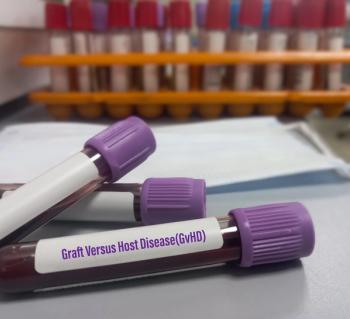
Lower levels of certain biomarkers were predictive of treatment response for graft-versus-host disease (GVHD) at day 28, investigators found.

The new report suggests patients with acetylcholine receptor (AChR) antibody titers above 8.11 nmol/L were at higher risk of conversion.

In this new analysis, investigators found significant agreement between in-person and remote assessments.

Investigators said several new anemia therapies are in development, and many of them may help wide swaths of patients.

Patients who had ruxolitinib added to their prophylactic regimens had lower rates of acute and chronic graft-versus-host disease (GVHD).

People with muscle-specific kinase myasthenia gravis appear to have more active antibody responses in general, the study found.

A new report found only about 2.8% of people with myelodysplastic syndromes (MDS) have JAK2 mutations.

The new recommendations from the World Health Organization (WHO) urge viewing the totality of evidence when evaluating biosimilar products.
The EASIX scoring system should not be used to predict outcomes following allogeneic stem cell transplantation (alloSCT) in patients with myelofibrosis.

A feasibility study shows many providers intended to continue using the tool, although some said they did not have sufficient time or did not need the tool.

The new report found polygenic risk scores likely will not help identify patients at highest risk.

The risk of death among people with primary myelofibrosis (PMF) dropped by 53% after ruxolitinib’s introduction, the study found, although the data also suggested only 8.5% of patients were prescribed the drug.

Just 26 cases have been reported in which myasthenia gravis (MG) symptoms appeared following vaccination.

While repetitive nerve stimulation (RNS) remains a mainstay of myasthenia gravis diagnosis, investigators said it does not appear to yield prognostic insights.

Features of polycythemia vera (PV) can easily be misattributed to other causes, such as iron depletion or arterial hypertension.

Overall survival, cancer-specific survival and progression-free survival were all negatively affected by elevated C-reactive protein levels, this study found.

The article suggests the inflammatory components of myasthenia gravis have been underexplored in the effort to develop new therapies.

Positive expression levels of the biomarker were more common in adenocarcinoma than in squamous cell carcinoma, among patients who had non–small cell lung cancer (NSCLC).

The study also found, however, that transplant outcomes appear to be worse for Black African American patients who have primary myelofibrosis (PMF), although the study utilized a small sample size.

Patients with myelofibrosis (MF) who achieved a spleen response while taking ruxolitinib and lost it had survival outcomes similar to patients who did not respond, according to results from a real-world study.

A different type of test may improve diagnosis for some patients with myasthenia gravis (MG).