

These findings suggest complement protein levels may be an important biomarker for type 1 diabetes.
Jared is a freelance writer for The American Journal of Managed Care® (AJMC®), and previously worked as a senior editor for HCPLive® at MJH Life Sciences®.
He has an MA from University of Sioux Falls. You can connect with Jared on LinkedIn.
These findings suggest complement protein levels may be an important biomarker for type 1 diabetes.

Ten of 13 patients with leukemic pulmonary infiltrates (LPI) and chronic lymphocytic leukemia (CLL) had single or multiple nodular/mass-like opacities, authors found.

The data also show how the economic burden of chronic lymphocytic leukemia/small lymphocytic lymphoma (CLL/SLL) is increasing.

Investigators say adolescents had difficulty adhering to the workbook-based program, but the authors said changes—and perhaps a digital format—could improve the program’s performance.

A review of recent research into myelodysplastic syndromes (MDS) shows a range of potential therapeutic targets.

Investigators found patients receiving chemotherapy had a greater risk of a secondary primary malignancy (SPM) compared with those treated with targeted therapies or those whose chronic lymphocytic leukemia (CLL) was left untreated.

About half of patients receiving the procedure did not need medication to control their blood pressure after 5 years.

The authors say their 3D model improves on results using traditional 2-dimensional approaches.

Most of the research suggests combination therapies might be the best option for many patients who have acute myeloid leukemia (AML).

Among the 10 patients in the retrospective analysis, the median overall survival after allogeneic hematopoietic stem cell transplantation (allo-HSCT) for relapsed/refractory diffuse large B-cell lymphoma (R/R DLBCL) was 21 months.

The study may help explain why some patients are more prone to relapse following a complete response to induction therapy, as indicated by measurable residual disease (MRD) status and 2017 European LeukemiaNet (ELN) criteria.

The authors suggest the phenomenon of 2 mutationally distinct diffuse large B-cell lymphomas (DLBCLs) might be more common than currently understood.
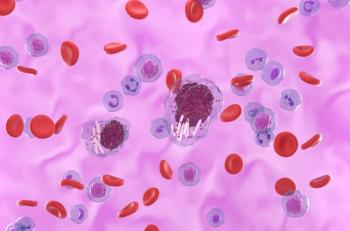
Investigators say attempts to overcome mutational resistance to Bruton’s tyrosine kinase (BTK) inhibitors have had mixed results among patients who have chronic lymphocytic leukemia (CLL).

New methods of classifying patients could pave the way for more personalized treatment approaches, a new report states.

A new report compared the blood immune repertoires of patients with chronic lymphocytic leukemia (CLL) who received chemoimmunotherapy and those who received ibrutinib.
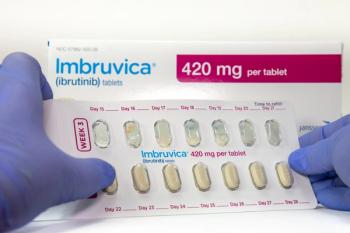
Although ibrutinib adds to the cost of treatment, its benefits over the long term justify the cost, investigators found.

Investigators said analysis of multiple tissues from the same patients suggests tumor evolution in high-grade serous ovarian cancer (HGSC) was not through somatic mutations.

Investigators say computer algorithms can be used to assess physical and vocal signs of myasthenia gravis (MG).

Full team coverage from the European Hematology Association 2023 Hybrid Congress, which took place June 8-11 in Frankfurt, Germany.

The study also found people with vitamin D deficiency had a lower mortality rate from Clostridioides difficile infection (CDI).

The study was designed to help scientists better understand how to prevent in-hospital transmission of Clostridioides difficile.

Committees have worked for the past 4 years to develop uniform definitions of immunotherapy resistance, but they are not yet universally used.

Investigators said the fact that their patient was 82 years old was one reason to suspect fluid overload–associated large B-cell lymphoma (LBCL).

The greatest reduction in skeletal muscle mass was in the lower extremities, a new report shows.

By giving their patient the correct diagnosis, clinicians avoided costlier treatments for thrombotic thrombocytopenic purpura (TTP) like plasmapheresis.

Investigators say their research could open new avenues of investigation into Chagas disease, the often-neglected tropical disease.

Barriers to acceptance included privacy concerns and fears about the possibility of misinterpretation of messages.

Congenital thrombotic thrombocytopenic purpura (TTP), an ultra-rare disease, can significantly impact quality of life, but clinicians have previously lacked a disease-specific way to track experiences via patient-reported outcomes (PROs).

Fewer patients opt to skip therapy for their multiple myeloma (MM) despite progressive disease than previously thought, a new study suggests.

Highly resourced accountable care organizations (ACOs) were more likely to offer digital health services.