

Patients with a high tumor burden score had poorer outcomes following microwave ablation, the investigators found.
Jared is a freelance writer for The American Journal of Managed Care® (AJMC®), and previously worked as a senior editor for HCPLive® at MJH Life Sciences®.
He has an MA from University of Sioux Falls. You can connect with Jared on LinkedIn.
Patients with a high tumor burden score had poorer outcomes following microwave ablation, the investigators found.

Forced oscillation technique (FOT) can enhance early detection and management of progressive pulmonary fibrosis.
Machine learning identifies key biomarkers predicting hydroxyurea resistance in polycythemia vera, enhancing early treatment strategies and patient outcomes.

Many studies have examined how rheumatoid arthritis therapy affects the risk of metabolic comorbidities.

Downstaging and bridging strategies are changing how hepatocellular carcinoma (HCC) is treated.

Efforts to more precisely select appropriate therapy for individual patients with rheumatoid arthritis have not yet yielded a clear-cut strategy, a new review finds.

New research suggests classical biomarkers cannot discriminate between refractory and non-refractory rheumatoid arthritis.
Minimal residual disease (MRD)-guided triple therapy showed promising results for relapsed chronic lymphocytic leukemia (CLL), achieving high rates of undetectable disease and prolonged survival.
Cardiovascular risk factors increase the risk of arterial and venous thrombosis in patients with myeloproliferative neoplasms, a study found.

Previous work had suggested pausing Bruton tyrosine kinase (BTK) inhibitors before COVID-19 vaccination might boost immunity in patients with chronic lymphocytic leukemia (CLL).

Recurrence-free survival rates were similar, even when patients quit adjuvant immunotherapy early, according to a new report.
Progression-free survival improvement and drug costs make zanubrutinib a more cost-effective option in relapsed or refractory chronic lymphocytic leukemia (CLL), new research suggests.

The immunotherapy improved outcomes compared with standard chemotherapy in the global Phase 3 DeLLphi-304 trial.
Investigators highlighted Raman spectroscopy, a noninvasive diagnostic technology that could lead to faster, earlier detection of skin cancer.

Patients with chronic lymphocytic leukemia (CLL) who experience Richter transformation have a poor prognosis, but ibrutinib may help boost the efficacy of chimeric antigen receptor T-cell therapies.
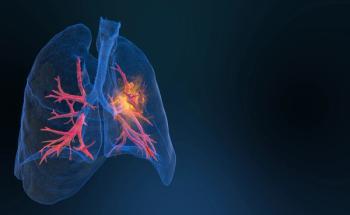
In a small study, lactotransferrin (LTF) was identified as a potentially important biomarker in extensive-stage small cell lung cancer (SCLC).
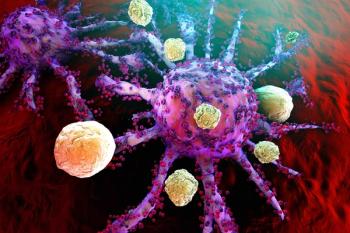
A number of recent trials have explored potential strategies for using immunotherapy in chronic lymphocytic leukemia (CLL).
Several studies have been conducted, but questions remain about where such therapies will fit into multiple myeloma treatment strategies.

The study highlights the importance of including patient self-assessment—and not just clinician assessment—when planning treatment in multiple myeloma.

The European LeukemiaNet (ELN) scoring system showed similar results to the more complicated Integrated Flow Score (iFS) for diagnosing myelodysplastic syndrome (MDS), including in low-risk patients.

Resmetirom offers a targeted approach to metabolic dysfunction–associated steatohepatitis (MASH) for use alongside lifestyle modifications.
Inclusion of female and Hispanic/Latino patients has increased over time, but most trials of metabolic dysfunction-associated steatohepatitis (MASH) still take place in high-income countries and have majority-White patient populations.

Non-Hispanic Black populations face the highest risk of death from chronic kidney disease (CKD)–associated cardiac arrest, a study found.
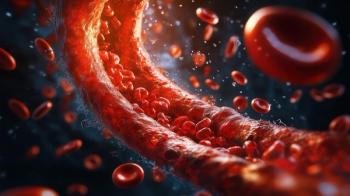
Investigators used 4D flow cardiovascular magnetic resonance imaging to search for differences between pulmonary artery (PA) remodeling in pulmonary arterial hypertension and other types of pulmonary hypertension.

Patients who did not complete a distress screener were also less likely to receive autologous stem cell transplants.

Combining BET inhibitors and PARP inhibitors might help patients resistant to chemotherapy, the study suggests.

The study could open the door to potential novel therapeutic targets.
Investigators found that lipid metabolism disruptions spark T-cell dysfunction in patients with chronic lymphocytic leukemia.

Men with melanoma tend to be diagnosed later and have worse outcomes. Artificial intelligence can help change that, a review suggests.

New data suggest venetoclax may offset the negative prognostic impact of short telomeres in patients with chronic lymphocytic leukemia (CLL).