

Closing the gap between CKD detection and treatment requires aligned screening, streamlined pathways, and equitable access to proven therapies.
Closing the gap between CKD detection and treatment requires aligned screening, streamlined pathways, and equitable access to proven therapies.

Community oncology practices face major infrastructure and reimbursement gaps when delivering bispecific antibodies.

Clinicians gathered in Houston, Texas, to examine how newer drug options are reshaping cardiometabolic care and how integrated health systems can put evidence into practice.

Phase 3 trials show bepirovirsen delivers ~20% functional cure in chronic hepatitis B in just 24 weeks.

Pulmonary rehabilitation boosts respiratory strength, the 6-minute walking test, and quality of life in children despite unchanged spirometry.

DELTA 2 data show topical delgocitinib for chronic hand eczema delivers minimal systemic absorption even under maximal-use conditions.
Resmetirom boosts MASH cardiovascular protection, lowering LDL cholesterol and Lp(a) even on statins, and pushes routine Lp(a) testing.
A newly approved inhaled insulin expands treatment options for kids with diabetes, offering an alternative to daily injections and pump systems.

Week 96 SOLSTICE data show tobevibart plus elebsiran deepens durable hepatitis D virus (HDV) and HBsAg suppression, beating monotherapy.
Elliot Tapper, MD, explains how digital health, precise screening, and direct hepatology care can treat alcohol-associated liver disease and mental health.
Re-engagement rates for patients with hepatitis B lost to follow-up range from 2% to 100% globally, with proximity to patients driving the best outcomes.

Low risk stratification rates are fueling a looming MASH cost crisis, but earlier treatment access could bend the curve, said Zobair M. Younossi, MD.
Meena Bansal, MD, discusses the evolving MASH pipeline and why precision phenotyping, biomarkers, and cardiovascular outcomes data remain critical gaps.

Phase 2 data for DD01 and pemvidutide show liver-directed MASH benefits beyond weight loss, with strong tolerability heading into phase 3.

Insured patients paying over $15 in generic drug co-pays may save more buying direct through a direct-to-consumer pharmacy like Cost Plus Drugs


Simple FNI labs pinpoint high‑mortality MASLD fibrosis in type 2 diabetes, challenging FIB‑4 and sharpening MASH liver disease screening.

Chronic hand eczema care is marked by high costs, fragmented treatment, and a clinical overreliance on steroids.

Financial toxicity independently predicts a lower quality of life for patients with HS, with greater disease severity and biologic use driving the strain.

After vitiligo diagnosis, many patients remain untreated and switch quickly between therapies, according to new data on treatment patterns.

Community oncology can navigate bispecific therapy rollout with staff training, clear handoffs, and reliable reimbursement, said Lekan Ajayi, PharmD.

Black patients with breast cancer face cost, limited representation, and textured-hair concerns that reduce scalp-cooling use to prevent hair loss.
Community oncology grapples with the logistics of bispecifics with step-up dosing straining staff and reimbursement, said Lekan Ajayi, PharmD.

In psoriatic arthritis, high BMI and smoking raise disease activity, while weight-focused lifestyle changes improve treat-to-target odds at one year.

Bepirovirsen data show the potential for a functional cure for chronic hepatitis B by lowering HBsAg and boosting immune control.
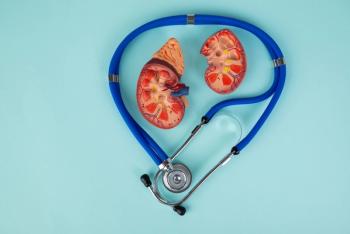
New data show how systemic inflammation independently raises the risk of CKD progression and cardiovascular events after acute myocardial infarction.
Advanced therapies are pressuring reimbursement and necessitating real-world durability data and new payment models, said Fran Gregory, PharmD.
Pharmacy innovation—from automation to cell and gene therapy—has moved from future promise to present reality, says Cencora's Ryan Telford, PharmD.
As pricing reforms like Most Favored Nation reshape global drug launches, patients may ultimately pay the highest price, said Dee Chaudhary of Clarivate.
Drug pricing transparency and easy discounts cut abandoned prescriptions, as federal policies put pressure on pharma, says Laura Jensen of GoodRx.