

The limited data on heart failure (HF)-related mortality among young adults, those aged 15 to 44 years, prompted this analysis of data from 1999 to 2019 that considered HF as a contributing or underlying cause of death.

Maggie is a lead editor for The American Journal of Managed Care® (AJMC®), AJMC.com, and Evidence-Based Oncology, for which she produces written, video, and podcast content covering several disease states. She joined AJMC® in 2019, and she has been with AJMC®’s parent company, MJH Life Sciences®, since 2014, when she started as a copy editor.
She has a BA in English from Penn State University. You can connect with Maggie on LinkedIn.
The limited data on heart failure (HF)-related mortality among young adults, those aged 15 to 44 years, prompted this analysis of data from 1999 to 2019 that considered HF as a contributing or underlying cause of death.
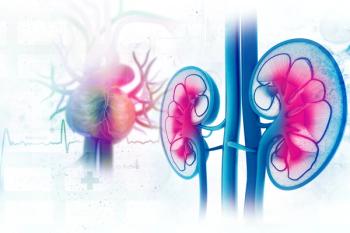
According to the study authors, acute decompensated pulmonary hypertension (PH) is often accompanied by systemic congestion and right ventricular flow output, and because PH can be accompanied by acute kidney injury, renal replacement therapy (RRT) may be necessary.

The risks of 4 types of skin cancers were investigated among patients who have neurofibromatosis type 1, a multisystem autosomal dominant genetic syndrome characterized by loss of neurofibromin.

Despite known racial disparities in access to advanced heart failure (HF) treatments, the reasons for this continue to require further exploration. In this new study, investigators searched for associations between ventricular assist device use and heart transplant and race (Black or White).

The goal of this new study was to gain more information on the disease burden, including costs, of patients living with chronic rhinosinusitis with nasal polyps (CRSwNP).

Patients may be able to forgo radiation following use of cemiplimab to treat their resectable cutaneous squamous cell carcinoma (cSCC), as it is likely to demonstrate significant improvement in quality of life (QOL) for patients and enable less invasive surgeries, noted Neil D. Gross, MD, FACS, head and neck surgeon and director of clinical research in the Department of Head and Neck Surgery at The University of Texas MD Anderson Cancer Center.

Although group 1 pulmonary arterial hypertension (PAH) with comorbid syncope has been linked to a poor prognosis among adults, this relationship remains uncertain in pediatric patients, prompting a new study.

There is potential impact on the heart, coronary arteries, and heart function following radiation to the left side of the body, explained Amresh Raina, MD, director of the Advanced Heart Failure and Pulmonary Hypertension Program at Allegheny General Hospital and the Allegheny Health Network in Pittsburgh, Pennsylvania.

Patients have to always come first, and technology can enhance their care experience, stated Anne Marie F. Rainey, MSN, RN, CHC, director of quality and value-based care at Clearview Cancer Institute.
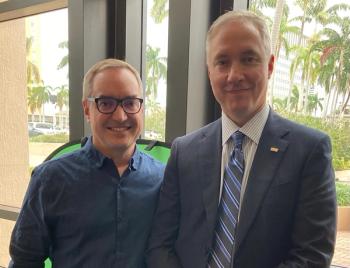
On day 1 of this year’s Association of Community Cancer Centers’ (ACCC) National Oncology Conference, The American Journal of Managed Care® sat down for a conversation with David Penberthy, MD, MBA, ACCC’s president for the 2022-2023 term, and his brother Scott Penberthy, PhD, MS, director, Applied AI, Office of the CTO, at Google.

There have been many silver linings of the pandemic, including improvements in financial, operational, and clinical advancement efficiencies, as well as addressing the total cost of care in population health management, said Mike Koroscik, MBA, MHA, vice president of oncology, Allina Health and the Allina Health Cancer Institute.
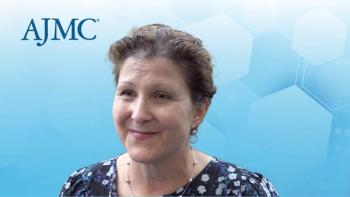
It’s important that patients are the healthiest they can be when going into treatment for cancer, emphasized Debra Delaney, MSN, FNP-BC, primary care nurse practitioner at ChristianaCare’s Helen F. Graham Cancer Center & Research Institute.

Much of artificial intelligence (AI) is now being used in the more mundane areas of health care, figuring out where to be most helpful, so doctors can do what they do best, which is diagnostic care, noted Scott Penberthy, PhD, MS, director, Applied AI, Office of the CTO, at Google.

Investigators for this study analyzed outcomes among patients hospitalized with pulmonary arterial hypertension (PAH) who have higher risks of adverse health outcomes, in particular sepsis and septic shock.

Leana Cabrera Chien, MSN, RN, GCNS-BC, GNP-BC, is a geriatric nurse practitioner at City of Hope, working in its Aging Wellness Clinic.

Carmen Guerra, MD, MSCE, FACP, is a general internist and professor of medicine at the University of Pennsylvania's Perelman School of Medicine.

The impact of the COVID-19 pandemic on pediatric heart transplant waiting list times was evaluated in this new study that used data from the United Network for Organ Sharing.

The effect of dupilumab was investigated among patients with severe and uncontrolled chronic rhinosinusitis with nasal polyps (CRSwNP).

Electrochemotherapy in basal cell carcinoma (BCC) was evaluated for its utilization practicality, efficacy, and safety, as well as factors that may predict disease response to the treatment.
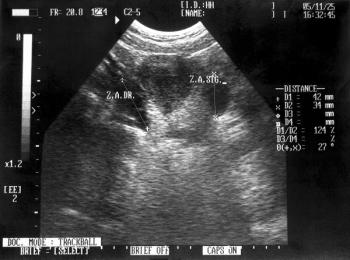
This study evaluated pregnancy-related outcomes among women with pulmonary hypertension (PH) ranging from mild to severe in disease severity.

Outcomes following a heart attack, or myocardial infarction (MI), were assessed among a large patient population in Ontario, Canada.

Despite extensive study, eosinophilic chronic rhinosinusitis (ECRS) remains a significant health problem with few effective treatments, so this study compared periostin levels among those who did and did not have ECRS to assess its potential as a disease biomarker.
Amresh Raina, MD, director of the Advanced Heart Failure and Pulmonary Hypertension Program at Allegheny General Hospital and the Allegheny Health Network in Pittsburgh, Pennsylvania, is a board-certified advanced heart failure cardiologist, who is also certified in echocardiography and general cardiology.
Neil D. Gross, MD, FACS, is head and neck surgeon and director of clinical research in the Department of Head and Neck Surgery at MD Anderson.

Co-hosted by Memorial Sloan Kettering Cancer Center, the most recent Institute for Value-Based Medicine® event took place on September 22, with a focus on improving cancer care delivery through innovation.

Researchers investigated potential risk factors for the higher occurrence of asthma among individuals who have chronic rhinosinusitis with nasal polyps (CRSwNP).
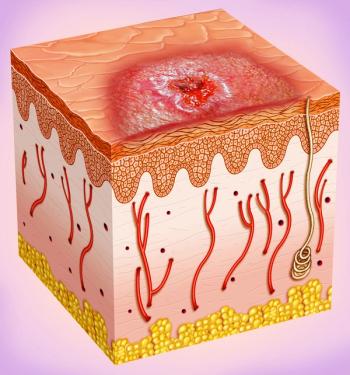
This new study explored the diagnostic utility and accuracy of 2-photon fluorescence microscopy (TPFM) among nonmelanoma skin cancers, which included basal cell carcinoma and squamous cell carcinoma.

This potential outcome was particularly evident among study participants who had heart failure (HF) with preserved ejection fraction, a subtype of HF with few therapeutic options.

With a high recurrence rate following surgery to treat chronic sinusitis with nasal polyps, authors set out to investigate the effectiveness and safety of endoscopic sinus surgery (ESS) in a pediatric patient population.

Outcomes following right heart catheterization in a pediatric patient population were analyzed, with emphasis placed on risk of adverse outcomes following the procedure, especially the development of pulmonary hypertensive crisis (PHC).