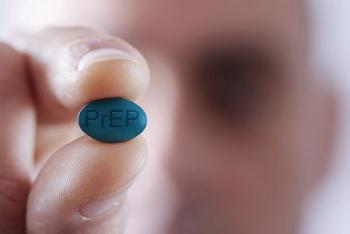
Gay, bisexual, and other men who have sex with other men (MSM) during episodes of high-risk behavior could benefit from short-term use of preexposure prophylaxis (PrEP) to lessen their chances of contracting HIV, a new study reports.

Maggie is a lead editor for The American Journal of Managed Care® (AJMC®), AJMC.com, and Evidence-Based Oncology, for which she produces written, video, and podcast content covering several disease states. She joined AJMC® in 2019, and she has been with AJMC®’s parent company, MJH Life Sciences®, since 2014, when she started as a copy editor.
She has a BA in English from Penn State University. You can connect with Maggie on LinkedIn.
Gay, bisexual, and other men who have sex with other men (MSM) during episodes of high-risk behavior could benefit from short-term use of preexposure prophylaxis (PrEP) to lessen their chances of contracting HIV, a new study reports.

Although the effects of stress and anger on ischemic heart disease and arrhythmia are well known, they are less established in heart failure, particularly those with reduced ejection fraction.
The Adjuvant Platinum and Taxane in Triple-Negative Breast Cancer trial investigated this combination adjuvant treatment vs the standard-of-care anthracycline plus docetaxel among patients with operable disease.

An investigation into the use of fingolimod as antiretroviral therapy against HIV-1 revealed 2 potential targets for the immunosuppressive drug: S1P receptors and SAMHD1, an antiviral restriction factor.

There was an almost 99% increase in the 1-year survival rate among candidates on the United Network for Organ Sharing waitlist for a heart transplant between 1987-1990 and 2011-2017.
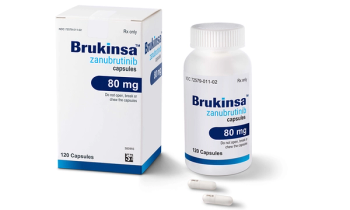
Fewer off-target effects mean second-generation BTK inhibitors offer less cardiotoxicity and allow patients to stay on them longer, increasing their efficacy.

Screening women aged 40 to 49 years for breast cancer reduced mortality by 25% in the first 10 years compared with waiting until at age 50 years and older, which is the common practice in the United Kingdom.

HIV-specific antibodies of 3 immunoglobulin isotypes are readily found in human saliva, providing a potential second reliable method of detecting the virus that may be used as a painless alternative to a blood draw.

To reduce poor outcomes from heart failure care disparities, Danish researchers probed the link between individual socioeconomic factors and care quality for patients with reduced ejection fraction.

In Italy, a study looked at reallocating resources meant for patients with breast cancer to those stricken with coronavirus disease 2019, finding that the former could benefit from fast-track awake surgery to reduce risk of cross-infection.

Of 5 HIV treatment effects evaluated in a recent study, short-term efficacy on physical activity ability and long-term efficacy on life expectancy were the top preferences for younger and older patients, respectively.

Being male and Black, having comorbidities, and admission to a nonteaching hospital were linked to greater chances of subsequent readmission for heart failure in a recent Journal of Clinical Hypertension study.

Delays in surgery to treat early-stage breast cancer and receiving neoadjuvant endocrine therapy did not decrease survival odds among female patients, authors report in the Journal of the American College of Surgeons.

A 3-year endeavor to scale up HIV prevention and education efforts among men who have sex with men in Dhaka, Bangladesh, showed only modest gains in the country where intercourse with a same-sex partner could mean a lifetime jail sentence.
Prevention and early screening efforts need to be stepped up for patients with acute heart failure who contract pneumonia while hospitalized.
Results from a phase 2 trial of pembrolizumab as immune checkpoint inhibition against 5 types of solid tumors show that circulating tumor DNA (ctDNA) may be used to accurately predict response to treatment.
Bacterial changes in the oral cavity from immunosuppression, not HIV itself, are more likely to blame for the greater incidence of oral caries in children 6 months to 6 years, reports a study from the Department of Oral Biology at the Rutgers University School of Dental Medicine.
Evidence may support a greater comorbidity burden among patients with heart failure with preserved ejection fraction (HFpEF) or reduced ejection fraction (HFrEF), although this finding was shown to be worse among women with HFpEF.

Higher-income countries are seeing their rates of premenopausal breast cancer increase faster, whereas cases of postmenopausal breast cancer are increasing in number faster in lower-income studies.

Less than 1% of all breast cancers occur in men, making this a rare disease among that patient population, and most treatment guidelines are based on outcomes and survival rates seen in women with the disease.

Results from a racially diverse clinical trial show that despite bringing palliative care to rural and minority populations with heart failure facing hurdles to accessing such care, using telehealth delivery methods to improve access does not improve the mood or quality of life of patients or their caregivers.
HIV-positive individuals with end-stage kidney disease may now have a larger pool of kidneys available to them, with recent study results from the National Institutes of Health (NIH) showing that kidneys from HIV-positive deceased donors can be used in addition to those from HIV-negative donors.
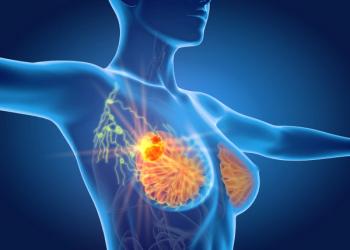
Compared with digital mammography, digital breast tomosynthesis, also called 3-dimensional (3-D) mammography, has been proven superior at effectively detecting breast cancer and leading to fewer recall visits, but more information is needed for how subgroups of women with different breast densities benefit from the screening method, especially those classified as having extremely dense breast tissue.
Researchers interviewed US specialists in an effort to see how conscious and unconscious thoughts about race and gender contributed to an unequal allocation of various treatments for heart failure.
Having health insurance, a higher level of education, and more money were associated with a greater likelihood of caregivers disclosing their HIV status in the community, either positive or negative, while being male and living in a rural location indicated a lesser likelihood, reports AIDS Research and Therapy.

Women with early-onset germline BRCA-mutated breast cancer can have subsequent pregnancies without increasing their risk for disease recurrence, according to the authors of a recent study in Journal of Clinical Oncology.

Selected abstracts in cardio-oncology, findings for AMG 510, and lurbinectedin as a second-line treatment in SCLC.
During ASCO, Janssen presented results from the CHRYSALIS study on amivantimab, a bispecific antibody being developed to treat non–small cell lung cancer (NSCLC). The pharma giant, along with its parent company, Johnson & Johnson (J&J), had previously received a breakthrough therapy designation in December for teclistamab, another bispecific antibody indicated for potential treatment of multiple myeloma.

Stigma perpetuated in a health care setting has been linked to greater odds of poor outcomes in the HIV continuum of care for antiretroviral treatment adherence and reduced viral suppression among persons living with HIV in Florida.
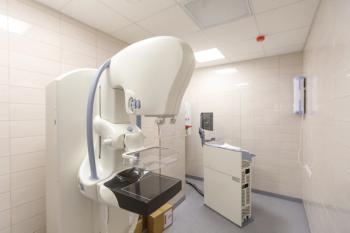
The next several years could bear witness to thousands of additional deaths from cancer that could have been prevented through routine diagnostic care that was delayed because of the coronavirus disease 2019 (COVID-19) pandemic, according to a pair of studies in The Lancet Oncology.