

Research presented at this year’s annual meeting of the Radiological Society of North America shows the possible impact of food or housing insecurity on follow-up appointments for breast cancer.

Maggie is a lead editor for The American Journal of Managed Care® (AJMC®), AJMC.com, and Evidence-Based Oncology, for which she produces written, video, and podcast content covering several disease states. She joined AJMC® in 2019, and she has been with AJMC®’s parent company, MJH Life Sciences®, since 2014, when she started as a copy editor.
She has a BA in English from Penn State University. You can connect with Maggie on LinkedIn.
Research presented at this year’s annual meeting of the Radiological Society of North America shows the possible impact of food or housing insecurity on follow-up appointments for breast cancer.

Adding daratumumab to standard-of-care regimens consistently improves outcomes among patients with multiple myeloma, noted Mark Wildgust, PhD, vice president of Global Medical Affairs/Oncology at Janssen.

The most recent data from the CDC show a 36.6% decrease in overall mortality among individuals living with HIV; despite this progress, the virus remains a leading cause of death among certain races and ethnicities.

Overdose-related cardiac arrests rose consistently in the first few months of the coronavirus disease 2019 (COVID-19) pandemic, coming in at 48.5% above baseline through August 1, according to national emergency medical services data.

Survival after breast cancer is on the rise, thereby emphasizing the importance of discussions that focus on fertility and reproduction among younger survivors.

The 5-year risk of women dying or developing heart failure following a first severe heart attack is 20% higher compared with men, according to the findings in Circulation.

Among older women with and without breast and ovarian cancers, testing for the BRCA gene dropped precipitously between 2008 and 2018.

A recent survey of UK Biobank participants showed that healthy sleep habits were associated with a possible lower risk of heart failure among adults, even after adjusting for several confounders.

Patients younger than 65 years represent close to 40% of deaths from metastatic breast cancer, yet their use of end-of-life (EOL) care has not been thoroughly investigated until now.

A poster on telehealth presented at ID Week in October attempted to identify where care advancement and improvement are needed for individuals living with HIV.

Supplemental screening for breast cancer, beyond the standard-of-care mammography, may benefit some women who have dense breast tissue.

Living in a neighborhood rife with violent crime and prostitution was linked in this recent study to worse virologic control among pregnant woman living with HIV.
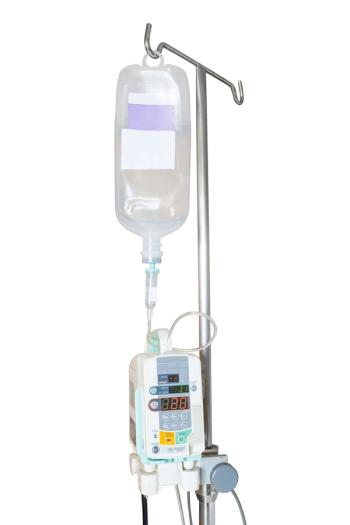
Intravenous diuretic treatment of patients with decompensated heart failure can increase urine output, promote weight loss, and improve dyspnea.

A recent study of female breast cancer survivors shows that feelings toward body image were consistently worse among those who had a bilateral mastectomy vs breast-conserving surgery.

Having node-positive, estrogen receptor–positive breast cancer indicated a greater likelihood of overall survival following chemotherapy, despite having several comorbidities, after adjustment for confounders.

Sarcopenic obesity is a condition in which obesity is accompanied by loss of muscle mass and function; the condition is common among older adults with heart failure with preserved ejection fraction (HFpEF).

Smaller babies born to mothers living with HIV are often considered “undesirable” in sub-Saharan Africa, and the mothers themselves often are blamed for this.

The novel patient-centered performance metric was associated with readmission and mortality outcomes, as well as reclassification of hospital performance, compared with a CMS 30-day metric.

Study results demonstrate the multimillion-dollar savings achieved among patients with heart failure with reduced ejection fraction (HFrEF) following treatment initiation with sacubitril and valsartan.

A poster presented at this year’s annual meeting of the American Neurological Association demonstrates a likely greater risk of early-onset Alzheimer disease among persons living with HIV.

Heart failure with reduced ejection fraction (HFrEF) is when the heart’s left ventricle can only pump out 40% or less of the blood it contains, resulting in less oxygen-rich blood being disseminated to the body than it actually needs.

A recent review in Current Diabetes Reports delves into the utility of sodium-glucose co-transporter-2 (SGLT2) inhibitors for patients with heart failure currently on other medications.

Pediatricians and pediatric HIV specialists need to coordinate their care plans for infants born with potential perinatal exposure to the virus, according to a new report from the American Academy of Pediatrics.

Patients with heart failure should be classified as high risk in light of the coronavirus disease 2019 (COVID-19) pandemic; they are thought to be more susceptible to the virus.
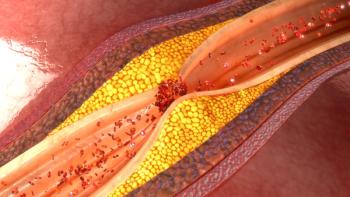
A recent study of persons with HIV shows that their HIV infection was not associated with progression of subclinical atherosclerosis.

Patients with chronic heart failure and comorbid mental/behavioral disorders or diabetes had worse quality of life (QOL), according to a recent literature review.

Younger age, poverty, recent drug use, depression, and unmet need for ancillary services were linked to lowered antiretroviral therapy (ART) adherence among HIV-positive Hispanic and Latino men who have sex with men (MSM).

At the 1-year mark, following their first myocardial infarction (MI, or heart attack), heart failure hospitalizations and all-cause mortality were higher among patients who also had cardiogenic shock vs those who did not.

Antiretroviral therapy (ART) adherence and quality of life were negatively correlated with the occurrence of major depressive disorder in people living with HIV or AIDS.

Patients hospitalized for acute heart failure during the coronavirus disease 2019 (COVID-19) pandemic had more advanced disease and were more symptomatic, according to study results out of Australia.