

In this study from Cape Town, South Africa, patients with comorbid HIV and a history of mental illness had an increased risk of mortality from all causes.

Maggie is a lead editor for The American Journal of Managed Care® (AJMC®), AJMC.com, and Evidence-Based Oncology, for which she produces written, video, and podcast content covering several disease states. She joined AJMC® in 2019, and she has been with AJMC®’s parent company, MJH Life Sciences®, since 2014, when she started as a copy editor.
She has a BA in English from Penn State University. You can connect with Maggie on LinkedIn.
In this study from Cape Town, South Africa, patients with comorbid HIV and a history of mental illness had an increased risk of mortality from all causes.

The results of a recent study out of South Korea show that diet management education appeared more important to health care providers than it did their patients, while both expressed the significance of medication knowledge.

Results from a study on Canadian women who did and did not participate in a population-based breast cancer screening program show that interval breast cancers are more aggressive and deadlier than screening-detected cancers.
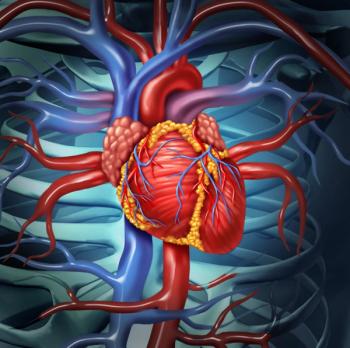
Patients testing positive for severe acute respiratory syndrome (SARS-CoV-2), the virus that causes coronavirus disease 2019, are presenting more often with signs of heart failure with preserved ejection fraction (HFpEF).
Study results presented during the virtual European Society for Medical Oncology meeting demonstrated the superiority of cemiplimab (Libtayo) plus ipilimumab vs cemiplimab monotherapy for non–small cell lung cancer.

Minority men who have sex with other men (MSM), especially Hispanic/Latino and African American/Black men, account for most new HIV diagnoses but poor care uptake.

Over a 4-year study period, the price for 30 tablets of preexposure prophylaxis (PrEP) medication increased more than 20%, potentially keeping the medication out of the hands of those most at risk for potentially contracting HIV.

Over 12.5 years of follow-up, close to 10% of participants developed incident heart failure in a recent study that investigated possible differentiation of cardiovascular (CV) risk factors and biomarkers based on sex.

Increasing their numbers could help to improve both trial enrollment diversity and improve patient outcomes, according to research published in Circulation: Heart Failure.

Data from the EMPOWER-Lung 1 trial of cemiplimab (Libtayo) monotherapy vs chemotherapy show why the fully-human monoclonal antibody could become a new treatment option for non–small cell lung cancer (NSCLC).

Despite the known benefits of antiretroviral therapy, the treatment may prove more difficult to use among clusters of patients with HIV exhibiting resistance to certain drug classes.

Aspirin is a known anti-inflammatory agent, but few studies have investigated its use among African American women to reduce the risk of breast cancer.

Differences in heart failure mortality over the previous 2 decades can partially be explained by social determinants of health prevalent in the patients’ counties.

Because men who have sex with men continue to represent a disproportionate number of annual HIV diagnoses each year, a recent study investigated the utility of remote testing and phone delivery of test results among the patient group.

A study out of Scotland has linked levels of 2 short-chain fatty acids in female patients with early-stage breast cancer to pathological complete response (pCR) to neoadjuvant chemotherapy.

Widely accepted guidelines that patients with cardiac diseases still get at least 150 minutes of exercise each week may need to adjust their accelerometer data for patients with heart failure.

Long-term study results show which mechanisms of early-onset puberty in adolescent girls may predispose them to a greater risk of developing breast cancer.

Reports of Medicare Advantage (MA) patients receiving higher-quality care for their cardiovascular disease prompted this comparison study of patients with heart failure enrolled in Medicare fee-for-service plans (FFS) and MA plans.

Study results show that among premenopausal women, adulthood second primary breast cancer may carry with it a 2-fold greater risk of death if they had undergone radiation treatment for cancer as a child or young adult.

These results show that people living with HIV may not be at greater risk of contracting coronavirus disease 2019 (COVID-19) despite being immunocompromised.

Recent results show a consistent overall prevalence of ambulatory heart failure, but that Blacks still have a greater prevalence of the condition.

With little research on the subject, the investigators sought out a connection between certain perinatal factors and risk of young-onset breast cancer in a sister-matched case-control study.

People with HIV are more likely to abuse injectable drugs, alcohol, and opioids, resulting in suboptimal adherence to care plans and delayed HIV diagnoses.
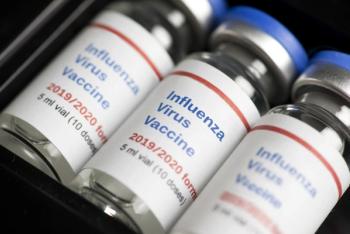
In research presented at the European Society of Cardiology 2020 Congress, vaccines for influenza and pneumonia showed effectiveness at reducing death from heart failure.

Results from a recent study in the state show how its HIV service care continuum was affected by the coronavirus disease 2019 pandemic (COVID-19), namely that more than a quarter of HIV clinics had to close completely.

Questionnaire results from the first weeks of the coronavirus disease 2019 (COVID-19) pandemic show that breast cancer treatment delays happened more often for younger vs older women.

Evidence shows a possible connection between chronic exposure to traffic noise and atherosclerosis progression, but not major cardiovascular events such as acute myocardial infarction and congestive heart failure, until now.

Results from a recent study examining thirst among patients with heart failure show that most had fluid retention and close to half were frequently thirsty, which is considered troublesome in these patients.

At diagnosis, approximately 6% of breast cancers are metastatic breast cancer (MBC), which although treatable is not curable. Experts predicted that 276,480 women and 2620 men would receive such a diagnosis in 2020.

Risks of all-cause mortality and breast cancer-specific mortality decreased when female patients followed a more anti-inflammatory diet after their diagnosis of postmenopausal invasive breast cancer.