
The Coverage2Control campaign has worked to convince payers of the value of life-saving technology and the need to control out-of-pocket costs.
Mary Caffrey is the Executive Editor for The American Journal of Managed Care® (AJMC®). She joined AJMC® in 2013 and is the primary staff editor for Evidence-Based Oncology, the multistakeholder publication that reaches 22,000+ oncology providers, policy makers and formulary decision makers. She is also part of the team that oversees speaker recruitment and panel preparations for AJMC®'s premier annual oncology meeting, Patient-Centered Oncology Care®. For more than a decade, Mary has covered ASCO, ASH, ACC and other leading scientific meetings for AJMC readers.
Mary has a BA in communications and philosophy from Loyola University New Orleans. You can connect with Mary on LinkedIn.
The Coverage2Control campaign has worked to convince payers of the value of life-saving technology and the need to control out-of-pocket costs.

Federal regulators are asking for information that will get to the bottom of how drug discounting between pharmaceutical companies and health plans affect what seniors pay at the pharmacy counter.
The evolution of the navigator role has been an important development in cancer care, according to panelists who offered various perspectives on helping patients along the cancer journey.

The first major update since 2003 was announced this week during the 2017 American Heart Association Scientific Sessions.
High chemotherapy costs are only one reason for the rising cost of cancer care. End-of-life care and hospitalizations are within an oncologist's control and must be better managed given new reimbursement structures.

FDA on Thursday authorized a faster approval path for a next-generation sequencing assay developed at Memorial Sloan Kettering Cancer Center (MSK) that represents both a scientific and regulatory breakthrough at the agency.
Reimbursement policy has been a driver of change in the way hospitals handle heart failure patients.
The findings, presented at the 2017 American Heart Association Scientific Sessions, suggest that a "precision medicine" approach to tailoring adherence strategies to individual patients may be needed, according to the study's lead author.
The analysis presented at the American Heart Association looks strictly at healthcare costs, but a broader cost-effectiveness study is planned that will consider drug costs as well as effect on patient quality of life.
Researchers presenting at the American Heart Association look at specific populations within 2 large diabetes drug trials, CANVAS and EMPA-REG OUTCOME.
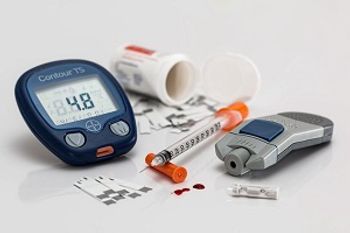
The Gallup-Sharecare Wellbeing Index released its estimate of the cost of diabetes for employers on World Diabetes Day.
The technology allows patients to send a signal to caregivers or physicians through a web-based portal.
The chair of the guidelines committee said just because it's hard to change diet and exercise habits doesn't mean doctors and patients shouldn't try.
Results from higher-risk subgroups could help clinicians target this cholesterol-fighting therapy to patients who most need it, authors of one abstract say.
While consumers must buy coverage or face penalties under the individual mandate for now, there is speculation that a Trump tax plan could remove this feature of the Affordable Care Act.

For almost all adults who come into contact with Staphylococcus aureaus, the bacteria is harmless; but for a handful of people it is the cause of a debilitating, itchy red skin rash. Researchers at Johns Hopkins School of Medicine set out to learn more about this bacteria.

Studies presented at the American College of Allergy, Asthma and Immunology Annual Scientific Meeting 2017 in Boston, Massachusetts, and published this week examine the links between early exposures and response from the immune system later in life.

Mind-body practices have increased in popularity,but the challenge of variation between teachers and classes has been a barrier to payer reimbursement.
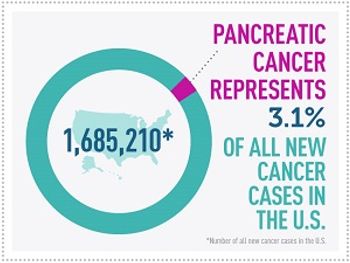
Rising rates of diabetes and obesity have been cited in the fact that pancreatic cancer is expected to be the second-leading cause of cancer death by 2020.
The report from PwC states that people who met criteria for traditional Medicaid enrolled in larger numbers after the ACA, apparently with help from navigators.
The former CMS administrator, who coined the term the Triple Aim, spoke about what he sees ahead in technology and how uncertainty is affecting the healthcare quality movement.
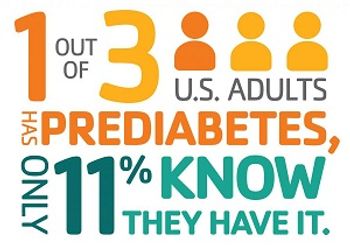
CMS officials addressed a key concern that groups offering the Diabetes Prevention Program would bear too much financial risk, but they were unmoved on requests to let beneficiaries try the program more than once in a lifetime.

The more a person is around cigarette smoke, the more likely he or she is to have atopic dermatitis.
Whether consumers use HealthCare.gov or a state exchange, this year’s enrollment cycle—the first year of Obamacare without Barack Obama—promises to be different. Some consumers will see premiums soar, while others will pay next to nothing,

Findings from the ACTION study were presented during Obesity Week.

The authors acknowledge that use of medical codes to record diagnoses is a limitation of the study.
The rule has several proposals that may be attractive to insurers in the area of risk adjustment.

Authors from a working group of the American Diabetes Association and the European Association for the Study of Diabetes made recommendations that could lead to broader use of technology. CGM systems are poised to make advances that could make them more useful to the larger group of patients with type 2 diabetes.
Sponsors of the survey want to draw attention to the mental health aspects of living with condition, which causes the immune system to overreact.