Karolinska Institutet reports ROR1 inhibitor KAN571C wipes out double‑resistant MCL after ibrutinib/venetoclax, spotlighting a promising target.
Mary Caffrey is the Executive Editor for The American Journal of Managed Care® (AJMC®). She joined AJMC® in 2013 and is the primary staff editor for Evidence-Based Oncology, the multistakeholder publication that reaches 22,000+ oncology providers, policy makers and formulary decision makers. She is also part of the team that oversees speaker recruitment and panel preparations for AJMC®'s premier annual oncology meeting, Patient-Centered Oncology Care®. For more than a decade, Mary has covered ASCO, ASH, ACC and other leading scientific meetings for AJMC readers.
Mary has a BA in communications and philosophy from Loyola University New Orleans. You can connect with Mary on LinkedIn.
Karolinska Institutet reports ROR1 inhibitor KAN571C wipes out double‑resistant MCL after ibrutinib/venetoclax, spotlighting a promising target.

Real-world DLBCL data show Incyte’s tafasitamab matches L-MIND responses across diverse Non-Hodgkin lymphoma patients, per Cardinal Health review.

An independent review of BTK inhibitors in mantle cell lymphoma finds areas are of strength both second-generation therapies, as authors call for clinical trials to inform guidelines.

NCCN survey finds universal, persistent generic drug shortages; coping tactics stretch teams as looming tariffs threaten more supply disruptions.

The action comes after an advisory panel recommended against approval, saying evidence from the did not support a “clinically meaningful benefit."

FDA approves rusfertide, a first-in-class hepcidin-mimetic for polycythemia vera, cutting phlebotomies and improving hematocrit control and QOL.

AI-driven platform boosts screening capacity 41%, cuts manual review by 75% across Ochsner's 47 hospitals and 370 clinics.

After CAR T-cell therapy relapse in mantle cell lymphoma, an antibody drug conjugate regimen adapted from DLBCL shows durable remission.
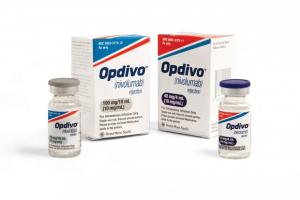
Accelerated approval is granted to RP1 plus nivolumab for advanced melanoma after PD-1 failure, following a nail-biting FDA approval process.

Matched real-world MCL data shows acalabrutinib and zanubrutinib lower atrial fibrillation vs ibrutinib, with fewer bleeding events.

The needs of the nation's 63 million caregivers are rising on the public policy agenda, as bipartisan bills appear in the Congress to offer tax credits and other support.

Navista names Jeff Hunnicutt COO, bringing in a well-known oncology leader with experience in technology and innovation at the practice level.

Coverage from the Institute for Value-Based Medicine session in Dallas, Texas, held May 21,2026.
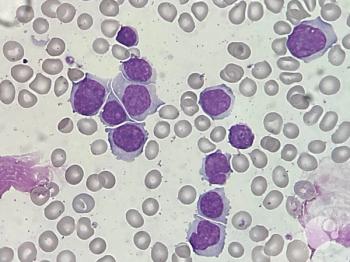
Case series suggests glofitamab bridges relapsed mantle cell lymphoma to CAR T, with strong responses and mostly low-grade CRS.

New data suggest epcoritamab plus R2 may win insurer coverage, delivering major QALY gains at approximately $68,000 and delaying costly progression.

EBMT updates mantle cell lymphoma guidance: TP53-based risk stratification drives BTK inhibitor use and CAR T therapy (Tecartus, Breyanzi), reshaping transplant timing.

FDA clears hands-free on-body injector for isatuximab in multiple myeloma, cutting treatment time and reactions while matching IV efficacy.

emtelligent turns unstructured data into coded clinical insights, powering payer and oncology workflows to improve trial screening, EHR-to-EDC transfer, and decisions.

ViroMissile shares phase 1 IDOV-Safe oncolytic virus results, showing IV activity in pMMR/MSS metastatic colorectal cancer and fueling US phase 2 plans.

At ESMO GI, Merck’s next-generation KRAS-inhibitor calderasib plus EGFR-targeting cetuximab and chemotherapy produce remarkable progression-free survival results for patients with previously untreated colorectal cancer.

SYNC-T from Syncromune delivers a 4-part localized immunotherapy regimen for metastatic prostate cancer, showing high response rates with low toxicity.

Kazia Therapeutics advances paxalisib, a dual PI3K/mTOR inhibitor, into triple-negative breast cancer, boosting immunotherapy responses with early promising data.

As CAR T-cell therapy expands into outpatient and community settings, Reimagine Care and The Center for Cancer and Blood Disorders are creating a monitoring infrastructure to support patients and caregivers alike.

Chemo-free zanubrutinib plus rituximab in phase 3 MANGROVE cuts progression/death risk 43% vs BR for frontline mantle cell lymphoma.
Reconstructed Kaplan-Meier data benchmark durability of CAR T-cell therapy, bispecific antibodies, and zanubrutinib combos for relapsed follicular lymphoma.

Community Oncology Alliance AI Playbook powers digital health practice transformation, guiding teams to choose AI partners, protect data, and expand efficient care.

As SYMPATICO publishes final data for ibrutinib–venetoclax relapsed mantle cell lymphoma, a new commentary discusses how combinations with zanubrutinib and sonrotoclax-era could take over.

Summary of Nonconsensus Discussions: Bridging the Gaps in Health Equity & Access in Multiple Myeloma | May 2, 2026, Tampa, Florida

Our annual ASCO recap issue will have a new section, "On the Horizon," featuring emerging science, therapies, and technology.

Epcoritamab shows high rates of first-line response and MRD negativity in older patients with chemo-ineligible DLBCL, whether used alone or with R-mini-CHOP.

Published: July 10th 2026 | Updated: July 11th 2026

Published: May 27th 2026 | Updated: June 10th 2026

Published: June 6th 2025 | Updated: August 18th 2025
Published: May 9th 2024 | Updated: May 21st 2024

August 3rd 2023