Mazen Noureddin, MD, MHSc

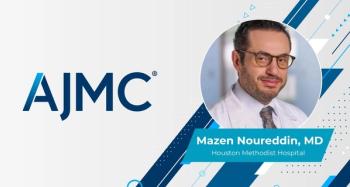
Mazen Noureddin, MD, MHSc, is a professor of medicine and a transplant hepatologist at Houston Methodist Hospital.

Articles by Mazen Noureddin, MD, MHSc

Noureddin drew on the prior Phase 2 survodutide data published in the New England Journal of Medicine, which demonstrated improvements in steatohepatitis histology and significant fibrosis reduction to contextualize the SYNCHRONIZE-1 findings, noting that MRI-based proton density fat fraction reduction has been shown to correlate with histologic improvement in steatohepatitis and fibrosis, suggesting the magnitude of liver fat reduction observed in SYNCHRONIZE-1 is a predictive surrogate for the histologic endpoints being evaluated in the ongoing Phase 3 LIVERAGE and LIVERAGE Cirrhosis trials.

Noureddin framed the emergence of dual GLP-1/glucagon receptor agonism as a significant development, placing it alongside artificial intelligence as a transformative force in medicine, noting that while GLP-1 receptor agonists have already improved the management of metabolic syndrome and generated robust data across obesity and cardiovascular outcomes, the bar has now moved higher, with tolerability, injection frequency, oral versus injectable delivery, and liver-specific activity all emerging as key differentiators among the next generation of incretin-based therapies.

Noureddin framed MASH as one that should not be viewed in isolation by hepatologists or any other specialist, but rather understood as part of a broader cardio-liver-renal metabolic syndrome that demands comprehensive, multidisciplinary management, noting that even lean individuals with elevated visceral fat and insulin resistance can develop MASLD, and that the risk increases substantially with higher BMI and the presence of type 2 diabetes, which is strongly associated with both higher MASLD prevalence and greater rates of advanced fibrosis and cirrhosis.