





Cardiovascular
Latest Content
Advertisement
Latest Videos








Advertisement
More News

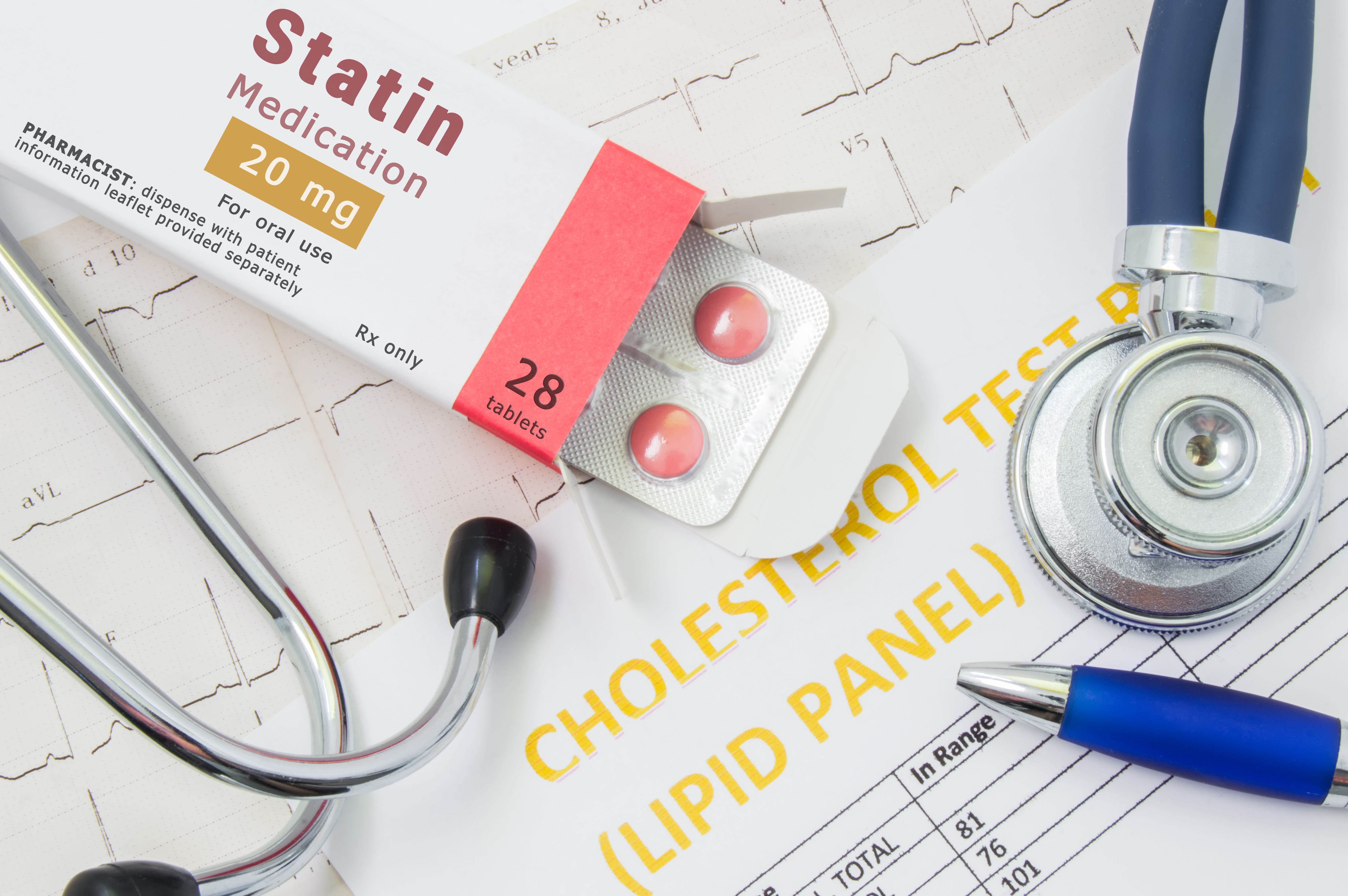
When added to maximally tolerated statin therapy, inclisiran was associated with significant reductions in MACE and hospitalizations among patients with ASCVD.

Loss of a partner or sibling during the pandemic was associated with heightened cardiovascular vulnerability, according to one study.

An analysis shows accelerated declines in processing speed, memory, and global cognition years before incident cardiovascular disease.

Subgroup data show no reduction in cardiovascular death or myocardial infarction—and a potential signal of harm—in highly frail patients.

Real-world EHR study shows PREVENT equations deliver reliable CVD risk prediction despite missing data, guiding smarter outreach and recalibration.
Tirzepatide was associated with a significant reduction in a composite of major cardiovascular and kidney outcomes vs the GLP-1 agonist dulaglutide.

Industry payments to cardiologists are linked to higher Medicare spending, with $10,000 in payments tied to $14.10 more per beneficiary.

Active or severe atopic dermatitis throughout childhood and adolescence does not increase cardiometabolic risk, according to new research.

New research shows that cardiovascular protection from GLP-1 receptor agonists such as semaglutide and tirzepatide diminishes within months of discontinuation.

Long-term adherence to healthy behaviors reduces the risk of cardiovascular disease and type 2 diabetes, even among individuals taking antihypertensive medications.

Sivelestat significantly reduced the incidence of postoperative ARDS, lowered 90-day mortality, and suppressed inflammatory biomarkers linked to lung injury.

This commentary examines pressures driving cardiology consolidation, the risks of private equity, and strategies to sustain independent practice while ensuring patient-centered, cost-effective cardiovascular care.

A home blood pressure telemonitoring program effectively reduced blood pressure in real-world clinical settings, but program enrollment expenses increased overall costs.

This study of 26,805 cardiologists shows that industry payments (averaging $3958) are linked to increased Medicare costs, with each $10,000 in payment associated with $14.1 higher beneficiary spending.

AI-enabled coronary CT angiography reveals total plaque burden beyond calcium scores, improving risk prediction and personalizing cardiovascular prevention.

Clinical measures and biomarkers during pregnancy, including hs-cTnI and sFlt-1, can help identify women at higher risk of developing cardiovascular disease later in life.

A Mississippi hospital partners with Eko Health to introduce AI-assisted cardiac detection in underserved rural communities.

Many physicians are reluctant to test for Lp(a), in part because they are unclear how to manage patients with elevated levels.

Findings highlight strong overall performance but reveal variability among disaggregated Asian ethnic groups.

The trial also showed significant reductions in non-HDL cholesterol, apolipoprotein B, and lipoprotein(a), with no apparent differences in adverse events between groups.

Roy Mathew, MD, discusses integrating nephrology and cardiology to bridge the gap in patient adherence and care delivery.
Multidisciplinary care enhances kidney health and cardiovascular outcomes, but more research into models is needed, said Roy Mathew, MD.
New treatments, care gaps, and cardiac monitoring were major focuses in cardiovascular news this year.
From oncology to cardiology, Institute for Value-Based Medicine® conversations highlighted the ways value-based care is reshaping access, equity, and outcomes.
The meeting included new evidence and expert insights on hormone therapy, AI, and the expanding role of GLP-1 therapies in cardiovascular care.
Advertisement
Advertisement
Trending on AJMC
1
Merck, Moderna Cancer Vaccine Cuts Melanoma Recurrence Risk by 42%
2
Real-World AMKD Data Highlight Quick Progression, Unmet Needs
3
Insurance Barriers Tied to Missed Long-Acting PrEP Starts
4
Pulmonary Embolism Can Affect Elite Athletes, Too: Samantha Pettigrew, MD
5