





Cardiovascular
Latest Content

Advertisement
Latest Videos






Shorts

0:47
What PCSK9 Inhibitors Reveal About Innovation, Access: Deepak Bhatt, MD, MPH, MBA
3 months ago
by
Pearl Steinzor(+1 more)
1:00
Exploring Tirzepatide’s Potential Cardiovascular Benefits: Deepak Bhatt, MD, MPH, MBA
3 months ago
by
Pearl Steinzor(+1 more)
1:00
Why BMI Is Misleading for Measuring Cardiometabolic Risk: Deepak Bhatt, MD, MPH, MBA
3 months ago
by
Pearl Steinzor

0:51
Building the Ideal CRM Care Team: Sheng Fu, MD
4 months ago
by
Pearl Steinzor(+1 more)

0:37
Oral Pill Removes Barrier to Cholesterol-Lowering Therapy: Ann Marie Navar, MD, PhD
a year ago
by
Laura Joszt, MA(+1 more)

1:34
Exploring Provider Notification in Aortic Stenosis Care: Varsha Tanguturi, MD
a year ago
by
Maggie L. Shaw(+1 more)
0:47
History of HDP Tied to Chronic Heart, Metabolic Conditions: Alexandra M. Trevino, MD
a year ago
by
Brooke McCormick(+2 more)
0:34
Chronic Illness, Lifestyle, and Social Disparities Fuel HDP Risk: Alexandra M. Trevino, MD
a year ago
by
Brooke McCormick(+2 more)
1:02
Partnering on Social Media to Combat Medical Misinformation: Khush Kharidia, MD
a year ago
by
Maggie L. Shaw(+1 more)
Podcasts




Advertisement
More News

HYPERION trial data shows a 76% reduction in clinical worsening events among adults recently diagnosed with PAH.

Alcohol abuse was the strongest post-trauma psychiatric predictor of cardiovascular events, with mood disorders more prominent among women.

Individuals with or at risk for arrhythmogenic cardiomyopathy had no added risk of ventricular arrhythmia from strength training, unlike endurance exercise.

The first study of its kind links nighttime light exposure to structural heart changes among over 11,000 adults followed for 3 years.

PVI for intermittent claudication was associated with more than double the rate of major adverse limb events and higher costs of care.
A VESALIUS-CV analysis found a 20% reduction in all-cause death with evolocumab in patients without prior MI or stroke, emerging after 1.5 years.

FUSION trial data published show FFRCT added to CCTA safely cut unnecessary catheterizations.
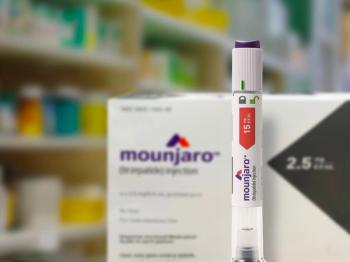
Tirzepatide is now approved to lower cardiovascular death, heart attack, or stroke risk in adults with type 2 diabetes.
The third-gen PCKS9 inhibitor was approved in December 2025 as adjunctive treatment alongside diet and exercise for adults with hypercholesterolemia.

New hypertension drugs cost over $800,000 per QALY vs generics, well above cost-effectiveness limits, ICER's draft report finds.
Although new guidelines call for universal screening, most Americans with elevated Lp(a) still don't know their number.

Researchers found no evidence that cooling beyond 6 hours at 33°C improved neurological outcomes in comatose survivors of out-of-hospital cardiac arrest.

A digitally enabled quality improvement strategy lowered LDL-C and boosted treatment intensification, though most patients still missed guideline targets.

Commercial cardiology prices vary widely by insurer and state, with facility fees for procedures like ICD implantation differing more than 5-fold.

A new analysis found smoke-free legislation reduced cardiovascular deaths overall, but benefits were uneven across age, sex, and racial groups.

A study finds that 1- and 3-month dual antiplatelet therapy reduces bleeding vs standard regimens in patients at high bleeding risk.

A UK Biobank analysis found that IL-6, but not hsCRP, modified the association between elevated lipoprotein(a) and coronary artery disease risk.

This study evaluated whether adherence to a hypertension quality measure correlates with actual blood pressure control. Findings reveal misalignment between adherence metrics and clinical outcomes.

Children of mothers with poor cardiovascular health during pregnancy had nearly double the risk of developmental delay at age 4.

Creatinine, not just a diabetes diagnosis, should trigger SGLT2 inhibitor use in CKD, says Sandra Chaparro, MD.

The use of in-hospital statins in older adults admitted to an acute geriatric ward was associated with in-hospital mortality.

This article evaluates the programmatic cost of 3 behavioral mobile messaging interventions aimed at improving cardiovascular medication adherence in The Nudge Study.

Heat-attributable CVD burden could reach 418 DALYs per 100,000 by 2050 under high-emissions scenarios, with low-income counties hit hardest.
New findings presented at ACC.26 highlight the potential of Lp(a)-targeted therapies for patients with ASVD and elevated Lp(a).

Exposure to adverse pregnancy outcomes may be associated with worse cardiovascular health and early arterial injury in young adulthood.
Advertisement
Advertisement
Trending on AJMC
1
Merck, Moderna Cancer Vaccine Cuts Melanoma Recurrence Risk by 42%
2
Real-World AMKD Data Highlight Quick Progression, Unmet Needs
3
Pulmonary Embolism Can Affect Elite Athletes, Too: Samantha Pettigrew, MD
4
Insurance Barriers Tied to Missed Long-Acting PrEP Starts
5