



Data on care satisfaction, ease managing care, and out-of-pocket spending were the outcomes of interest for this new analysis that investigated the relationship between healthcare utilization and beneficiary experience within traditional Medicare.
Data on care satisfaction, ease managing care, and out-of-pocket spending were the outcomes of interest for this new analysis that investigated the relationship between healthcare utilization and beneficiary experience within traditional Medicare.

Mehmet Oz, MD, the nominee to lead CMS under the Trump administration, testified in a confirmation hearing before the Senate Finance Committee, where he found common ground on improving outcomes through healthier lifestyle choices but encountered repeated questions on potential Medicaid cuts.

The second Trump administration is expected to bring changes to Medicaid, Medicare Advantage, and the health insurance exchanges, as well as highlight the Make America Healthy Again (MAHA) movement, speakers at the Value-Based Insurance Design Summit said.

New diabetes medications are pressuring Medicare Part D financially as they drive up prescription drug costs amid rising rates of type 2 diabetes and obesity.

Medicare beneficiaries treated by physicians with high levels of Medicare Advantage risk exposure had higher care quality and efficiency outcomes compared with those treated by other physicians.

Amid the uproar over the firing of 18 inspectors general, a report offering a coda to the aducanumab approval episode has been overlooked. It shows the need for reforms of the FDA's accelerated approval process.

Sen. Bill Cassidy, MD, (R, Louisiana) holds a key vote on Robert F. Kennedy Jr's HHS Secretary confirmation. When Cassidy asked for a strategy on Medicare and Medicaid, Kennedy could not provide one.

President Donald Trump's initial executive orders target previous efforts to reduce health care costs, pandemic preparedness, and international partnerships, showing a stark contrast to the Biden administration.

The Affordable Care Act (ACA) led to reductions in out-of-pocket costs and improvements in health among adults entering Medicare.

Semaglutide (Ozempic) is 1 of 15 medications that will be included in yearly price negotiations between Medicare and manufacturers.

ACA enrollment rate hits a milestone, though IRA subsidies may not extend beyond 2025; network adequacy standards fail to translate into efficient access to mental health care for Medicaid enrollees; research examines racial disparities in postpartum hypertension and vaccine uptake.

High-intensity home-based rehabilitation (HIHR) may substitute for facility-based postacute rehabilitation. Patients in HIHR had better functional outcomes at lower costs than patients in facility-based care.

The health care provisions include key reforms targeting pharmacy benefit managers, extensions of Medicare telehealth flexibilities, and measures aimed at combating the opioid crisis and preparing for future pandemics.

The authors evaluate features of the Transforming Episode Accountability Model and discuss its benefits and limitations.


The authors discuss multiple challenges to the production of policy-relevant results from evaluation of Medicare accountable care organizations (ACOs).
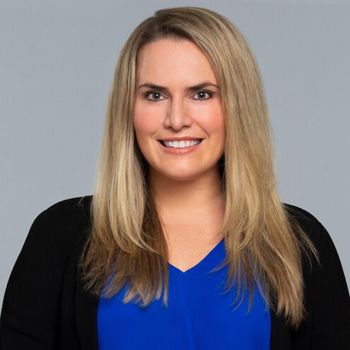
Lindsay Bealor Greenleaf, JD, MBA, of ADVI Health, weighs in on what to expect in key health care policy areas in the wake of the election.

This research is not the first to uncover duplicative and wasteful spending on health care for veterans who receive care primarily through the Veterans Health Administration as they are also enrolled in Medicare Advantage plans.

CMS is creating infrastructure to improve coverage of prescription digital therapeutics (PDTs), and new legislation would also drive uptake of PDTs.

Patients with Medicare coverage and whose incomes fall between 100% and 400% or less of the federal poverty level may find themselves in a tricky financial situation concerning their ability to pay the Medicare Part A hospital deductible.

Medicaid, Medicare, and private insurance programs all showed significant variability in expenditures based on social and nonclinical factors.

CMS made improvements for the Enhancing Oncology Model (EOM) over the Oncology Care Model (OCM), but there remains a delay in data and the challenge of high-cost, novel therapies, explained Stuart Staggs, vice president, Transformation and Shared Services, McKesson.

A review of positions and track records of Vice President Kamala Harris and former President Donald Trump on reproductive health, the future of the Affordable Care Act, prescription drug costs, health care consolidation, and a proposed Medicare home health benefit.

A new letter signed by more than 230 members of the House urges Congress to not only block the scheduled 2.8% reimbursement cut, but also reform the Medicare Physician Fee Schedule.