



Respiratory
Latest News
Advertisement
Latest Videos








Advertisement
More News

In 2018, annual health care expenditures attributable to current e-cigarette use totaled $15.1 billion or $2024 per person, according to researchers.

Roxana Siles, MD, FAAAAI, staff in the Department of Allergy and Immunology at Cleveland Clinic and codirector of the Asthma Center at Cleveland Clinic, discusses the important need for chronic cough therapies and what issues with current treatments should be addressed by next-generation medications.

Researchers also found that 95% of respiratory syncytial virus (RSV)-associated acute lower respiratory infection episodes and more than 97% of RSV-attributable deaths were among children in low– and middle-income countries.

Oral care decreased both the number of intensive care unit (ICU) patients and the length of stay, as well as the amount of time of mechanical ventilation.
Roxana Siles, MD, FAAAAI, staff in the Department of Allergy and Immunology at Cleveland Clinic and codirector of the Asthma Center at Cleveland Clinic, addresses the placebo effect seen in clinical trials of chronic cough treatment.
A study of the Austrian general population found that most chronic cough cases could be assigned a phenotype through a simple survey-based assessment that could help target treatment to individual cases.

The FDA proposed product standards prohibiting menthol flavor in cigarettes and all flavoring in cigars as part of the Cancer Moonshot initiative.

William Schaffner, MD, medical director at the National Foundation for Infectious Diseases (NFID), and Patsy Stinchfield, RN, MS, CPNP, president-elect of NFID, explain what strategies they look forward to being implemented in the prevention and treatment of respiratory syncytial virus (RSV).

According to a review, the availability of electronic cigarettes and vaping products to young people needs to be limited.
Roxana Siles, MD, FAAAAI, staff in the Department of Allergy and Immunology at Cleveland Clinic and codirector of the Asthma Center at Cleveland Clinic, addresses the challenges of treating chronic cough.
For adults with a history of depression, chronic cough can increase the risk of recurrent depressive events, a study found.
Roxana Siles, MD, FAAAAI, staff in the Department of Allergy and Immunology at Cleveland Clinic and codirector of the Asthma Center at Cleveland Clinic, addresses the factors that contribute to necessitating multispecialty management of patients with chronic cough.

Pollutant particles with a smaller diameter, density, and flow rate can enter the deep lung, but large particles with a low density may also enter the deep airways, according to a study.
William Schaffner, MD, medical director at the National Foundation for Infectious Diseases (NFID), and Patsy Stinchfield, RN, MS, CPNP, president-elect of NFID, discuss health care disparities related to respiratory syncytial virus (RSV), as well as solutions to close these gaps.

Urge-to-cough and cough symptoms were the 2 main domains of a 51-item framework to measure cough severity.
Monthly parainfluenza virus incidence rates were nearly 6 times higher in September 2021 vs the second highest reported monthly incidence rates among children 4 years and younger in Finland in the last decade, following lifting of COVID-19–related restrictions.
Roxana Siles, MD, FAAAAI, codirector of the Asthma Center at Cleveland Clinic, discusses the challenges of managing patients with chronic cough.
William Schaffner, MD, medical director at the National Foundation for Infectious Diseases (NFID), and Patsy Stinchfield, RN, MS, CPNP, president-elect of NFID, explain how COVID-19 testing developments have opened doors for developments in respiratory syncytial virus (RSV) testing.
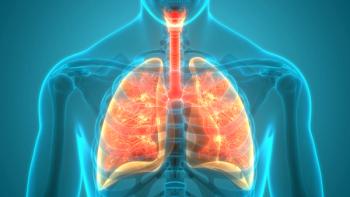
A recent study found that an electronic tool that guides diagnosis and treatment can reduce mortality and improve processes of care.

A retrospective, quasi-experimental study found that patients admitted to the intensive care unit (ICU) for acute respiratory failure (ARF) saw better outcomes when an inter-ICU transfer came within the first 2 days of admittance.

A phase 3 trial showed that nirsevimab was effective in preventing respiratory syncytial virus (RSV)-associated lower respiratory tract infection in healthy late-preterm and term infants.

New CDC guidance says that Americans who live in areas with low to medium COVID-19 transmission can stop wearing masks indoors; GlaxoSmithKline (GSK) halts 3 vaccine clinical trials for the respiratory syncytial virus in pregnant women; a scientific advisory panel recommends a major overhaul of the US transplant system.
William Schaffner, MD, medical director at the National Foundation for Infectious Diseases (NFID), and Patsy Stinchfield, RN, MS, CPNP, president-elect of NFID, discuss how respiratory syncytial virus (RSV) affects different age groups.

In this National Press Club address, American Medical Association President Gerald E Harmon, MD, outlines what steps need to be taken to better prepare the nation for the next pandemic.

The 28-day cumulative risk of respiratory failure after transesophageal echocardiography (TEE) was similar to the risk measured in those go did not undergo TEE, a procedure performed after a transient ischemic attack or stroke.
Advertisement
Advertisement
Trending on AJMC
1
FDA Clears First Alzheimer Blood Test for Adults as Young as 40
2
MFN Drug Agreements Could Raise Prices Worldwide
3
Dosing, Tolerability, and Formulary Impact: Aripiprazole and Quetiapine XR in MDD
4
5 Things to Know About the 2026 ESC Heart Failure Guidelines
5