




Respiratory
Latest News
Advertisement
Latest Videos


Advertisement
More News

The 28-day cumulative risk of respiratory failure after transesophageal echocardiography (TEE) was similar to the risk measured in those go did not undergo TEE, a procedure performed after a transient ischemic attack or stroke.
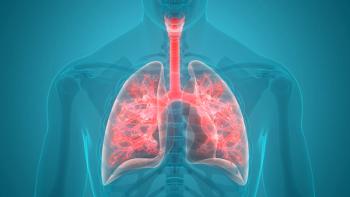
Survival was 100% among patients who had COVID-19-associated acute respiratory distress syndrome (ARDS), and 83% for those without COVID-19 infection.

William Schaffner, MD, medical director at the National Foundation for Infectious Diseases (NFID), and Patsy Stinchfield, RN, MS, CPNP, president-elect of NFID, explain how the COVID-19 pandemic has had an impact on the seasonality of respiratory syncytial virus (RSV).

Research suggests a shorter 5-day antibiotic regimen for childhood community-acquired pneumonia, instead of 10 days, can optimize treatment efficacy while reducing unnecessary antibiotic use.

Research showed that younger and nonfrail patients with COVID-19 were more likely to be put on a ventilator, while patients with frailty and older age had a higher risk of in-hospital and in-ICU mortality.

A meta-analysis from 3 economists concluded that nonpharmaceutical interventions in response to COVID-19 failed to have a large, significant effect on mortality rates.

Although clinical trials have demonstrated the utility of procalcitonin (PCT) testing and potential benefit on antibiotic stewardship, findings suggest that clinicians do not order PCT testing with regularity and also prioritize clinical judgment over PCT results.

President Biden announced he would bring back the Cancer Moonshot initiative that launched in the Obama administration; the World Health Organization said the Omicron subvariant, BA.2, appears to have the same severity as the original Omicron variant; cases of suicide by drug overdose increased in young people, older adults, and non-Hispanic Black women.
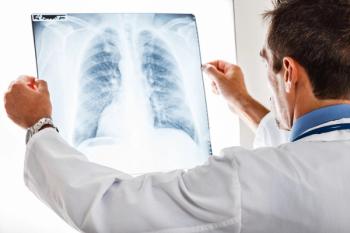
The review discussed the roles of sex, ancestry, senescence, and aging in the development of nontuberculous mycobacterial pulmonary disease.
A study found 4 factors may correlate with increased risk of long-term COVID-19; Rhode Island joins opioid settlement against McKesson, AmerisourceBergen, and Cardinal Health; the Environmental Protection Agency announced it will station mobile equipment in Louisiana to measure air pollution.
FDA significantly restricts the use of 2 COVID-19 monoclonal antibody treatments ineffective against the Omicron variant; an expert panel advises the Israeli government to offer a fourth COVID-19 vaccine dose to adults; there was a substantial increase in visits for mental health and substance abuse among physicians with no prior history during the pandemic.

With no existing respiratory syncytial virus (RSV) vaccine yet, researchers found that a vaccine comparable with the influenza vaccine could prevent tens of thousands of hospitalizations and deaths per year.

Chronic cough can have a significant impact on patient quality of life, and recognizing it as an individual condition may help optimize its treatment.
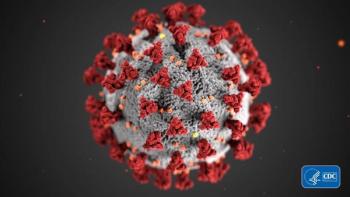
CDC officials clarified the agency's new isolation recommendations for individuals infected with COVID-19 and provided updates on its efforts to reduce pediatric cases among those too young to receive vaccines.
The Biden administration doubled its order of Pfizer’s COVID-19 antiviral drug; California is now the first state to require health insurance plans to cover at-home STI tests; the Supreme Court will hear in-person arguments Friday to decide whether to block federal vaccine mandates.
An 8-year journey to a chronic cough diagnosis, neurogenic cough treatment, e-cigarettes, and COVID-19 risk factors were among the most-viewed respiratory articles.
Behavioral cough therapy should be used as early intervention, said Laurie Slovarp, PhD, CCC-SLP, associate professor in the School of Speech, Language, Hearing, and Occupational Sciences at University of Montana.
Facing the challenges created by the COVID-19 pandemic, the US medical community has been forced to rapidly change and modernize the manner in which it delivers health care over the last year-and-a-half.

Although 2021 closes with a plentiful supply of COVID-19 vaccines and boosters, Americans continue to face challenges with the widespread Omicron variant and new testing hurdles.
Most people are aware of what triggers their chronic cough and how to temporarily suppress it, said Laurie Slovarp, PhD, CCC-SLP, associate professor in the School of Speech, Language, Hearing, and Occupational Sciences at University of Montana.

Chronic cough can be very debilitating to a patient's quality of life, explained Laurie Slovarp, PhD, CCC-SLP, associate professor in the School of Speech, Language, Hearing, and Occupational Sciences at University of Montana.
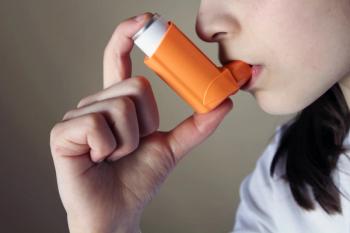
Participation in education sessions and frequent web-based monitoring predicted 1-year outcomes of asthma control for adolescents with partly controlled and uncontrolled asthma.
Peter Dicpinigaitis, MD, professor of medicine at the Albert Einstein College of Medicine and director of the Montefiore Cough Center, discusses what he and others have seen during the pandemic in patients with chronic cough who had COVID-19.

A small study found that patients with chronic cough saw improvements in symptoms following transcutaneous electrical nerve stimulation treatment, with minimal adverse effects.
Advertisement
Advertisement
Trending on AJMC
1
MASH Fibrosis, Not Resolution, Predicts Mortality: Zobair Younossi, MD
2
FDA Approves Once-Monthly Subcutaneous Olanzapine for Schizophrenia
3
Multi-Hit TP53 Linked to Shorter Survival in Chronic-Phase MPN Cohorts
4
Navigating GLP-1 Access & Prior Authorizations: Amanda Velazquez, MD
5