
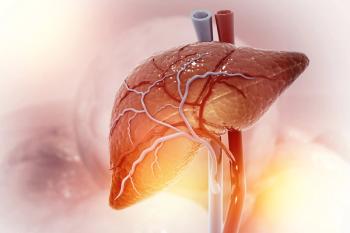
Phase 3 hepatitis delta data, MASH persistence and cost findings, and new PBC treatment targets led The Liver Meeting 2026 in Denver, Colorado.
Phase 3 hepatitis delta data, MASH persistence and cost findings, and new PBC treatment targets led The Liver Meeting 2026 in Denver, Colorado.
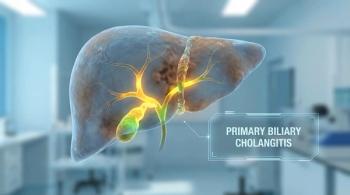
Elafibranor and seladelpar normalized ALP in most patients with primary biliary cholangitis whose ALP was below the usual escalation threshold.
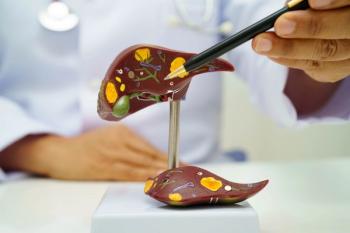
Most patients with MASH stay on resmetirom at 1 year, but Medicaid coverage was tied to lower odds of filling a first prescription within 30 days.
Six studies found liver transplant disparities by insurance, region, ethnicity, and sex, plus links between unmet social needs and frailty in cirrhosis.
Diabetes and functional dependence predicted 3-year graft loss after MASH liver transplant, while machine learning showed limited predictive power.
Gut-derived bile acids disrupt liver metabolism through LRH-1 before visible damage, pointing to new early biomarkers for fatty liver disease.
In nonobese patients in the ESSENCE trial, semaglutide improved metabolic dysfunction even with modest weight loss of 2% to 5%.

Liver disease disparities tied to insurance and race spanned HCC surveillance, transplant listing, and drug access in data at The Liver Meeting 2026.

SMART-MASH found about a third more patients with cirrhosis than Agile 4 while using costly fibrosis tests in only some patients.
Started at advanced fibrosis or cirrhosis, pegozafermin lowered liver collagen below baseline and prevented liver cancer in a MASH mouse model.

Hepatitis B functional cure with bepirovirsen held in 90% to 92% of responders 48 weeks after stopping all therapy, per data at The Liver Meeting 2026.
Resmetirom real-world data at The Liver Meeting 2026 show 12-month gains in liver stiffness, fat, and enzymes among patients with MASH in 3 US data sets.
Parvez Mantry, MD, shares real-world resmetirom data from AASLD 2026, including GLP-1 combination use and biopsy-sparing monitoring.
The 2026 meeting in Denver features more than 265 hours of programming, real-world MASH treatment data, and late-breaking results in rare liver diseases.