

A surge of generics, biosimilars, and innovative therapies is expected in 2025, addressing conditions from cancer to chronic diseases, as outlined at the Academy of Managed Care Pharmacy annual meeting.
A surge of generics, biosimilars, and innovative therapies is expected in 2025, addressing conditions from cancer to chronic diseases, as outlined at the Academy of Managed Care Pharmacy annual meeting.
Attendees of the Academy of Managed Care Pharmacy annual meeting share explain what draws them to the conference year after year.

Research presented at the 2025 Academy of Managed Care Pharmacy annual meeting analyzed real-world treatment outcomes for dermatologic conditions, specifically highlighting the efficacy of ruxolitinib cream for atopic dermatitis and the potential for phototherapy to delay costly biologic initiation.

Amid growing legislative pressures and industry debates, pharmacy benefit managers (PBMs) are exploring new strategies to enhance transparency, reduce patient costs, and navigate the evolving healthcare landscape.

Kimberly Westrich, MA, chief strategy officer at the National Pharmaceutical Council, discusses the importance of clearly defining the role of patient representatives on pharmacy-and-therapeutics and Medicaid committees.

Sam Peasah, PhD, MBA, RPh, director of High-Value Health Care Value-Based Pharmacy Initiatives at UPMC Health Plan, shares findings from a study on the cost impact of achieving 80% adherence to newer antidiabetic agents.
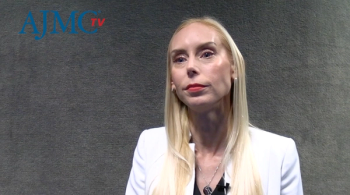
Laura Bobolts, PharmD, BCOP, senior vice president of clinical strategy and growth at OncoHealth, discusses strategies for managing costs of novel cellular and gene therapies in the oncology pipeline.

Rising biosimilar adoption, shifting market dynamics, and escalating supply chain vulnerabilities are driving change in managed care, creating both challenges and opportunities for stakeholders, as explored by speakers at the Academy of Managed Care Pharmacy’s annual meeting.
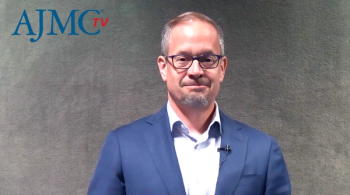
JC Scott, CEO and president of The Pharmaceutical Care Management Association, discusses the evolving role pharmacy benefit managers (PBMs) play in addressing payer, provider, and patient needs.

As health care costs continue to rise, artificial intelligence (AI)-driven solutions are emerging as a powerful tool for managing specialty drug spending and polypharmacy risks, as showcased in recent research presented at the Academy of Managed Care Pharmacy 2025 conference.

Neha Kashalikar, PharmD, director of strategic pharmacy consulting, MassHealth, shares key components that makes a value-based contract successful.

Adam Colborn, JD, associate vice president for congressional affairs, AMCP, discusses key regulatory factors that managed care professionals must consider when implementing artificial intelligence (AI) in practice.

Federal legislative and regulatory changes are reshaping pharmacy practice, with key challenges in government funding, pharmacy benefit manager reform, and health care policy shifts—topics explored by experts at the Academy of Managed Care Pharmacy's annual meeting.

The Inflation Reduction Act (IRA) may be restricting Medicare Part D formularies, increasing patient costs, and stifling pharmaceutical innovation, experts warned at the Academy of Managed Care Pharmacy 2025 annual meeting.

Janus kinase (JAK) inhibitors, including ruxolitinib cream and abrocitinib, demonstrate strong efficacy in atopic dermatitis (AD), offering viable alternatives to systemic therapies.

Susan Cantrell, CEO of the Academy of Managed Care Pharmacy, breaks down some of the key conference topics that will be discussed at this year's meeting.

Kimberly Westrich, MA, chief strategy officer at the National Pharmaceutical Council, highlights upcoming discussions on patient engagement, formulary management, and policy changes, including the Inflation Reduction Act.

As managed care pharmacy navigates rapid transformations in policies, high-cost drug strategies, and innovative therapies, the upcoming AMCP annual meeting will provide critical insights into legislative impacts, drug affordability, formulary design, and emerging treatment trends.

Among the most-read coverage for the annual meeting were presentations on the potential and costs of cell and gene therapies, the latest trends in the industry, and pharmacogenomic testing in mental health.

At the Academy of Managed Care Pharmacy (AMCP) 2024 annual meeting, multiple poster presentations concerned with health equity, data collection, glucagon-like peptide-1 agonists, and more were acknowledged for their originality, relevance, clarity, bias, and quality.

The FDA granted accelerated approval to talquetamab on August 9, 2023, as a treatment option for adult patients with relapsed/refractory multiple myeloma (RRMM) who have failed at least 4 prior lines of therapy.

Session speakers at the Academy of Managed Care Pharmacy (AMCP) 2024 annual conference share their favorite parts of the event and the key takeaways they will leave the conference with.

A recent study suggests the differences between ambulation definitions for patients with Duchenne muscular dystrophy (DMD) can impact the identification of ambulant vs nonambulant individuals, and standard criteria across settings are needed.

Douglas M. Long, BA, MBA, was featured as the keynote speaker on the closing day of The Academy of Managed Care Pharmacy 2024 annual meeting, with a session dedicated to surveying the health care and pharmaceutical trends of the last year.

Leslie Fish, PharmD, senior vice president of pharmacy at IDP Analytics, LLC, reflects on the future of biosimilars and the impact they will have on managed care pharmacy settings to improve patient access to medications.

The Academy of Managed Care Pharmacy (AMCP) 2024 annual meeting included multiple poster presentations featuring studies on atopic dermatitis, 2 of which focused on the impact of ruxolitinib cream monotherapy and educating managed care professionals.

Adam Colborn, JD, director of government relations for the Academy of Managed Care Pharmacy, discussed how providers can comfortably switch patients to biosimilars while minimizing anxieties, as well as the impacts prior authorization requirements can have on patient access.

At the Academy of Managed Care Pharmacy (AMCP) 2024 annual meeting, a panel of presenters explored changes coming to Medicare that incorporate social determinants of health (SDOH) data to improve patient and health system outcomes.

Yuqian Liu, PharmD, Magellan Rx Management, explores the current space of cell and gene therapies based on real-world data and potential emerging therapies in the future, while expanding upon long-term efficacy concerns.

Presenters at the Academy of Managed Care Pharmacy (AMCP) 2024 annual meeting discussed the current promise and future potential of gene and cell therapies, as well as payer management strategies for these costly treatments.