Upper-extremity synovial sarcoma required more staged surgery, while lower-extremity disease carried more complications and metastases.
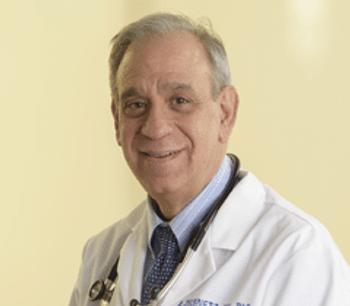
We really believe that biosimilars line up as a value accretion for every constituency, whether it’s the patient, the practice, or the payer, said Lee Schwartzberg, MD, FACP, executive director, West Cancer Center.
We really believe that biosimilars line up as a value accretion for every constituency, whether it’s the patient, the practice, or the payer, said Lee Schwartzberg, MD, FACP, executive director, West Cancer Center.
Transcript
OneOncology announced that its practices have begun administering the 2 cancer biosimilars on the US market. How will this help address financial toxicity?
We were very proud that OneOncology jumped in as the first group to endorse therapeutic biosimilars in the oncology space. We really believe that biosimilars line up as a value accretion for every constituency, whether it’s the patient, the practice, the payer, because you’re giving a high-value drug at a lower cost and therefore across the chain of value, it’s good for everyone. So, there’s education around biosimilars. We’ve been using supportive care biosimilars for a few years.
Some people feel there might be a different bar for therapeutics. I’ve looked at the totality of evidence about what allows a biosimilar to come to market, which is based on a very strong analytic similarity, as well as some clinical trials. We can extrapolate the use of these drugs into the same conditions that we would with the originator drug. I feel very strongly that we’re going to move wholesale into suing biosimilars where there appropriate in the therapeutic oncology space, and it will be great for everyone.