
Closed-loop referral systems confirm outcomes, not just referrals, avoiding false success and building durable, scalable social care infrastructure.
Closed-loop referral systems confirm outcomes, not just referrals, avoiding false success and building durable, scalable social care infrastructure.
Lidia Schapira, MD, Stanford, urges care teams to weigh quality of life, not just scans, in long-term cancer therapy decisions.
She frames the IberDd approval as more than the addition of 1 more regimen to a crowded relapsed/refractory myeloma armamentarium.
Bridget Keenan, MD, PhD, of UCSF, stresses close communication across clinical, industry, and lab teams to run safe CAR T-cell trials.
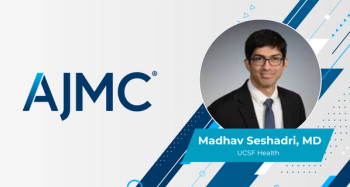
CAR T remains Madhav Seshadri, MD's top pick for eligible relapsed/refractory DLBCL, though bispecific antibody regimens are viable alternatives.
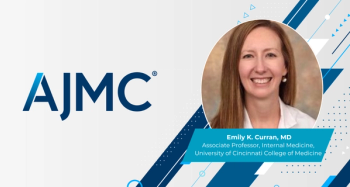
The disparity in outcomes between pediatric and young adult patients with ALL is multifactorial, explained Emily K. Curran, MD.
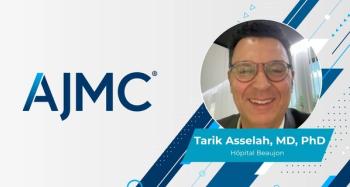
Phase 2 data show promising antiviral activity with tobevibart plus elebsiran in hepatitis D, supporting further evaluation in the phase 3 ECLIPSE program.
Full-risk Medicare Advantage models outperform traditional Medicare for socially vulnerable beneficiaries, explains Ken Cohen, MD, of Optum Health.
The shift toward fibrosis end points and noninvasive biomarkers in MASH trials may ease enrollment, improve assessment, and reduce biopsy use, Zobair M. Younossi, MD, said.
Setmelanotide cut BMI 16.5% in a trial for acquired hypothalamic obesity, easing hyperphagia, though adverse events require close monitoring.
Oyepeju Abioye-Akintola, MD, MSc explains how the Protocol & People initiative revealed unreadable consent forms as a fixable barrier to clinical and equitable trial enrollment.
Prior to receiving CAR T-cell therapy, patients undergo lymphodepletion chemotherapy, explained Kerry Rogers, MD, The James.
Katherine Wilemon, Family Heart Foundation, described the biggest unmet need when it comes to public awareness of Lp(a) and its associated risk factors.
Steven D. Nathan, MD, discusses inhaled treprostinil and why inhaled therapies could mark the next frontier in idiopathic pulmonary fibrosis (IPF) care.

The goal of transplant is to give rise to new immune cells capable of hunting down and destroying resistant leukemic cells, says Karilyn Larkin, MD.
Doris Hansen, MD, co-led "Bridging the Gaps in Health Equity and Access in Multiple Myeloma" on May 2, 2026, in Tampa, Florida.
Steven D. Nathan, MD, explains how recognizing early ILD symptoms, including Velcro crackles and dyspnea, can reduce delays in diagnosis.
Katherine Wilemon of the Family Heart Foundation discusses the need for Lp(a) screening in the US, where rates are historically low despite risk.
UPMC and Birth Root Community Doula describe a 4-year partnership addressing food insecurity, housing, and maternal health disparities.
Steven D. Nathan, MD, discusses how multidisciplinary ILD care, particularly collaboration with rheumatologists, can improve early diagnosis and treatment.
Brittany G. Craiglow, MD, FAAD, discusses the psychiatric and psychosocial toll of alopecia in children and adolescents, and its impact on treatment initiation.
Rutgers SPH Dean Perry N. Halkitis, PhD, MS, MPH, shares his HIV survival story and why trusted messengers, not statistics, change health behavior.
Hans Lee, MD, lays out the tradeoffs in travel, time off therapy, and who each option realistically fits when looking at CAR T-cell and bispecific therapies.
Kerry Rogers, MD, unpacks why patients often misread CAR T-cell therapy in CLL as a guaranteed cure, and what the data really show.
A July AJMC study found metastatic cancer diagnoses significantly increase Medicaid spending, highlighting the potential budget benefits of earlier detection.
Early remdesivir treatment was associated with lower graft loss and cardiovascular events in kidney transplant recipients, noted Nitipong Permpalung, MD, MPH.
Denise Yardley, MD, on OPTIMA, Prosigna proliferation scoring, and telling patients an endocrine strategy fits how their tumor behaves.
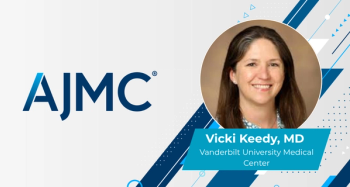
Vicki Keedy, MD, speaks to sarcoma research funding gaps, delayed diagnosis, and why the European specialty center model outperforms US referral patterns.
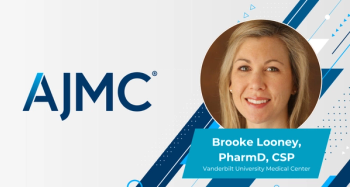
Integrated specialty pharmacies have EHR access, faster prior authorizations, and built-in monitoring, Brooke Looney, PharmD, CSP, highlighted.
Clinical trial access remains the biggest barrier in sarcoma care, with travel and insurance limits keeping patients from open studies, says Vicki Keedy, MD.