Cathy Eng, MD, explains how young adults with cancer face career, fertility, and body image concerns as well as where to find support.
Cathy Eng, MD, explains how young adults with cancer face career, fertility, and body image concerns as well as where to find support.
In part 2, Susan Sabo-Wagner, MSN, RN, OCN, NEA-BC, discusses how earlier referrals, AI, and less prior authorization can improve cancer outcomes.
Gray market peptides often contain far less drug than labeled and may carry toxins like arsenic, warns Catherine Varney, DO.
MA-to-MA switching among dually eligible beneficiaries rose sharply from 2016 to 2022, AJMC study author Grace Mackleby, PhD, found.
AI, patient voice in pathways, and caregiver support are shaping community oncology, AON leaders said at Patient-Centered Oncology Care.

Jeffery A. Goad, PharmD, MPH, of Chapman University explains why pharmacists are trusted, accessible sources for COVID-19 vaccine questions.
Gray market peptides cause vague symptoms patients may not disclose or link, so serious harms can go unnoticed until late, says Catherine Varney, DO.

Michael Wechsler, MD, of National Jewish Health, discusses how twice yearly depemokimab reduces exacerbation risk in patients with T2 asthma.
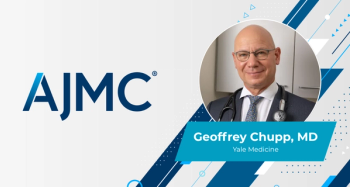
Geoffrey Chupp, MD, of Yale Medicine explains how a blood RNA study shows T2-low asthma is more complex than clinicians generally think.
Susan Sabo-Wagner, MSN, RN, OCN, NEA-BC, discusses how data builds payer trust, reduces prior authorization, and expands access in community oncology.
Without a functioning ACIP, Jeffery Goad, PharmD, MPH, explains who now guides COVID-19 vaccine use and how HMOs can stock vaccines.

Sean Wharton, MD, PharmD, discusses new data on survodutide from the phase 3 SYNCHRONIZE-2 trial.

Policy mandates and low-burden trial designs are key to equitable stem cell transplant access, explains Karilyn Larkin, MD.
Cathy Eng, MD, FACP, FASCO, says young patients with colorectal cancer often look healthy and present at stage IV, making symptom awareness critical.
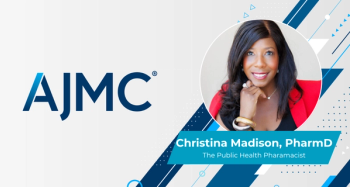
As US measles cases top 3600, Christina Madison, PharmD, explains how pharmacists can counter vaccine misinformation and rebuild trust.
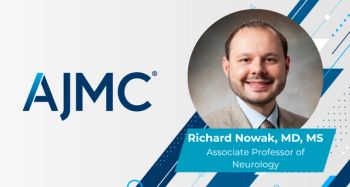
No biomarker yet predicts individual response to MG therapies, but preventing exacerbations can help reduce utilization, said Richard Nowak, MD, MS.

Pharmacy leaders examined AI for authorizations, adherence, patient access, and efficient specialty pharmacy benefits in health-system care.
Novel combinations may improve survival in Richter transformation, a hard-to-treat condition, says Adam Kittai, MD, of Perlmutter Cancer Center.
Mayo Clinic's Scott Soefje, PharmD, MBA, explains how logistics, contracts, and cost shape access to new cancer drugs and high-cost drug reviews.
Grace Mackleby, PhD, explores why dually eligible beneficiaries more often switch MA plans than leave for traditional Medicare.
Caregiver shortages limit access to transplant, CAR T, and bispecific therapies, and no system offers replacement support, says Duke's Thomas LeBlanc, MD, MA.
Even top academic centers struggle to keep pace with precision medicine, says William K. Oh, MD, who is prioritizing clinician education at Yale.
In part 2, Christine Pfaff, RPh, MBA, explores reimbursement gaps, new payment models, and payer partnerships needed to expand cellular therapy access.
In part 2, Rosa Novo discusses how employers can expand access to cancer screening and why they need a greater voice in shaping cancer care.
AI could ease oncology's drug development "traffic jam," while biomarker subsetting drives more personalized cancer care, David Spigel, MD, says.
Amanda Green, MPH, discusses how employers can improve benefit awareness, care navigation, cancer prevention, and cost strategies.

Debra Patt, MD, PhD, MBA, MPH, discusses how AI can streamline prior authorization and revenue cycle workflows in community oncology.

Chester Good, MD, MPH, shares data and strategies used by UPMC to evaluate value-based contracting in specialty pharmacy.
Advanced primary care, return-to-work support, and survivorship follow-up are key employer cancer strategies, said Karen van Caulil, PhD.

Sophy Levine, PharmD, discusses how an integrated health system specialty pharmacy may help lower 1-year GLP-1 discontinuation.