
In fiscal year 2019, there will be approximately $1.9 billion in value-based incentive payments available to hospitals in the Hospital Value-Based Purchasing (VBP) Program, which is a budget-neutral program.
In fiscal year 2019, there will be approximately $1.9 billion in value-based incentive payments available to hospitals in the Hospital Value-Based Purchasing (VBP) Program, which is a budget-neutral program.

A commentator said a solution may come from the survey method: giving patients an opportunity to disclose medical information through an impersonal instrument.

At the inaugural convening of the healthcare advocacy group United States of Care, Mandy Cohen, MD, MPH, the North Carolina health secretary, and Adam Boehler, the head of CMS's Center for Medicare and Medicaid Innovation, discussed strategies for lowering costs while improving healthcare quality.
For hospitals and other healthcare professionals, mobile apps represent the future of healthcare communication. If your facility isn’t already using apps or isn’t seriously evaluating them, your organization is behind the adoption curve.

The FDA has issued a safety warning that patients who stopped taking Gilenya experienced worsening of multiple sclerosis, compared with before treatment started or during treatment, in rare cases.

In a multicenter study, only 1 in 5 women at increased risk of breast cancer reported a strong need for tamoxifen preventive therapy, according to a report published Monday.

Once-daily gilteritinib pills have been approved to treat adult patients with relapsed or refractory acute myeloid leukemia (AML) with a FLT3 mutation. Approximately 25% to 30% of patients with AML have this mutation, which is associated with an aggressive form of the disease and carries a higher risk of relapse.

GlaxoSmithKline (GSK) is buying cancer biotech firm Tesaro for for $5.1 billion; Republicans in Congree are giving up efforts to cut Planned Parenthood funding; Medicare is using financial incentives to reward or punish nursing homes based on how often their residents ended up back in hospitals within 30 days of discharge.

Researchers investigated the association between chronic obstructive pulmonary disease (COPD) phenotypes and the prognosis of different histological subtypes of lung cancer and found that COPD, especially emphysema-predominant phenotype, was an independent prognostic risk factor for squamous carcinoma only.

A new report from the CDC revealed that it is necessary for providers to be aware of the challenges faced by Hispanics/Latinos with diagnosed HIV and to improve access to ancillary services.

A recent editorial outlined how to choose the necessary migraine pharmacotherapy for an elderly person and emphasized the importance of the careful personalization of treatment based on individual patient characteristics in order to choose a safe and effective migraine treatment.

The Society of Obstetricians and Gynaecologists of Canada and the Canadian Society for Exercise Physiology have released consensus guidelines that will provide guidance for pregnant women as well as their clinical care providers on prenatal physical activity.

Researchers described the study as one of the first to examine how strength training can reduce the risk of cardiovascular disease, separate from the effects of aerobic activity like running or long walks

While a full repeal of the Affordable Care Act (ACA) in Congress failed last year, the Trump administration, in the courts and through regulation, has managed to get closer and closer to its goal as a matter of practicality. As health policy watchers wait for an impending decision to drop in Texas v Azar, the case about the constitutionality of the ACA, here is a look back at the healthcare actions taken during the first 2 years of the Trump administration.

A recent retrospective review of patients who contracted hepatitis C (HCV) in childhood found that those with perinatal infection developed cirrhosis earlier than other risk groups.

In patients who relapse after allogeneic hematopoietic stem-cell transplantation, the therapeutic benefits that transplantation provide is diminished through mechanisms that remain unclear. A new study analyzed the genetic and epigenetic alterations of leukemic cells to determine any common features of relapse after transplantation
In a study presented at the annual meeting of the Radiological Society of North America (RSNA), researchers found that starting mammography screening at age 30 may benefit women with at least 1 of 3 risk factors: dense breasts, a personal history of breast cancer, or a family history of breast cancer.
New reports from the CDC have highlighted troubling increasing trends in suicides and drug overdose rates as life expectancy in the United States declined.

Chronic pain affects many patients worldwide and often leads to opioid prescribing, thereby increasing the risk of opioid misuse. A position statement by the Association of Academic Physicians, published by the American Journal of Physical Medicine & Rehabilitation, reflects experts’ call for a new, comprehensive national strategy to include a functional approach to the diagnosis and treatment of pain.

Patients with a rare neuromuscular disease called Lambert-Eaton myasthenic syndrome are now terrified the cost for their treatment could soar to $100,000 without insurance because of a quirk in pharmaceutical approvals and pricing; Bloomberg Philanthropies will donate $50 million to 10 states fighting the opioid epidemic; Republican lawmakers in the GOP Doctors Caucus expressed their concerns about President Trump's controversial proposal to lower drug prices in a meeting this week with HHS Secretary Alex Azar.
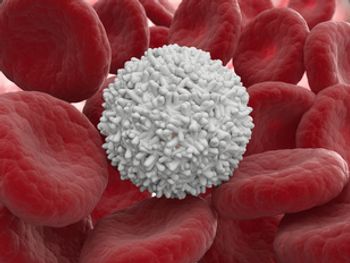
New clinical guidelines are providing guidance for clinicians on the diagnosis, prevention, and treatment of febrile neutropenia in adult patients with solid tumors.

As the world observes World AIDS Day 2018 on December 1, WalletHub has released an HIV/AIDS report in an effort to increase awareness about the virus.

Coverage of our peer-reviewed research and news reporting in the healthcare and mainstream press.

By meeting challenges in caring for patients with chronic obstructive pulmonary dieases head-on, primary care doctors have an opportunity to reduce the potential for unnecessary or sub-optimal care while improving patient outcomes.

This week, the top managed care news included a CMS plan for changes in drug coverage that brought a wave of criticism; a government task force recommended more people at risk for HIV take pre-exposure prophylaxis, known as PrEP; the American College of Cardiology issued an Expert Consensus Pathway on treatment of patients with type 2 diabetes and atherosclerotic cardiovascular disease.

Here are the top 5 articles for the month of November.

Despite the fact that osteoporosis is a growing public health problem in the United States and worldwide, there is poor adherence to medications to treat the problem. A recent study published in Osteoporosis International identified the factors that influence patient adherence to therapy, many of which are modifiable.
With health policy increasingly transferring to the state level, what’s the most effective way for states to cover the majority of their population through affordable health insurance leveraging public funds? On a day when the Trump administration unveiled 4 ways states can request Section 1332 waivers, some of which are aimed at avoiding key parts of the Affordable Care Act (ACA), an advocacy organization released its own proposal to cover more of the uninsured and lower health insurance costs.

A new study in Pediatrics concludes that 23%-27% of new asthma cases in children with obesity is directly attributable to obesity, and without overweight and obesity as a factor there would be 10% fewer cases of pediatric asthma in the United States.

Here are 5 interesting findings from the November 2018 issue of AJMC®.