

Discover how biomarkers like neurofilament light chain and glial fibrillary acidic protein enhance personalized care for patients who have multiple sclerosis.
Discover how biomarkers like neurofilament light chain and glial fibrillary acidic protein enhance personalized care for patients who have multiple sclerosis.

Pulse of the Purchaser 2025 survey results showed the use of transparent PBMs more than doubled in just 1 year, from 12% to 31%.

Novel models incorporating tumor deposits outperform tumor TNM in predicting outcomes.

Despite overall growth in the radiology workforce, the proportion of pediatric radiologists specifically decreased from 2016 to 2023.
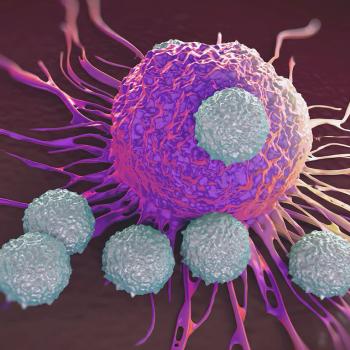
The FDA's removal of REMS for CAR T-cell therapies enhances access for community oncology, paving the way for innovative treatments and improved patient outcomes.

Bariatric surgery reduces the likelihood of obesity-related comorbidities compared with nonsurgical weight loss interventions.
Panelists at the Community Oncology Alliance Payer Exchange Summit discuss the urgent need for innovative reimbursement models in cancer care to match advancements in biomedical technology and drug discovery.

Monthly SC amivantamab plus daily lazertinib demonstrated strong efficacy and tolerability in EGFR-mutated advanced NSCLC, providing a convenient alternative to IV dosing.

Extended hospital stays among Medicare Advantage beneficiaries translated to an estimated 1.8 million additional hospital bed days in 2022.

A study finds stronger CV protection from glucagon-like peptide 1 receptor agonists (GLP-1 RAs) in patients with higher BMI, with kidney benefits consistent across all groups.
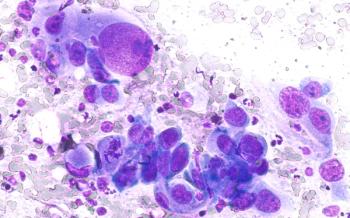
Central nervous system (CNS) metastases in EGFR-mutant non–small cell lung cancer (NSCLC) remain a major challenge, with emerging therapies and evolving trial designs aiming to improve outcomes and address unmet needs.

Reducing the deferral period from 12 months to 3 months for those with high-risk behaviors did not increase the incidence of infectious diseases like HIV and hepatitis B appearing in donated blood.

Cemiplimab shows significant survival benefits over chemotherapy for advanced non–small cell lung cancer (NSCLC) with high PD-L1 expression, enhancing treatment outcomes.

Navigating treatment for multiple sclerosis and comorbid inflammatory diseases presents unique challenges, requiring careful, interdisciplinary strategies for optimal patient care.

While body mass index (BMI) accurately identified excess adiposity in nearly all children and adolescents with obesity, it failed to detect many of those without obesity who still had excess body fat.
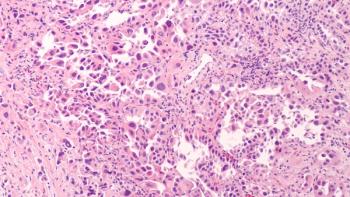
Uncommon EGFR mutations in non–small cell lung cancer (NSCLC) remain challenging to treat, but new tyrosine kinase inhibitors, bispecific antibodies, and a proposed “PACCage insert” framework provide opportunities to advance precision therapy.

A study reveals high drug survival rates for anti-TNF biosimilars in treating psoriasis and psoriatic arthritis, highlighting their long-term efficacy and safety.

Treatment of EGFR-mutated non–small cell lung cancer (NSCLC) is shifting toward next-generation sequencing and combination regimens that improve survival but increase toxicity, requiring individualized care.

Antibody-drug conjugates are rapidly reshaping the treatment landscape of non–small cell lung cancer (NSCLC), with advances in design, clinical efficacy, and regulatory approvals tempered by ongoing challenges in toxicity, resistance, and biomarker optimization.
Bispecific antibodies are emerging as a transformative class in advanced non–small cell lung cancer (NSCLC), with agents such as amivantamab and zenocutuzumab already demonstrating clinical benefit and a broad pipeline of investigational therapies showing promise in overcoming resistance.

National Comprehensive Cancer Network (NCCN), the European Society for Medical Oncology (ESMO), and the American College of Chest Physicians (CHEST) offer complementary yet distinct frameworks for lung cancer care, reflecting differences in evidence evaluation, regional adaptation, and policy integration.

Discontinuing dupilumab for atopic dermatitis (AD) may increase relapse risk, which requires ongoing management and tailored treatment strategies to manage that risk.

The treatment also showed signs of metabolic gains, with more benefit seen with the 50-mg dose than the 28-mg.

Maintaining eye health through regulating use of technology and attending annual checkups are an important aspect of children’s health as the school year approaches.

Medicaid cuts could be devastating to areas where health care deserts are prevalent, especially in children, making it vital that legislators understand the potential gap in care to help close it.

The findings add confidence to the role of ritlecitinib as a treatment option for severe alopecia areata while pointing the way toward more personalized approaches.

Coverage of our peer-reviewed research and news reporting in the health care and mainstream press.

Research highlights a strong link between Epstein-Barr virus and multiple sclerosis (MS), suggesting new therapeutic strategies targeting the virus for MS treatment.
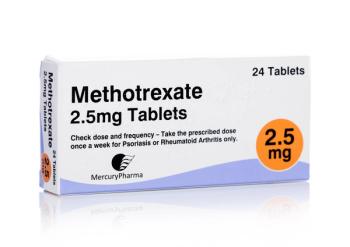
Methotrexate significantly lowered systolic blood pressure compared with sulfasalazine in adults with newly diagnosed rheumatoid arthritis, suggesting potential cardiovascular benefits beyond its anti-inflammatory effects.

A study finds that $100 rideshare rides for follow-up colonoscopy after fecal immunochemical test (FIT) doubled completion rates, reduced colorectal cancer (CRC) deaths, and lowered health care costs.

259 Prospect Plains Rd, Bldg H
Cranbury, NJ 08512
© 2025 MJH Life Sciences®
All rights reserved.