

High body mass index affects outcomes in acute lymphoblastic leukemia (ALL), highlighting the need for targeted interventions to improve patient survival rates and treatment efficacy.
High body mass index affects outcomes in acute lymphoblastic leukemia (ALL), highlighting the need for targeted interventions to improve patient survival rates and treatment efficacy.

A teledermatology program in Georgia helped identify patients with skin lesions that warranted in-person follow-up with a physician.

Knowledge gaps, financial burdens, and skepticism hinder Hispanic men’s participation in the National Diabetes Prevention Program, a study finds.

Remote care reduced readmissions and improved functional outcomes in COPD in a recent study.

A new consensus from the National Psoriasis Foundation outlines a clear benchmark for remission to improve treatment decisions and patient outcomes.

Shorter venetoclax durations in patients with acute myeloid leukemia (AML) and myelodysplastic syndromes (MDS) yielded comparable survival outcomes in a new study, challenging treatment norms.

The recent approval of lenacapavir could change the way that clinicians approach both treating and preventing HIV in those at risk, as long as the treatment can get into their hands.

The FDA approval marks the first approval of a type of pre-exposure prophylaxis that would only require 2 treatments per year.

This study highlights the vital role of caregivers in supporting women living with pulmonary arterial hypertension (PAH) and underscores the need to enhance caregiver support and address unmet needs to improve patient outcomes.

The recent approval of garadacimab can help to treat patients with hereditary angioedema (HAE) along with sebetralstat, which is awaiting FDA approval, explains Timothy Craig, DO, Penn State Health.

Early circulating tumor DNA (ctDNA) changes predict survival in mismatch repair or microsatellite instability–high (dMMR/MSI-H) metastatic colorectal cancer (mCRC) treated with immune checkpoint inhibitors (ICIs).

Patients with type 2 diabetes had a lower risk of glaucoma when they used glucagon-like peptide 1 (GLP-1) receptor agonists across multiple studies.

This study reveals that dupilumab is associated with a modestly increased risk of developing psoriasis, highlighting the importance of monitoring skin reactions during therapy.

CEPHEUS trial lead investigator Saad Z. Usmani, MD, MBA, FACP, FASCO, explains how the trial both builds on current knowledge of newly diagnosed multiple myeloma and how transplant-ineligible status may affect therapeutic decision-making.

The country has seen historic reductions in uninsured rates and improvements in affordability since the implementation of the Affordable Care Act, the Commonwealth Fund scorecard shows.

The Choose Medicare Act would establish a Medicare Part E that would give employers and the general public the ability to opt into the program.

Topical ruxolitinib cream shows promise as a treatment for inflammatory skin conditions, but lacks consistent data, indicating a need for further research into its use across various dermatologic conditions.
With the approval of the FDA, garadacimab can help patients with hereditary angioedema (HAE) prevent attacks by shutting down the contact pathway.

Engaged hospital leadership enhances the adoption of health-related social needs initiatives, driving progress toward health equity and improved patient care, according to a new study.

A quick roundup episode of major news and health policy developments from The American Journal of Managed Care.

Garadacimab-gxii is the first and only treatment that targets factor XIIa (FXIIa) for the prophylactic prevention of hereditary angioedema (HAE) attacks in patients 12 years and older.

Learning the best type of HIV prevention for those at highest risk can start with conversations about their options, writes Zandraetta Tims-Cook, MD, MPH, AAHIVS

Noah Greenspan, DPT, PT, CCS, EMT-B, cardiopulmonary physical therapist and director of the Pulmonary Wellness and Rehabilitation Center in New York City, reflects on how the reality of COVID-19 infection proved far more complex than initially thought.

As clinician shortages grow, hospitals turn to artificial intelligence (AI) and scheduling tools to optimize resources, reduce burnout, and expand patient access—especially in rural communities.

Pediatric patients with hidradenitis suppurativa have a significantly increased prevalence of chronic medical and psychiatric comorbidities, highlighting the critical need for comprehensive screening and multidisciplinary care.
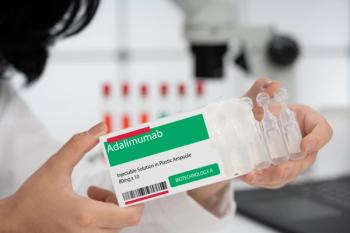
Target trial emulation study finds no added effectiveness or persistence with combination therapy for plaque psoriasis.

Explore how health equity and policy shape outcomes, revealing disparities in kidney disease, atopic dermatitis, and cancer care for vulnerable populations.

A prior settlement of $6 billion was rejected because it would have shielded the Sackler family from lawsuits even from parties who were not part of the agreement.

New data shows that barzolvolimab offers sustained complete responses and significantly improved quality of life for patients with chronic spontaneous urticaria, with a favorable safety profile.

Sessions and posters at the 2025 European Hematology Association Congress evaluated the potential and real-world practices of using artificial intelligence (AI) to predict and improve outcomes for patients with hematological diseases.

259 Prospect Plains Rd, Bldg H
Cranbury, NJ 08512
© 2025 MJH Life Sciences®
All rights reserved.