

Investigators say adding RNA interference (RNAi) therapy to current treatment modalities may improve outcomes in patients with acute myeloid leukemia (AML) with internal tandem duplication in the fms-like tyrosine kinase 3 (FLT3) gene.
Investigators say adding RNA interference (RNAi) therapy to current treatment modalities may improve outcomes in patients with acute myeloid leukemia (AML) with internal tandem duplication in the fms-like tyrosine kinase 3 (FLT3) gene.
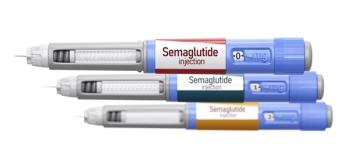
Experts reevaluate coverage policies and the financial impact of antiobesity medications based on updated clinical data and key utilization trends.

At CHEST 2024, Cesar Davila-Chapa, MD, University of Nebraska Medical Center, brings awareness to the racial disparities demonstrated in his investigation of idiopathic pulmonary fibrosis (IPF) hospitalizations and outcomes.

The progress made to mitigate the opioid use crisis still pales in comparison with the crucial effort needed to address it, especially in regard to accessing medication.

The phase 2 PICCOLO trial demonstrated that mirvetuximab soravtansine (Elahere; AbbVie) is effective and tolerable in heavily pre-treated patients with folate receptor alpha-positive (FRα+), platinum-sensitive ovarian cancer.

Adalimumab biosimilar market shares have steadily increased, but challenges remain due to pricing strategies and limited government support, according to the Samsung Bioepis report.

Two posters at the CHEST 2024 annual meeting revealed that 18% of eligible patients hospitalized with acute exacerbations of chronic obstructive pulmonary disease (AECOPD) participated in post-discharge pulmonary rehabilitation (PR), with ineligibility significantly limiting uptake.

Women are still being excluded from cardiovascular research trials, and it has a lasting impact on heart disease treatment for women today.

Full-time caregivers to loved one's with Alzheimer disease or other dementias could earn over $100,000 annually if they were compensated for their time and responsibilities.

Early data from the CDC demonstrates a slight decrease in drug fatalities in children compared with 2022.

Financial toxicity and patient and staff wellness were well explored at the Association of Cancer Care Centers (ACCC) 41st National Oncology Conference, serving as the focal point of multiple posters and presentations.

Patients living with HIV in Barcelona, Spain have seen a decrease in mortality of patients in critically ill condition admitted to the intensive care unit (ICU).

One of the key highlights was the discussion of Pulmonary Embolism Response Teams (PERT), addressing controversies in PE management and focusing on personalized, patient-centered care.

Two posters presented at CHEST 2024 revealed significant racial and ethnic disparities in the hospitalization and treatment of patients with idiopathic pulmonary fibrosis (IPF), with Black patients hospitalized at younger ages but less likely to receive antifibrotic medications than White patients.

Mortality outcomes were analyzed for the COVID-19 public health emergency period, from March 2020 through May 2023, to see if there were any apparent differences according to race or ethnicity.

Alopecia areata is linked to specific trace elements, serum metabolites, and inflammatory factors, according to a genetic analysis, suggesting potential new treatment and prevention strategies.

Individuals with self-reported moderate to severe psoriatic arthritis (PsA) face a higher disease burden, particularly among Black participants, highlighting the need for a better understanding of the interplay between PsA severity and racial and ethnic disparities.

Posters presented at the CHEST 2024 annual meeting demonstrated air pollution's role in lung impairment and disease, highlighting the urgent need for providers to address the escalating impacts of climate change on lung health.

Despite the incidence of retinoblastoma remaining consistent throughout Europe, different countries had differing rates of survival.

Lecanemab (Leqembi; Eisai/Biogen) received traditional approval from the FDA in July 2023, following an accelerated approval in January 2023, to treat adult patients who have Alzheimer disease.

During CHEST 2024, Maxine Dexter, MD, Kaiser Permanente, discussed her belief in the vital role of physicians in public health advocacy, drawing from her legislative work on issues as a former Oregon State Representative.

Imuldosa (ustekinumab-srlf) is the fifth ustekinumab biosimilar referencing Stelara to receive regulatory approval in the US.

Outcomes of interest in this study were time from diagnosis to initial prescription fill for an oral multiple myeloma (MM) medication and time from initial diagnosis to receipt of any treatment for MM.

An integrated, rule-based informatics system demonstrated its capacity to leverage electronic health records to streamline the prior authorization process and promote the use of biosimilars.

Patients with endocrine-resistant, HER2-negative, locally advanced or metastatic breast cancer can use the treatment after recurrence or completing adjuvant endocrine therapy.

The study is among the first to look at the potential impacts of clonal dynamics on patients with lower-risk myelodysplastic syndromes (MDS).

Coverage of our peer-reviewed research and news reporting in the health care and mainstream press.

Here are 5 key points for pre–breast screening preparation that cover the areas of risk assessment, lifestyle adjustments, understanding screening details, managing anxiety, and open provider communication.

UMass Memorial Health–Harrington Hospital reduced 30-day readmissions for congestive heart failure by 50% using artificial intelligence and remote care teams.

CMS released a preliminary list of 101 generic drugs for its Medicare $2 Drug List Model, which aims to cap out-of-pocket costs at $2 per month for select medications.