

In less than a month, from August 20 to September 19, amivantamab (Ami; Rybrevant, Johnson & Johnson) received 2 approvals from the FDA for use in non–small cell lung cancer (NSCLC).
In less than a month, from August 20 to September 19, amivantamab (Ami; Rybrevant, Johnson & Johnson) received 2 approvals from the FDA for use in non–small cell lung cancer (NSCLC).

A French study found that follitropin alfa, a biosimilar fertility drug, is more cost-effective compared with its originator, leading to potential savings for both patients and the health care system.

Average Medicare drug premiums for older Americans will drop next year for those enrolled in traditional Medicare plans or who have coverage through Medicare Advantage, with opinions divided along party lines on the economic implications.

A study found that opioid use, with or without benzodiazepines, significantly increases long-term mortality risk in patients with chronic obstructive pulmonary disease (COPD) over the age of 60 years.

Survey reveals gaps in vaccination intentions for flu, COVID-19, respiratory syncytial virus, and pneumococcal disease.

Systemic racism, including the practice of redlining, has had an enduring effect on health outcomes in people living with HIV, including time to viral suppression.

Despite reductions in deaths from cancer and cardiovascular diseases, increased mortality from assaults, accidents, and the COVID-19 pandemic has widened disparities in health outcomes for Black individuals.

September marked Ovarian Cancer Awareness Month, highlighting the importance of early detection and the need for equitable treatment access.

September is National Recovery Month, and we are bringing you another limited-edition month-long podcast series with our Strategic Alliance Partner, UPMC Health Plan. In our final episode, we speak with Lyndra Bills, MD, and Shari Hutchison, MS.

Artificial intelligence (AI) could play a pivotal role in health care moving forward.
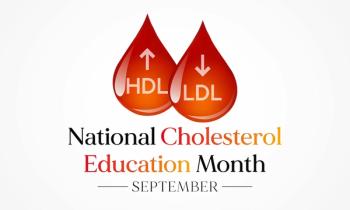
The innovative program from the Family Heart Foundation includes being able to order a free test kit for an at-home blood lipid panel and track your results online, as well as the ability to discuss the findings with care navigators and health care providers.

Finerenone is at least as effective in patients who are in the hospital or were recently hospitalized for heart failure as those with stable condition, said Akshay Desai, MD, of Brigham & Women’s Hospital.

Emotional and social support for patients with retinitis pigmentosa could reduce the incidence of depressive disorder in this demographic.
The Center on Health Equity & Access focuses on addressing disparities in health care access, exploring innovative solutions, policies, and research to improve health equity across diverse populations.

Ziresovir reduces respiratory syncytial virus (RSV) symptoms and viral load in infants, offering hope for an effective treatment.

On September 19, the FDA handed down its third amivantamab (Rybrevant; Johnson & Johnson) approval for 2024 in non–small cell lung cancer (NSCLC), giving the third-generation tyrosine kinase inhibitor its fourth approval overall.

Out-of-pocket costs for biosimilars and generics are still high for patients despite these drugs leading to estimated savings of $445 billion in 2023.

HDP-101, a novel antibody-drug conjugate, targets BCMA with a synthetic amanitin payload that causes tumor cell death.
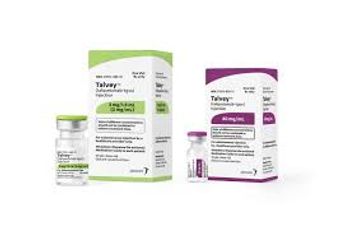
An oral session Friday at the International Myeloma Society 21st Annual Meeting & Exposition offered updates for the TRIMM-2 and RedirecTT-1 trials.

An adult patient with pulmonary arterial hypertension (PAH) and metastatic lung adenocarcinoma showed significant clinical improvement when chemotherapy and immunotherapy were added to PAH triple therapy.

Follow-up in men living with HIV who have sex with men should be performed to assess quality of life due to sexual function.
Formally known as KarXT, xanomeline-trospium chloride (Cobenfy) receives approval from the FDA for the treatment of schizophrenia in adults.

The first-ever Low-Grade Serous Ovarian Cancer (LGSOC) Awareness Day is dedicated to raising awareness, providing resources, and advocating for more research into this rare and recurrent form of ovarian cancer.

The FDA approved dupilumab today as the first biologic treatment for patients with uncontrolled chronic obstructive pulmonary disease (COPD) and an eosinophilic phenotype to significantly help reduce exacerbations and improve lung function.

Coverage of our peer-reviewed research and news reporting in the health care and mainstream press.

Researchers report on the long-term immune changes in patients with refractory or relapsed chronic lymphocytic leukemia (CLL) treated with venetoclax and rituximab plus bendamustine and rituximab.

A study suggests most patients with myasthenia gravis (MG) can take statins without experiencing symptom worsening.

In the phase 2 FORWARD-53 study, the exon-skipping oligonucleotide WVE-N531 showed promising safety and efficacy in boys with Duchenne muscular dystrophy (DMD) who are amenable to exon 53 skipping.

While smoking is a key risk factor for chronic obstructive pulmonary disease (COPD), significant prevalence also exists among nonsmokers, highlighting the need for broader public health strategies.

Popular artificial intelligence (AI) model GPT-4 answered 88% of questions correctly on a standardized patient safety exam.